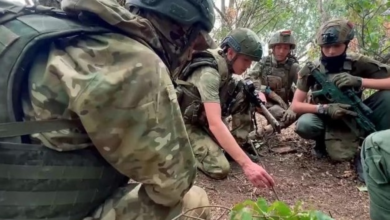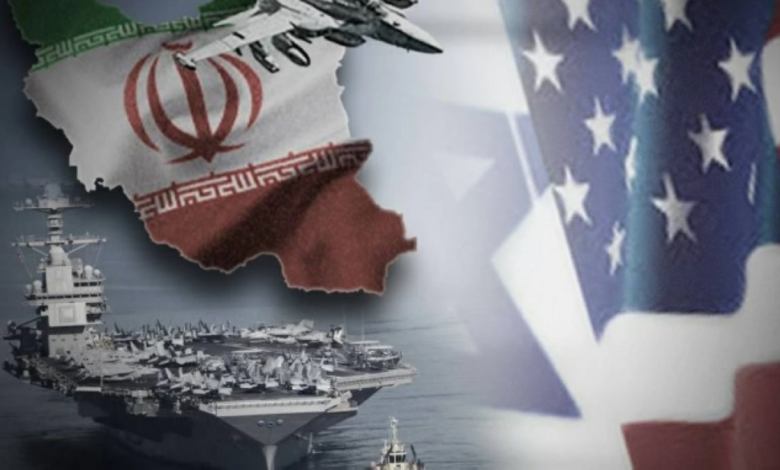

أعلنت القوات المسلحة الإيرانية عن موقفها الحازم تجاه التحركات الأمريكية في مياه الخليج، مهددة برد قوي وحاسم في حال واصلت الولايات المتحدة ما وصفته بـ”الحصار البحري” لموانئها وسفنها. وفي بيان شديد اللهجة، وصفت القيادة المركزية للقوات المسلحة، المعروفة بمقر “خاتم الأنبياء”، الممارسات الأمريكية في المنطقة بأنها ترقى إلى مستوى “السطو والقرصنة”، مؤكدة أن الصبر الاستراتيجي له حدود.
خلفية التوتر وسياق العقوبات
يأتي هذا التصعيد في سياق توتر طويل الأمد بين طهران وواشنطن، والذي تفاقم بشكل كبير بعد انسحاب الولايات المتحدة من الاتفاق النووي (خطة العمل الشاملة المشتركة) في عام 2018. عقب الانسحاب، أعادت الإدارة الأمريكية فرض عقوبات اقتصادية قاسية ضمن حملة “الضغط الأقصى”، التي استهدفت بشكل أساسي قطاع النفط الإيراني، شريان الحياة لاقتصاد البلاد. سعت واشنطن من خلال هذه العقوبات إلى تصفير صادرات النفط الإيرانية، مما أدى إلى مواجهات متكررة في الممرات المائية الحيوية، حيث حاولت القوات الأمريكية اعتراض ناقلات نفط إيرانية أو منعها من الوصول إلى وجهاتها، وهو ما تعتبره إيران حصاراً غير قانوني.
الأهمية الاستراتيجية لمضيق هرمز
تكتسب هذه التهديدات أهمية خاصة بالنظر إلى الموقع الجغرافي لإيران المطل على مضيق هرمز، أحد أهم الممرات المائية في العالم. يمر عبر هذا المضيق ما يقرب من خُمس استهلاك النفط العالمي، وأي اضطراب في حركة الملاحة فيه يمكن أن يؤدي إلى ارتفاع هائل في أسعار الطاقة العالمية وزعزعة استقرار الاقتصاد الدولي. لطالما لوّحت إيران بقدرتها على إغلاق المضيق كورقة ضغط استراتيجية، وهو ما يجعل أي مواجهة عسكرية في هذه المنطقة محفوفة بمخاطر جسيمة لا تقتصر على الطرفين المتحاربين، بل تمتد لتشمل الاقتصادات الكبرى المستوردة للنفط مثل الصين واليابان ودول الاتحاد الأوروبي.
التأثيرات الإقليمية والدولية
على الصعيد الإقليمي، يثير هذا التصعيد قلق دول الجوار في الخليج العربي التي تعتمد اقتصاداتها بشكل كبير على استقرار الملاحة البحرية. كما أنه يضع حلفاء الولايات المتحدة في المنطقة في حالة تأهب، خشية أن تتحول أي شرارة إلى صراع إقليمي واسع النطاق. دولياً، تتابع القوى الكبرى مثل روسيا والصين الموقف عن كثب، وغالباً ما تدعوان إلى ضبط النفس والعودة إلى الدبلوماسية، بينما تحاول الدول الأوروبية الحفاظ على قنوات الحوار مفتوحة مع طهران لتجنب انهيار كامل للاتفاق النووي. وفي خضم هذه التجاذبات العسكرية، تستمر الجهود الدبلوماسية خلف الكواليس، حيث أشارت تقارير إلى زيارة وزير الخارجية الإيراني إلى إسلام آباد، التي قد تكون جزءاً من مساعٍ لإيجاد حلول عبر وسطاء إقليميين لتخفيف حدة التوتر مع واشنطن.