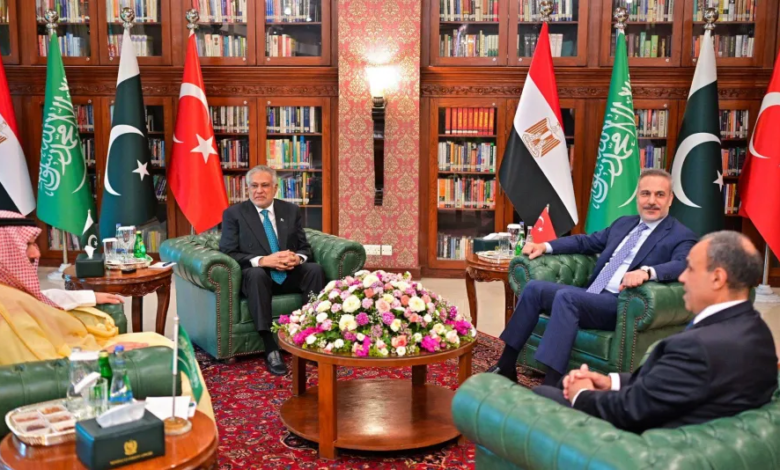

تفاصيل الاجتماع الرباعي في إسلام آباد
تتجه أنظار المجتمع الدولي نحو العاصمة الباكستانية، حيث يُعقد اجتماع رباعي في إسلام آباد لبحث سبل خفض التصعيد الإقليمي ومناقشة الآليات الممكنة لضمان أمن الملاحة وإعادة فتح مضيق هرمز بشكل كامل أمام حركة التجارة العالمية. يأتي هذا التحرك الدبلوماسي في وقت تشهد فيه المنطقة توترات جيوسياسية متصاعدة أثرت بشكل مباشر على حركة الملاحة البحرية وإمدادات الطاقة العالمية. ويهدف هذا الاجتماع إلى إيجاد أرضية مشتركة بين الأطراف المعنية لتجنب أي تصعيد عسكري قد تكون له عواقب وخيمة على الاقتصاد العالمي.
السياق العام والخلفية التاريخية لأزمة مضيق هرمز
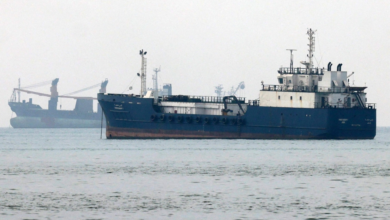
يُعد مضيق هرمز واحداً من أهم الممرات المائية الاستراتيجية في العالم، حيث يربط بين الخليج العربي وخليج عُمان وبحر العرب. تاريخياً، كان هذا المضيق نقطة اشتعال متكررة للتوترات الدولية والإقليمية. يمر عبر مضيق هرمز حوالي خُمس استهلاك العالم من النفط، مما يجعله شرياناً حيوياً للاقتصاد العالمي. على مدار العقود الماضية، شهد المضيق حوادث متعددة شملت احتجاز ناقلات نفط، وتهديدات بإغلاقه، وتوترات عسكرية بين القوى الإقليمية والدولية. هذه الخلفية التاريخية تجعل من أي تهديد للملاحة في هذا الممر أزمة دولية تستدعي تدخلاً دبلوماسياً عاجلاً، وهو ما يفسر أهمية التحركات الحالية لخفض التصعيد.
دور إسلام آباد في الوساطة والدبلوماسية الإقليمية
تلعب باكستان دوراً محورياً في الحفاظ على الاستقرار الإقليمي بفضل موقعها الجيوسياسي الاستراتيجي وعلاقاتها المتوازنة مع مختلف الأطراف الفاعلة في الشرق الأوسط. استضافة اجتماع رباعي في إسلام آباد يعكس رغبة باكستان في لعب دور الوسيط النزيه لتقريب وجهات النظر. لطالما سعت إسلام آباد إلى تجنيب المنطقة ويلات الحروب والنزاعات، مؤكدة على أهمية الحوار الدبلوماسي لحل الأزمات المعقدة، خاصة تلك التي تتعلق بأمن الطاقة والملاحة البحرية التي تؤثر على الدول النامية والمتقدمة على حد سواء.
أهمية الحدث وتأثيره المتوقع محلياً وإقليمياً ودولياً
يحمل هذا الاجتماع الرباعي أهمية بالغة على عدة مستويات. على المستوى الإقليمي، يساهم خفض التصعيد في تعزيز الأمن والاستقرار في منطقة الخليج العربي وجنوب آسيا، ويقلل من احتمالات اندلاع مواجهات عسكرية قد تستنزف موارد دول المنطقة. أما على المستوى الدولي، فإن ضمان بقاء مضيق هرمز مفتوحاً وآمناً يعد أمراً حيوياً لاستقرار أسواق الطاقة العالمية. أي تعطيل لحركة المرور في المضيق يؤدي فوراً إلى ارتفاع حاد في أسعار النفط والغاز، مما يفاقم من معدلات التضخم ويؤثر سلباً على النمو الاقتصادي العالمي. لذلك، تترقب الأسواق العالمية نتائج هذا الاجتماع الدبلوماسي، آملة في التوصل إلى اتفاقيات تضمن حرية الملاحة وتدعم استقرار سلاسل الإمداد العالمية.
في الختام، يمثل الاجتماع الرباعي في إسلام آباد خطوة استباقية ضرورية في مسار الدبلوماسية الدولية. إن تضافر الجهود الإقليمية والدولية لخفض التصعيد وإعادة فتح مضيق هرمز وتأمينه ليس مجرد خيار سياسي، بل هو ضرورة اقتصادية وأمنية ملحة لضمان استقرار النظام العالمي وتدفق موارد الطاقة بسلاسة وأمان.