
اليابان تلجأ إلى احتياطياتها الاستراتيجية
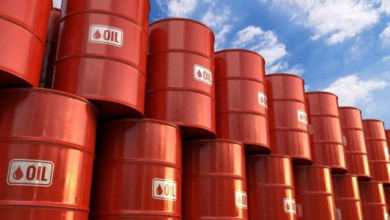
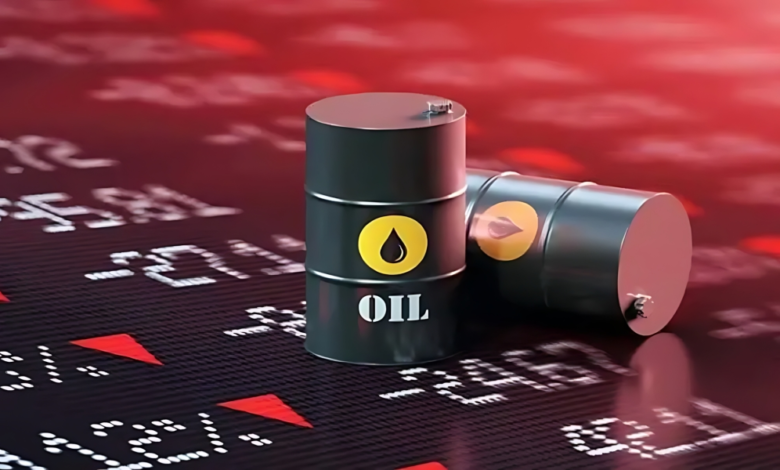
أعلنت الحكومة اليابانية عن خطوة اقتصادية واستراتيجية هامة تتمثل في بدء الضخ من مخزونات النفط اليابانية الاستراتيجية اعتباراً من يوم الخميس المقبل، الموافق 26 مارس. وتأتي هذه الخطوة استكمالاً لجهود سابقة، حيث أجرت طوكيو عملية سحب مماثلة خلال الأسبوع الماضي. وفي هذا السياق، صرحت المسؤولة اليابانية البارزة، ساناى تاكايتشي، عبر حسابها الرسمي على منصة إكس (تويتر سابقاً)، أن الهدف الأساسي من هذا الإجراء هو تأمين الكميات اللازمة من المنتجات النفطية المكررة لتلبية احتياجات السوق المحلي وضمان استقرار الإمدادات.
الخلفية التاريخية لسياسة الطاقة اليابانية
ولفهم أبعاد هذا القرار، يجب النظر إلى السياق العام والخلفية التاريخية لسياسة الطاقة في اليابان. تعتبر اليابان واحدة من أكبر الدول المستهلكة للطاقة في العالم، إلا أنها تفتقر إلى الموارد الطبيعية المحلية، مما يجعلها تعتمد بشكل شبه كلي على الواردات لتلبية احتياجاتها من النفط الخام، حيث تستورد أكثر من 90% من نفطها من منطقة الشرق الأوسط. ونتيجة لأزمات النفط العالمية في سبعينيات القرن الماضي، أدركت طوكيو ضرورة بناء جدار حماية اقتصادي، فأسست نظام الاحتياطي النفطي الاستراتيجي. ويمتلك البلد الآسيوي اليوم واحداً من أكبر احتياطيات النفط في العالم، والذي يكفي لتغطية الاستهلاك المحلي لعدة أشهر في حالات الطوارئ وانقطاع الإمدادات.
التأثير المحلي والاقتصادي
تتجلى أهمية هذا الحدث على الصعيد المحلي في حماية الاقتصاد الياباني من التذبذبات الحادة في أسعار الطاقة. إن اللجوء إلى مخزونات النفط اليابانية يساهم بشكل مباشر في كبح جماح التضخم، وتخفيف العبء المالي عن كاهل المواطنين والشركات الصناعية التي تعتمد بكثافة على الوقود. كما يضمن هذا الإجراء استمرار عمل سلاسل التوريد والإنتاج دون توقف، وهو أمر حيوي لدولة تعتمد على التصدير الصناعي والتكنولوجي.
التداعيات الإقليمية والدولية
أما على الصعيدين الإقليمي والدولي، فإن قرار اليابان بضخ المزيد من النفط في الأسواق يبعث برسائل طمأنة قوية لأسواق الطاقة العالمية. غالباً ما تأتي مثل هذه الخطوات بالتنسيق مع وكالة الطاقة الدولية (IEA) والدول الصناعية الكبرى، بهدف تحقيق التوازن بين العرض والطلب. ويساعد هذا الضخ في تهدئة المخاوف المتعلقة بنقص الإمدادات العالمية، سواء كان ذلك بسبب التوترات الجيوسياسية، أو الكوارث الطبيعية، أو اضطرابات الشحن في الممرات المائية الحيوية.
نظرة مستقبلية لأمن الطاقة
في الختام، يعكس هذا الإجراء التزام اليابان الراسخ بالحفاظ على أمنها الاقتصادي واستقرار أسواق الطاقة. ومع استمرار التحديات العالمية، تواصل طوكيو العمل على استراتيجيات طويلة الأمد لا تقتصر فقط على استخدام مخزونات النفط اليابانية عند الضرورة، بل تشمل أيضاً تسريع وتيرة التحول نحو مصادر الطاقة المتجددة، وإعادة تشغيل بعض المفاعلات النووية وفق معايير سلامة صارمة، لتقليل الاعتماد المفرط على الوقود الأحفوري المستورد في المستقبل.