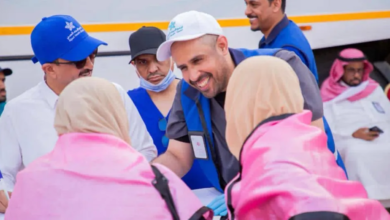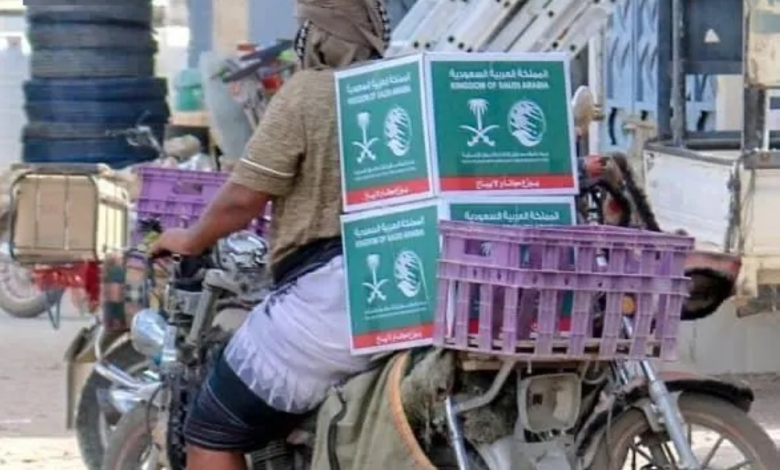

As part of its ongoing humanitarian efforts to support the brotherly Yemeni people, the King Salman Humanitarian Aid and Relief Center distributed 3,580 food baskets in Shabwa Governorate, Yemen. This aid benefited 25,060 individuals from the most vulnerable families in the districts of Bayhan, Usaylan, Ayn, and Markha As-Sufla, as part of the second phase of the Emergency Food Intervention Project in Yemen.
The general context of the humanitarian crisis in Yemen
This aid comes amid one of the world’s worst humanitarian crises, which has plagued Yemen for years. The ongoing conflict has drastically worsened living conditions, displacing millions and severely exacerbating food insecurity. According to UN reports, the majority of Yemen’s population requires some form of humanitarian assistance to survive. In this context, aid provided by organizations like the King Salman Humanitarian Aid and Relief Centre plays a vital role in bridging the food gap and meeting the basic needs of the affected population.
The role of the Kingdom of Saudi Arabia in relief efforts
These efforts are an extension of the humanitarian role played by the Kingdom of Saudi Arabia, represented by its humanitarian arm, the King Salman Humanitarian Aid and Relief Center, which was established in 2015 to unify and organize Saudi relief efforts internationally. Since its inception, the center has implemented hundreds of projects in dozens of countries around the world, with a particular focus on Yemen due to fraternal and geographical ties. These projects aim to alleviate the suffering of the Yemeni people in various sectors, including food, health, water, shelter, and education.
The importance and impact of aid
Locally, these food baskets directly contribute to enhancing food security for beneficiary families in Shabwa, alleviating their economic burden, and ensuring their access to essential food. Regionally, these initiatives underscore the Kingdom's commitment to supporting Yemen's stability and contributing to mitigating the humanitarian crisis. Internationally, these projects reflect the Kingdom's commitment to international humanitarian conventions and its pursuit of the Sustainable Development Goals, particularly the goal of eradicating hunger.
Local praise for Saudi efforts
In this context, the Governor of Shabwa and Head of the Local Council, Awad Mohammed bin Al-Wazir, praised the relief and humanitarian efforts provided by the Kingdom of Saudi Arabia through the King Salman Humanitarian Aid and Relief Center. During his meeting with the Director of the Center's branch in Marib Governorate, Abdulrahman Al-Sayari, he emphasized that these significant efforts have effectively contributed to ensuring the continuity of essential services, supporting development, and alleviating human suffering. The Governor expressed his deep appreciation to the Custodian of the Two Holy Mosques, King Salman bin Abdulaziz Al Saud, and his Crown Prince, affirming that these fraternal gestures embody the depth of the relationship and the spirit of genuine humanitarian solidarity.