
A source at the Saudi Ministry of Energy that a number of vital energy facilities in the Kingdom have recently been subjected to multiple attacks. These attacks targeted critical oil and gas production facilities, pipelines, refineries, as well as petrochemical facilities and the electricity sector in Riyadh, the Eastern Province, and Yanbu Industrial City.
These hostile acts resulted in the martyrdom of one Saudi citizen working in industrial security at the Saudi Energy Company – may God have mercy on him – and injuries to seven other Saudi citizens working for the company. The attacks also caused significant disruptions to several operational processes within key facilities that are part of the national energy system.
Impact of targeting on pipelines and production
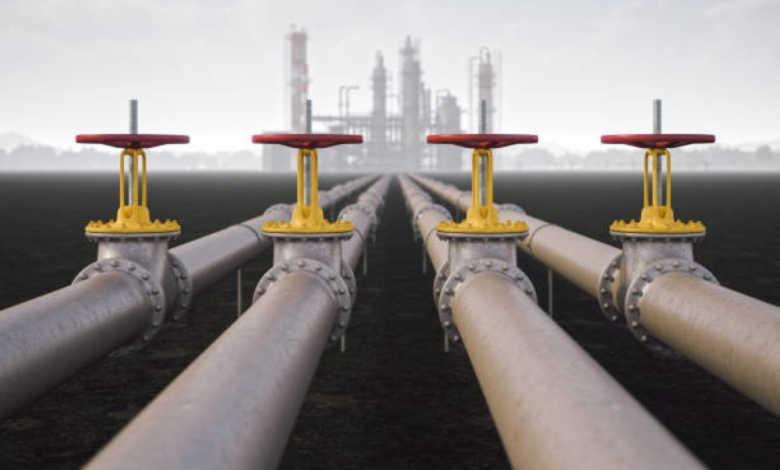
The ministry explained that the attacks targeted a vital pumping station on the East-West pipeline, resulting in the loss of approximately 700,000 barrels per day of the usual flow through this line. The strategic importance of this pipeline (Petroline) lies in its role as the primary and alternative route ensuring the supply of oil to global markets, bypassing maritime tensions in the Strait of Hormuz, thus making it a cornerstone of global energy security.
Decrease in production at the Manifa and Khurais refineries
In a related development, the Manifa oil processing plant was directly targeted, resulting in a reduction of approximately 300,000 barrels per day of its production capacity. This coincided with a previous attack on the Khurais oil processing plant, which also led to a 300,000 barrel per day decrease in production. Consequently, the total reduction in the Kingdom's production capacity due to these attacks reached approximately 600,000 barrels per day, a significant figure with considerable implications for the supply and demand balance.
Official Source at the Ministry of Energy: Operational Activities Halted at Several Energy Facilities in the Kingdom due to Recent Attacks— Ministry of Energy (@MoEnergy_Saudi) April 9, 2026
Targeting major oil refineries and its repercussions
The attacks were not limited to crude oil production facilities but extended to major refining facilities that supply markets with finished products. These included SATORP's facilities in Jubail, the Ras Tanura refinery (one of the world's largest oil export terminals and refineries), the SAMREF refinery in Yanbu, and the Riyadh refinery. This had a direct and immediate impact on the volume of refined product exports to global markets. Additionally, fires at processing facilities in the Ju'aymah area affected the export capacity of liquefied petroleum gas (LPG) and natural gas liquids.
Strategic context and increased volatility in oil markets
These events occur within a historical context that demonstrates the efforts of some actors to destabilize the global economy by targeting the energy sector. Saudi Arabia, as the world's largest oil exporter, plays a pivotal role in market stability. The continued targeting of Saudi energy facilities to severe supply shortages and slows the pace of recovery, negatively impacting the security of supplies for dependent countries and contributing to increased price volatility in global oil markets.
Furthermore, this situation negatively impacts the global economy as a whole, particularly given the current challenges posed by the depletion of a significant portion of operational inventories and strategic emergency reserves in many consuming countries. This depletion of reserves limits the international community's ability to respond quickly and effectively to this sudden supply shortage, necessitating a firm international stance to protect these vital facilities and ensure the stability of energy flows to avoid global inflationary crises.