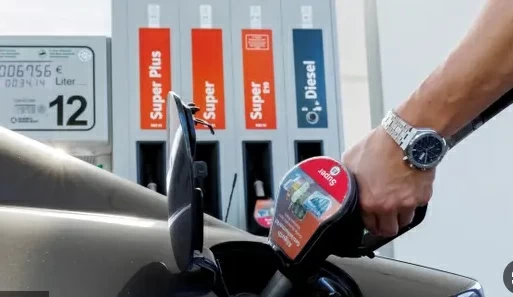

American restaurant chains are facing a significant challenge, having reported lower-than-expected sales growth last quarter, a clear indication that consumers are beginning to cut back on luxuries like dining out. This decline comes amid record-high fuel prices across the United States, which are consuming a large portion of household budgets and forcing families to reassess their financial priorities.
General context: The global energy crisis
The roots of the current fuel price crisis lie in the geopolitical tensions in Eastern Europe, specifically Russia's invasion of Ukraine, which began in late February. This event led to the imposition of broad economic sanctions by the United States and its allies against Russia, one of the world's largest oil and gas exporters. As a result, global energy markets have experienced their worst turmoil in decades, with fears of supply shortages causing crude oil prices to skyrocket, directly impacting gasoline prices at pumps worldwide, including in the United States.
Direct impact on the American consumer
According to data, the average price of a gallon of gasoline in the United States reached $4.43, representing an increase of nearly 40% compared to the same period last year. In states like California, which has the highest number of restaurants in the country, the price per gallon exceeded $6. This additional financial burden means that consumers, especially those with low and middle incomes, are finding themselves forced to cut back on non-essential spending. Dining out is among the first items to be sacrificed in such challenging economic times.
Challenges in the restaurant sector
The impact of rising fuel prices isn't limited to consumer behavior; it extends to the operating costs of restaurants themselves, from food transportation and supply to increased delivery fees. One popular chain specializing in affordable chicken wings reported an 8.7% drop in quarterly sales, citing rising fuel costs as a primary driver of its performance. Financial analysts anticipate similar results from upcoming earnings reports from other restaurant chains, confirming that the entire sector is facing a challenging period that could persist as long as energy prices remain at their current high levels.