The tightening of the US embargo on Iran and its impact on international shipping

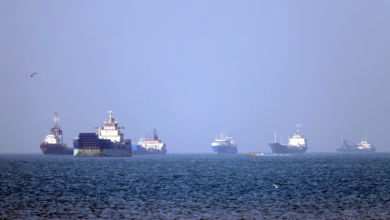
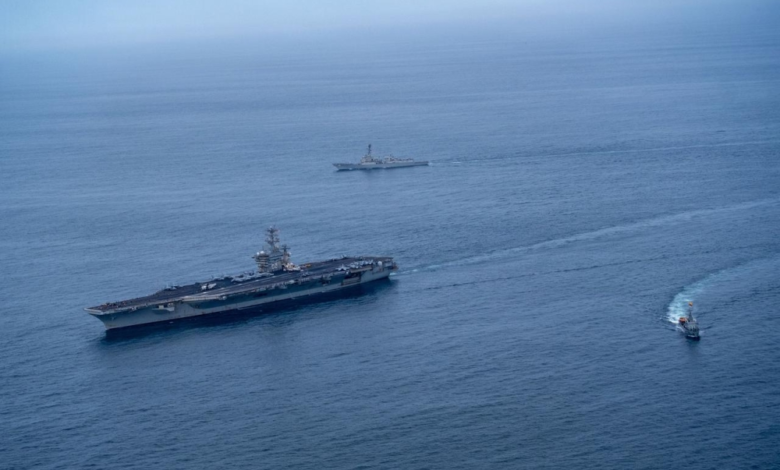
The US Central Command announced that its forces directed 31 commercial vessels to change course or return to their home ports as part of enforcing the tightened naval blockade on Iranian ports. This move represents a significant escalation in the pressure strategy aimed at restricting maritime trade to and from Iran, emphasizing that no vessel will be allowed to violate the imposed sanctions.
Background to the blockade and the maximum pressure policy
The roots of this siege lie in the “maximum pressure” policy adopted by the previous US administration after withdrawing from the nuclear agreement with Iran (the Joint Comprehensive Plan of Action) in 2018. This policy aimed to force Tehran back to the negotiating table to reach a new and more comprehensive agreement that would address not only its nuclear program but also its ballistic missile program and regional influence. Economic sanctions, particularly those targeting the oil and gas sector, the lifeblood of the Iranian economy, formed the cornerstone of this strategy.
Strategic importance and economic impact
The naval blockade is the primary tool for enforcing these sanctions, aiming to bring Iranian oil exports to zero and cut off the regime's main sources of revenue. These measures have had severe economic repercussions for Iran, including the collapse of its currency, soaring inflation, and increased hardship for its citizens. Internationally, these measures have disrupted global energy markets and destabilized oil prices, given the importance of the Persian Gulf and the Strait of Hormuz as vital waterways for global energy shipments.
Regional repercussions and risks of escalation
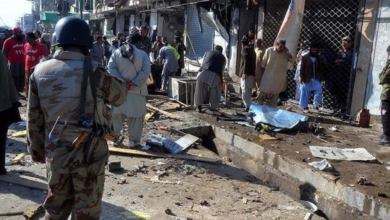
The tightening of the blockade has heightened tensions in the already polarized and conflict-ridden Arabian Gulf region. The area has witnessed serious security incidents in the past, including attacks on oil tankers and vital infrastructure, raising the risk of a direct military confrontation between the United States and Iran and their respective regional allies. The interception of ships, such as the reported seizure of three Iranian oil tankers in Asian waters by Reuters, citing maritime sources, serves as a strong deterrent message, increasing the likelihood of miscalculation and unwanted military escalation.
In this context, statements by then-US President Donald Trump confirmed that the blockade imposed on Iranian ports “terrifies the Iranian regime more than bombing,” indicating that this policy would continue until its objectives were achieved, while leaving the door open for the possibility of reaching a “good deal” with Tehran, which reflects the dual nature of the US strategy that combines military pressure and diplomatic appeals.