
Unprecedented US escalation: Trump vows to destroy Iranian infrastructure
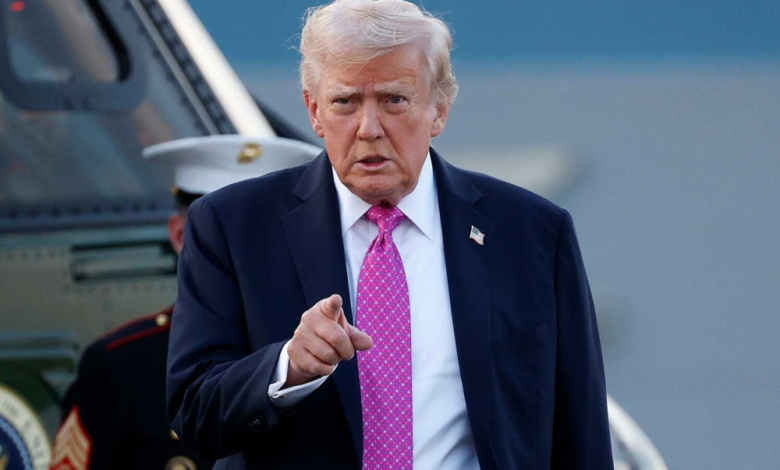
In a dangerous escalation reflecting the heightened military conflict, US President Donald Trump issued strongly worded warnings to the Iranian leadership, asserting that US forces have not yet concluded their military operations. In statements published on his platform, Truth Social, Trump announced that the next targets for the US military would include the country's vital bridge network, followed by power plants, foreshadowing potentially catastrophic consequences for Iranian infrastructure.
Destruction of the strategic Tehran-Karaj bridge
These explicit threats came just hours after Iranian state television confirmed that a major bridge linking the capital, Tehran, to the city of Karaj (west of the capital) had been struck by intense airstrikes carried out in two phases. Trump praised the military operation, stating unequivocally that “Iran’s largest bridge has collapsed and will never be used again.” Karaj holds immense strategic importance as one of Iran’s most significant industrial and economic centers, and severing the supply route between it and the capital would severely disrupt transportation and domestic trade.
The historical context of the conflict and the policy of “maximum pressure”
This military escalation cannot be understood in isolation from the long history of tensions between Washington and Tehran. For decades, relations between the two countries have been characterized by persistent hostility, which reached its peak during Trump’s first term when the United States withdrew from the nuclear agreement and implemented a policy of “maximum pressure” through crippling economic sanctions. Today, this conflict has taken on a direct military form since the outbreak of open confrontations on February 28, when Trump declared that the majority of key military targets in Iran had been damaged or completely destroyed.
The strategic importance of targeting power stations and bridges
The threat to target power plants and bridges has profound military and economic dimensions. Militarily, destroying bridges would impede the movement of Iranian forces and the transport of equipment and weapons between cities and provinces. Economically and in terms of civilian life, striking power plants would plunge entire cities into darkness, disrupt hospitals, factories, and communication networks, thus intensifying internal pressure on the Iranian regime and crippling its ability to manage crises.
Expected regional and international repercussions
Regionally, this level of military escalation raises widespread concerns that the conflict could spread to other countries in the Middle East, potentially threatening maritime security, particularly in the strategic Strait of Hormuz, through which a significant portion of the world's oil supply passes. Internationally, any targeting of energy infrastructure in an oil-rich nation like Iran would have an immediate impact on global energy markets, potentially leading to sharp fluctuations in oil and gas prices and consequently affecting the global economy as a whole.
A political message under fire: a call for negotiation
Despite the ferocity of the military operations, the ultimate goal of the US administration appears to be forcing Tehran to the negotiating table on American terms. Trump delivered a direct message, stating, “The new regime in Iran knows what needs to be done, and it needs to be done quickly!” This is a clear indication of the use of a “coercive deterrence” strategy, employing overwhelming military force to compel the Iranian leadership to reach a comprehensive agreement with Washington—an agreement that would ultimately lead to a ceasefire and an end to the ongoing war.