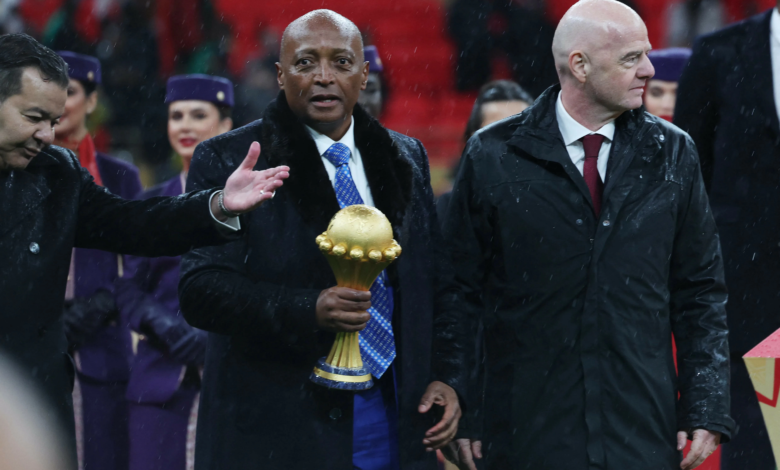

Introduction to the sudden decision
In a surprising and historic move that will reshape the landscape of African football, the president of the Confederation of African Football (CAF), Patrice Motsepe, announced a strategic decision to increase the number of participating teams in the Africa Cup of Nations finals from 24 to 28. This landmark announcement came during a press conference held after a crucial meeting of the CAF Executive Committee, thus opening a new chapter in the history of the continent's premier tournament and aligning with global trends towards expanding participation in major competitions.
The historical context of the development of the Africa Cup of Nations
This expansion wasn't the first in the tournament's long history, which began in 1957 with just three participating teams. The competition has undergone continuous development to keep pace with the growth and evolution of the game on the continent. For a long period, the number of participating teams remained at 16 before CAF made the pivotal decision to increase it to 24, starting with the 2019 edition held in Egypt. This format has remained in place for the last four editions, allowing new teams to emerge on the continental stage. Today, the move to 28 teams confirms the Confederation's ongoing commitment to expansion and development.
The importance of the event and its expected impact on African football
Motsepe considered this move a strong indication of the African Union's relentless pursuit of developing the level of competition on the continent. Regionally and locally, this decision will give new hope to emerging teams that previously struggled to qualify, which will positively impact the development of sports infrastructure in those countries and increase governmental and public interest in football. Internationally, allowing a greater number of African professional players from around the world to participate will increase the marketing and commercial value of the tournament, attract the attention of scouts from international clubs, and enhance the status of African players in the transfer market.
Application challenges and ambiguity surrounding the new system
Despite the significant importance of this decision, the CAF president has yet to reveal the precise details regarding the implementation of the new system or the official deadline for its adoption. The most pressing question among sports analysts remains how the four additional teams will be integrated into the tournament structure, and how the groups and the qualification system for the knockout stages will be determined without compromising the quality of the competition or extending the tournament to a point that burdens the players and their clubs.
The future of the tournament: joint hosting and a radical change in dates
In a related context, regarding CAF's future plans, Motsepe emphasized the federation's commitment to holding the 2027 edition as scheduled, which will be an exceptional event co-hosted by three East African nations: Kenya, Tanzania, and Uganda. He also outlined an ambitious plan that includes an additional edition of the tournament in 2028, after which the competition will revert to a new, different format, being held every four years. This represents a radical change aimed at reducing the pressure on international players and unifying the global football calendar.