
A strategic step to boost the tourism and aviation sectors
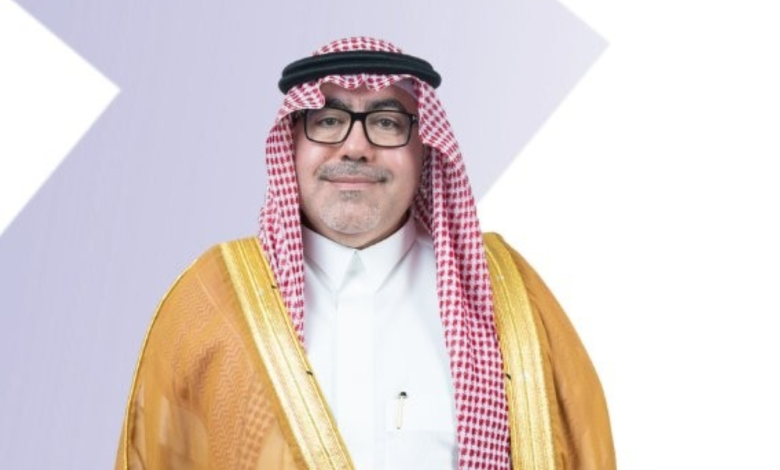
The Saudi Air Connect Program announced the appointment of Mr. Ahmed bin Abdulkarim Al-Ibrahim as its CEO, a strategic move aimed at accelerating the achievement of the Kingdom's objectives in the tourism and aviation sectors. Mr. Al-Ibrahim is scheduled to assume his new role on May 3, 2026, drawing on his extensive experience spanning years in vital fields including tourism, aviation, and commercial affairs.
General context and objectives of the air link program
This appointment comes at a crucial time for the Kingdom, as it strives to achieve the ambitious goals of Saudi Vision 2030, of which the tourism and aviation sectors are key pillars. The Air Connectivity Program was established in 2021 as a central initiative within the tourism and aviation framework, with the primary objective of enhancing air connectivity between the Kingdom and various countries around the world. The program works to develop existing air routes, create new destinations, and facilitate the entry of international airlines into the Saudi market, directly contributing to an increase in the number of tourists and visitors coming to the Kingdom.
Leadership experience to support the next phase
Ahmed Al-Ibrahim possesses a proven track record of leadership experience, having previously served as Vice President of Aviation at the Saudi Tourism Authority. This role provided him with a deep understanding of the demands of the global tourism market and how to align them with the capabilities of the aviation sector. His combined expertise in both sectors makes him the ideal choice to lead the next phase of the air connectivity program, which requires close integration between destination development strategies and the expansion of the airline network.
The importance and expected impact of the appointment
The appointment of Ibrahim is expected to have a significant positive impact at the local, regional, and international levels. Locally, it will accelerate the implementation of the National Aviation Strategy, which aims to reach 330 million passengers annually and connect the Kingdom to more than 250 international destinations by 2030. It will also support the National Tourism Strategy, which targets attracting 150 million tourists annually. Regionally, this move reinforces the Kingdom's position as a leading logistics and aviation hub in the Middle East, enhancing its competitiveness with other regional airports and centers. Internationally, this appointment sends a clear message to investors and global airlines about the Kingdom's commitment to developing its infrastructure and opening its markets, making it a more attractive destination for both tourism and business.