Jesus: Al-Nassr lacks Al-Hilal's influence, and Al-Aqidi is the best Saudi player

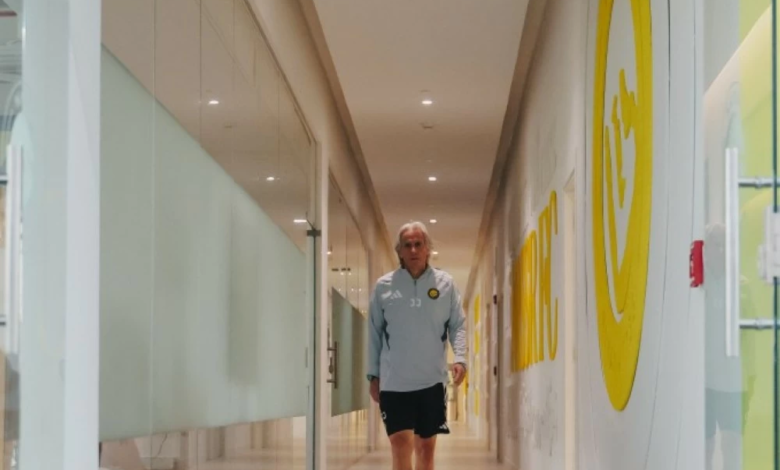
In fiery remarks following the team's recent poor results, Al-Nassr's manager, Jorge Jesus, took full responsibility for losing the top spot in the Saudi Professional League during the pre-match press conference ahead of the highly anticipated derby against Al-Shabab in the sixteenth round. The Portuguese coach refused to blame the negative results on refereeing decisions, despite acknowledging previous controversial incidents, preferring to focus on the team's technical and mental aspects.
The difference in "power and influence" between the two poles of Riyadh
Jesus dropped a bombshell when he compared his team's situation to that of their arch-rivals Al-Hilal, suggesting that Al-Nassr lacks what he termed the "political power" possessed by the latter, a clear reference to the influential influence and massive media machine backing their rivals. He launched a scathing attack on what he called the "parallel media" that fabricates crises to destabilize Al-Nassr, asserting that rival clubs cleverly utilize their media tools both on and off the pitch, placing an added burden on the coaching staff to find technical solutions to counter these psychological pressures.
The context of the competition in the Roshan World League
These statements come at a time when the Saudi Professional League is undergoing a historic transformation and unprecedentedly fierce competition, where even the smallest details, including psychological and media warfare, are playing a decisive role in determining the title race. Matches involving clubs owned by the Public Investment Fund (Al-Nassr, Al-Hilal, Al-Ittihad, and Al-Ahli) have gained global significance, making media pressure an integral part of the game—a point the coach alluded to when he emphasized the need to protect the team from external influences.
The security crisis and the praise for the colonel
On the technical side, Jesus reiterated his complete confidence in young goalkeeper Nawaf Al-Aqidi, describing him as "by far the best Saudi goalkeeper" compared to his rivals, and predicting that he will be the Saudi national team's goalkeeper in the upcoming World Cup finals. The coach explained that the current reliance on Brazilian goalkeeper Pinto was a last resort due to Al-Aqidi's two-match suspension and the injury to backup goalkeeper Raghed Najjar, emphasizing that Al-Aqidi represents a fundamental pillar for the team's future.
Significant absences and preparations for the Youth Summit
The coach did not hide his concern about the impact of the significant absences plaguing Al-Nassr's ranks, pointing out that the absence of Senegalese star Sadio Mane (due to continental competition) and injuries to key defenders and midfielders such as Mohammed Simakan and Ayman Yahya directly contributed to the recent "negative wave." Regarding preparations for the Al-Shabab match, he confirmed that the current focus is on the mental aspect to restore the players' self-confidence, expressing his hope that winger Abdulrahman Ghareeb will be fully fit to provide the necessary technical boost.
A call to the fans before the battle
Jesus concluded his remarks with a direct and heartfelt message to Al-Nassr fans, stating that their presence in the stands is the "real fuel" that will motivate the players to overcome their recent setbacks. He said, "We need the fans' energy in the crucial match against Al-Shabab; negative results can shake confidence, but the fans' support for the team is the only way to remain in contention for the league title.".