Red alert from the Meteorology Department: Heavy rain expected in 5 Saudi regions

The National Center for Meteorology in Saudi Arabia issued a high-level warning, dubbed "Red Alert," on Monday, indicating expected heavy rainfall across large parts of five major regions. This warning comes as the center continues to monitor the weather system affecting parts of the Kingdom, requiring the highest level of caution from citizens and residents.
Alert details and affected areas
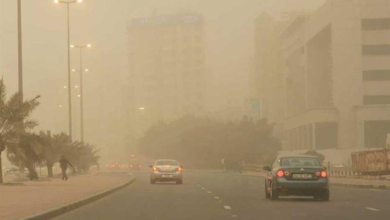
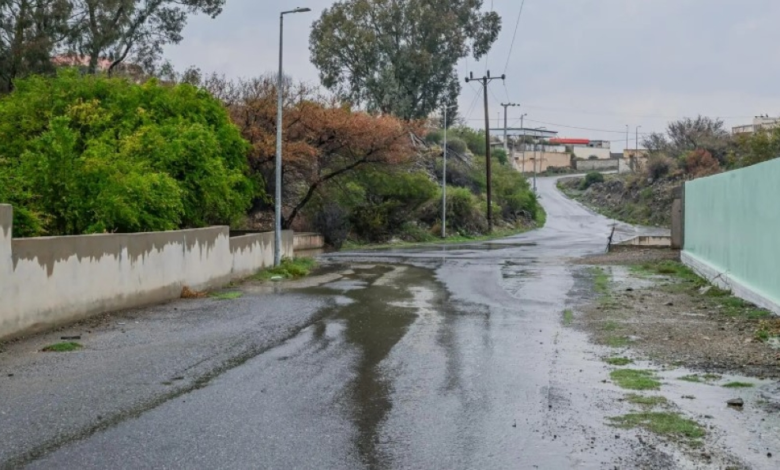
According to the center's report, the weather conditions associated with the red alert include heavy rainfall that could lead to flash floods, as well as high-speed winds, near-zero horizontal visibility, hail, and thunderstorms. The center has precisely identified the affected regions and governorates, which are as follows:
- Eastern Province: Hafr Al-Batin, Al-Khafji, Al-Nairiyah, and Qaryat Al-Ulya.
- Riyadh region: Al-Zulfi, Al-Ghat, Al-Majma’ah, Thadiq, Shaqra, Marat, Al-Dawadmi, and Afif.
- Asir region: Abha, Ahad Rafidah, Khamis Mushait, Al Majardah, and Bariq.
- Al-Jawf region: Al-Qurayyat and Tabarjal.
- Northern Border Region: Tarif.
Climate context and the role of the National Center for Meteorology
This rainfall is part of the weather fluctuations that the Arabian Peninsula experiences during seasonal transitions, which are often characterized by atmospheric instability. The National Center of Meteorology, the official body responsible for weather monitoring in the Kingdom, works around the clock to analyze data and issue necessary alerts through a tiered system of warnings (yellow, orange, and red) to alert relevant authorities and the public. The "red alert" is the highest level and indicates a dangerous weather phenomenon requiring immediate and decisive precautionary measures.
Importance and expected local impacts
This warning is of utmost importance due to the potential impacts on public safety and infrastructure. Relevant authorities, primarily the General Directorate of Civil Defense, are expected to intensify their efforts and deploy field teams to critical locations. The anticipated impacts include:
- The risk of flash floods and floods: The geographical nature of some areas makes them prone to the flow of valleys and the formation of torrents, which poses a risk to lives and property.
- Traffic disruption: Heavy rain and poor visibility may lead to the closure of some main roads and tunnels as a precautionary measure to prevent accidents.
- Impact on services: Some daily services may be affected, and educational authorities may resort to suspending in-person classes in the most affected areas to ensure the safety of students.
Therefore, the authorities urge everyone to stay in safe places, stay away from valleys and flood channels, and follow the latest developments and instructions issued by official bodies through their approved channels.