Trump threatens war with Iran and reveals details of an imminent nuclear deal

Trump warns against military option and reveals outlines of settlement
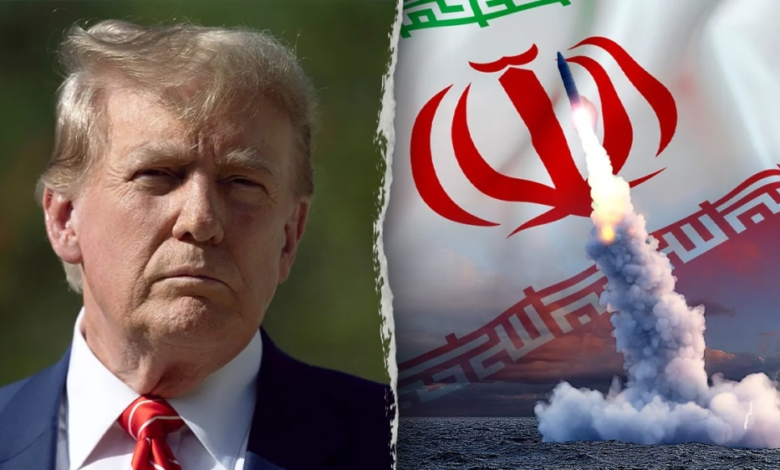
In a significant development in US-Iranian relations, US President Donald Trump revealed crucial details regarding the course of nuclear negotiations, warning of the possibility of renewed military conflict with Tehran should a final and comprehensive agreement not be reached. According to Al Arabiya, Trump asserted that the US administration and Iran are very close to concluding a historic settlement, noting that Tehran has made firm commitments not to pursue or develop any nuclear weapons in the future.
In a move reflecting tangible progress, he noted that the Iranian side had agreed to hand over its current stockpile of enriched uranium, revealing that negotiating teams from both countries would hold crucial meetings within the next two days to finalize the agreement. Trump anticipated that the agreement could be announced within a day or two, asserting that a draft to end the tension and conflict with Iran was largely complete.
Historical context: From withdrawal to return to negotiations
To understand the dimensions of this development, one must consider the complex historical context of relations between Washington and Tehran, particularly concerning the nuclear issue. The roots of the crisis can be traced back to 2018 when the US administration unilaterally withdrew from the Joint Comprehensive Plan of Action (JCPOA), the 2015 nuclear agreement. Following this withdrawal, Washington adopted a “maximum pressure” strategy, which included imposing harsh economic sanctions targeting vital sectors of the Iranian economy. In response, Tehran gradually began to abandon its nuclear commitments and increased uranium enrichment levels to unprecedented levels, raising widespread international concern that it was nearing the brink of nuclear breakout.
Regional implications: Gulf security and the Strait of Hormuz
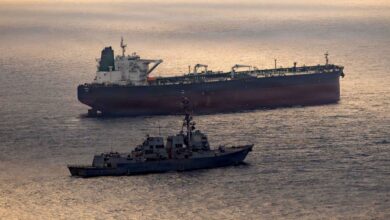
This potential announcement of a new agreement carries significant weight and profound regional implications. In the Middle East, any de-escalation between the United States and Iran is seen as a safeguard against the region's descent into a devastating regional war. The Gulf states are closely monitoring these developments, as any agreement that ensures Iran's denuclearization and reduces tensions will contribute to enhanced maritime security, particularly in the strategic Strait of Hormuz, through which a large portion of the world's energy supplies pass, and will mitigate proxy conflicts in the region.
International impact and the future of nuclear non-proliferation
Internationally, reaching an agreement to end the Iranian crisis represents a victory for global nuclear nonproliferation efforts. Major powers, including European allies, Russia, and China, have long advocated for a diplomatic solution to spare the world further economic and security shocks. The stability of global oil markets is closely linked to the security of the Gulf, and any threat of renewed conflict would unsettle investors and drive up energy prices. Conversely, a successful diplomatic resolution and the surrender of the uranium stockpile would close one of the longest and most complex diplomatic crises of modern times.