
Air alert: Red warning from the National Center for Meteorology
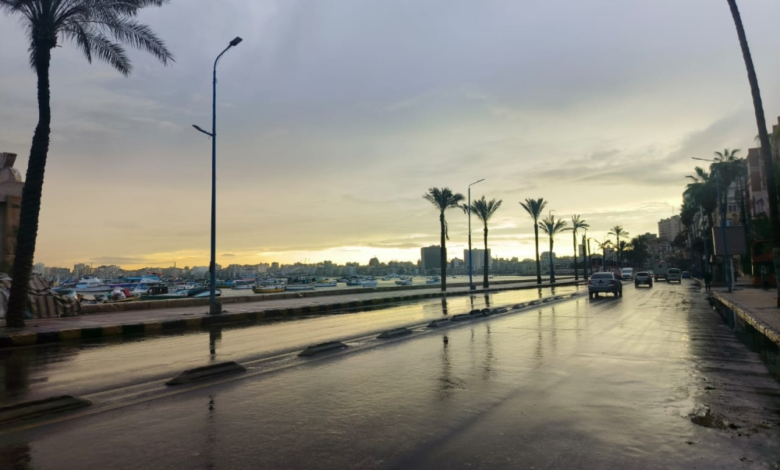
The National Center for Meteorology in Saudi Arabia issued a high-risk warning, classified as a "red alert," regarding the expected weather conditions for Thursday. This warning includes heavy rainfall accompanied by severe weather phenomena affecting large parts of 10 administrative regions in the Kingdom. This alert comes as part of the relevant authorities' commitment to the safety of citizens and residents, and the activation of early warning systems to mitigate potential risks.
Weather phenomena associated with the warning
The meteorological report indicated that these heavy rains will not be limited to rainfall alone, but will be accompanied by a series of severe weather disturbances. These include high-speed winds leading to near-zero horizontal visibility, posing a danger to traffic and highways. Hail showers, strong thunderstorms, and flash floods in valleys and ravines are also expected, necessitating the utmost caution.
Map of the regions and cities covered by the warning
The heavy rainfall is spread over a wide geographical area, including the following regions and cities:
- Eastern Province: Hafr Al-Batin, Al-Khafji, Al-Nairiyah, Qaryat Al-Ulya, Al-Ahsa, Al-Udayd, Buqayq, Jubail, Al-Khobar, Dammam, Dhahran, Qatif, and Ras Tanura.
- Riyadh Region: Al-Zulfi, Al-Ghat, Al-Majma’ah, Shaqra, Al-Rayn, Al-Quway’iyah, Al-Dawadmi, Afif, Al-Hariq, Al-Kharj, Al-Dilam, Al-Muzahmiyah, Hawtat Bani Tamim, Thadiq, Huraymila, Rumah, Dhurma, Marat, Al-Diriyah, and the capital, Riyadh.
- Makkah Region: The Holy Capital, Taif, Al Kamil, Khulais, Al Khurmah, Al Muwaih, Turabah, Ranyah, Al Qunfudhah, Al Muzaylif, Al Shu’aibah, Al Lith, Bahrah, Al Jumum, Rabigh, Adham, Bani Yazid, Jadhm, Maysan, Yalamlam, Al Ardiyat, and Jeddah.
- Madinah region: Al-Hanakiya, Al-Mahd, Wadi Al-Fara’, Al-Ais, Al-Rais, Yanbu, Madinah, and Badr.
- Northern Border Region: Al-Uwaiqilah, Arar, and Rafha.
- Hail region: Al-Shanan, Baqaa, Samira, Al-Hait, Al-Sulaimi, Al-Shamli, Al-Ghazala, Al-Kahfa, Al-Mustajda, Hail, Ghazlana, and Muwaqq.
- Al-Qassim region: Al-Asyah, Al-Badai’, Al-Bukayriyah, Al-Thamiriya, Al-Shamasiya, Al-Ammar, Al-Mudhnib, Buraydah, Unayzah, Uyun Al-Jawa, Abanat, Al-Khabra, Ar-Rass, Al-Fawarah, An-Nabhaniah, Riyadh Al-Khabra, Dhariyah, and Uqlat As-Suqur.
- Al-Baha region: Al-Hajrah, Al-Makhwah, Far’ah Ghamid Al-Zanad, Al-Baha, Al-Aqiq, Al-Qura, Al-Mandaq, Baljurashi, and Bani Hassan.
- Asir region: Al Namas, Balqarn, Tanomah, Al Majardah, Bariq, Rijal Alma, Mahayil, Al Harjah, Al Rabua, Al Farsha, Sarat Abidah, Dhahran Al Janoub, Abha, Ahad Rafidah, and Khamis Mushait.
- Tabuk region: Tayma, Tabuk, Al Wajh, Umluj, Al Bada, Haql, Duba, and Neom Sharma.
Historical context and climate change
Historically, the Arabian Peninsula has been known for its arid desert climate. However, recent years have witnessed a significant shift in climatic patterns, with an increased frequency of extreme rainfall events. This change is attributed to global climate shifts that affect the movement of low-pressure systems and the distribution of moisture in the atmosphere. This development has prompted Saudi Arabia to invest heavily in developing its National Center for Meteorology and Early Warning Systems, positioning it as a regional leader in managing crises and natural disasters.
Expected impact locally and regionally
Locally, this “red alert” triggers a mobilization of all vital sectors. The General Directorate of Civil Defense deploys its field teams, and education departments often suspend in-person classes and switch to remote learning to ensure student safety. From an environmental and economic perspective, these rains, despite their immediate risks, play a strategic role in replenishing groundwater, supporting vegetation cover, and bolstering environmental initiatives like “Green Saudi Arabia.” Regionally, these precise alerts reflect the Kingdom’s ability to monitor complex weather patterns, providing crucial data that neighboring countries utilize in forecasting storms and low-pressure systems.