
تهديد متصاعد في قلب العالم الأخضر
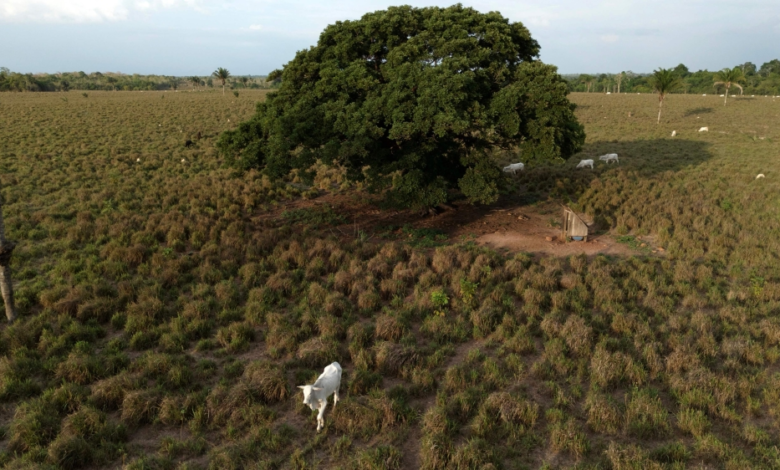
تواجه غابات الأمازون، التي تُعرف بكونها “رئة الأرض” وأكبر غابة استوائية مطيرة في العالم، تهديدًا وجوديًا جديدًا يتجاوز حرائق الغابات وإزالة الأشجار التقليدية. فبحسب تقرير حديث صادر عن منظمة “مجموعة الأزمات الدولية” (International Crisis Group)، تحولت عصابات الجريمة المنظمة إلى المحرك الرئيسي للدمار البيئي والعنف في المنطقة، مما يحول أزمة بيئية إلى قضية أمنية وسياسية معقدة ذات أبعاد عالمية.
السياق التاريخي: من قطع الأشجار إلى شبكات الجريمة العابرة للحدود
تاريخيًا، ارتبط تدهور غابات الأمازون بأنشطة مثل قطع الأشجار غير القانوني، والتوسع الزراعي لتربية الماشية وزراعة فول الصويا. لكن خلال العقود الأخيرة، شهدت المنطقة تحولًا جذريًا. أصبحت المساحات الشاسعة والغابات الكثيفة، التي تعاني من ضعف الرقابة الحكومية، ملاذًا مثاليًا لشبكات الجريمة المنظمة. تستغل هذه العصابات المنطقة لإنشاء طرق جديدة لتهريب المخدرات، خاصة الكوكايين القادم من كولومبيا وبيرو وبوليفيا، بالإضافة إلى التوسع في أنشطة التعدين غير القانوني عن الذهب والمعادن الأخرى. هذه الأنشطة لا تدمر البيئة بشكل مباشر فحسب، بل تؤدي أيضًا إلى إنشاء بنية تحتية إجرامية تشمل مهابط طائرات سرية وطرقًا غير شرعية، مما يزيد من تغلغلها في عمق الغابة.
أبعاد الأزمة الحالية وتأثيرها المدمر
يسلط تقرير “مجموعة الأزمات الدولية” الضوء على أن توغل هذه الجماعات الإجرامية يؤجج العنف ويعرقل بشكل مباشر جهود الحفاظ على البيئة. ونقل التقرير عن الخبير في المنظمة، برام إيبوس، قوله: “أصبحت الجريمة المنظمة إحدى أهم العقبات التي تعترض الجهود المبذولة لوقف التدهور البيئي في الأمازون”. وأضاف أن ما كان يُعتبر في السابق تحديًا بيئيًا بالدرجة الأولى، “تحوّل إلى أزمة سياسية وأمنية”.
واستنادًا إلى بيانات مشروع “Amazon Underworld”، كشف التقرير أن هذه العصابات تمارس أنشطتها في 67% على الأقل من مناطق الأمازون في دول مثل البرازيل، بوليفيا، الإكوادور، بيرو، وفنزويلا. وتتنوع أنشطتها بين تهريب المخدرات، التعدين غير القانوني، الاستيلاء على الأراضي، والاتجار بالأخشاب النادرة والحيوانات البرية.
التأثير المحلي والإقليمي والدولي
على المستوى المحلي، تعتبر مجتمعات السكان الأصليين هي الضحية الأكبر، حيث تتعرض أراضيها للغزو والنهب، ويتعرض أفرادها للعنف والتهجير القسري، مما يهدد ثقافتهم وأسلوب حياتهم المتوارث منذ قرون. أما إقليميًا، فإن نشاط هذه الشبكات العابرة للحدود يزعزع استقرار منطقة حوض الأمازون بأكملها، ويزيد من حدة التوترات الحدودية، ويغذي الفساد داخل المؤسسات الحكومية. دوليًا، يمثل تدمير غابات الأمازون كارثة مناخية عالمية، فالغابة تلعب دورًا حيويًا في امتصاص ثاني أكسيد الكربون وتنظيم المناخ العالمي. إن فقدانها المتسارع يهدد بتفاقم ظاهرة الاحتباس الحراري وفقدان تنوع بيولوجي لا يمكن تعويضه. ولهذا، حثت المنظمة الحكومات على التعاون مع مجتمعات السكان الأصليين لمكافحة الجريمة، كما ناشدت الموردين الدوليين ضمان خلو سلاسل إمداداتهم من المنتجات ذات المصادر الإجرامية القادمة من الأمازون.