
Strategic oil reserves in the European Union
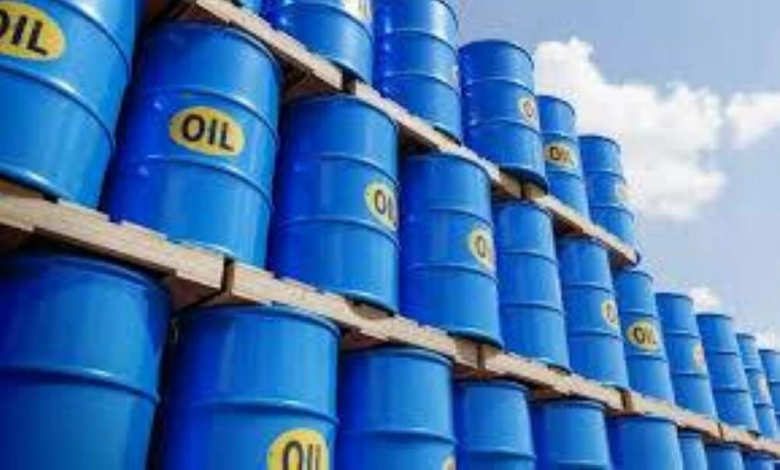
The European Commission recently confirmed that all EU member states possess strategic reserves of crude oil and petroleum products sufficient to cover domestic consumption needs for 85 to 90 days. This confirmation comes at a time of unprecedented and sharp fluctuations in global energy markets, putting European and global energy security at risk amid current tensions.
G7 and IEA moves
In a related development concerning international efforts to contain the crisis, the Financial Times revealed that finance ministers from the G7 countries will discuss today the possibility of jointly releasing quantities of oil from strategic emergency reserves. This move is being undertaken in close coordination with the International Energy Agency. Three key countries within the group, most notably the United States, have expressed strong support for this initiative, which primarily aims to calm panicked markets and curb sharp price fluctuations by injecting additional supplies to stabilize global oil prices.
Historic jump in oil prices
The markets witnessed a terrifying historical surge, with the price of a barrel of oil rising by 30% on Monday, surpassing the $115 mark. This meteoric rise is attributed to escalating geopolitical tensions stemming from the US-Israeli conflict with Iran in the Middle East, coupled with the ongoing blockade of the strategic Strait of Hormuz.
In terms of prices, around 2:30 GMT, West Texas Intermediate crude jumped by 30.04% to reach $118.21 per barrel, while Brent North Sea crude rose by 27.54% to $118.22 per barrel.
Historical context of strategic reserves
To understand the importance of these steps, we must return to the historical context of the International Energy Agency's (IEA) establishment and strategic reserves. Founded in 1974 in the wake of the 1973 oil price shock and embargo, the IEA's aim was to protect consuming nations from supply disruptions. Since then, the agency has required member countries to maintain oil reserves equivalent to 90 days of net imports. Historically, coordinated drawdowns of these reserves have only been undertaken in extreme emergencies, such as the 1991 Gulf War, Hurricane Katrina in 2005, the 2011 Libyan crisis, and, more recently, the 2022 Russia-Ukraine crisis. This historical legacy underscores that strategic reserves are a last resort for ensuring global economic stability.
Expected impact and strategic importance
Internationally, the closure or blockade of the Strait of Hormuz poses a grave threat to the global economy, as approximately 20% of the world's daily oil consumption passes through this narrow waterway. Any disruption to this vital artery would immediately trigger inflationary waves affecting both major and emerging economies. Regionally, such tensions exacerbate uncertainty in the Middle East, while domestically in Western countries, this translates directly into higher fuel prices for consumers, thus increasing transportation and production costs.
Political reactions
Amid global concerns about inflation and its unprecedented impact on American consumers, President Donald Trump responded swiftly via his social media platform, TruthSocial. He stated, "Short-term oil prices, which will quickly fall once the Iranian nuclear threat is eliminated, are a very small price to pay for the security and safety of the United States and the world." This statement reflects a political focus on balancing short-term economic costs with long-term strategic security objectives.