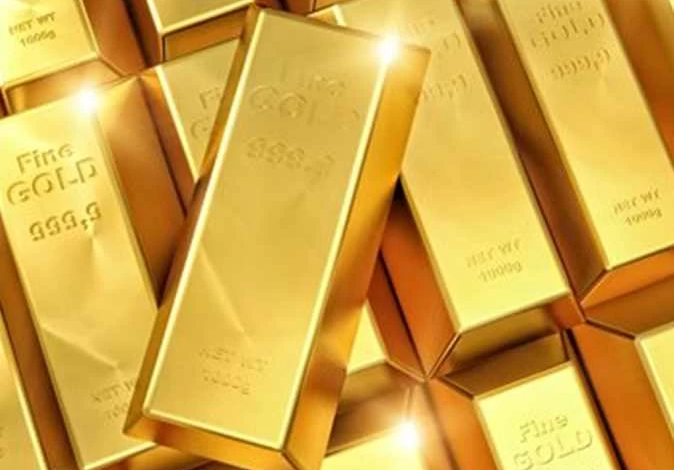

Gold prices fell globally under pressure from the dollar
Global financial markets witnessed significant shifts today, with gold prices falling to their lowest level in nearly a week, dropping 1% to $4,694 per ounce. This notable decline comes amid strong pressure from the rising US dollar index, which has made the precious metal more expensive for investors holding other currencies.
Reasons for the decline in gold prices and the impact of inflation
The decline in gold prices was not accidental, but rather the result of a confluence of several macroeconomic factors. The sharp rise in global energy prices exacerbated concerns about persistently high inflation. This complex economic landscape prompted markets to reassess their expectations regarding the Federal Reserve's monetary policy. As the likelihood of continued high inflation increased, expectations of interest rate cuts by the central bank this year diminished, making bond yields and the dollar more attractive at the expense of gold, which does not offer a fixed return.
Details of precious metal prices today
In trading, spot gold fell 1.1% to $4,694.30 an ounce, its lowest level since April 7. Similarly, U.S. gold futures for June delivery declined 1.4% to settle at $4,717.80.
The decline wasn't limited to gold; it extended to most other precious metals. Silver fell 1.9% in spot trading to $74.45 an ounce. Platinum also dropped 1.3% to $2,019.35. In contrast, palladium bucked the market trend, posting a slight increase of 0.7% to $1,531.50.
The historical context of the relationship between gold and the dollar
Historically, gold and the US dollar have a strong inverse relationship. When the dollar rises, gold tends to fall, and vice versa. Gold is considered a traditional safe haven for investors during times of geopolitical crisis and economic turmoil. However, central bank decisions, particularly those of the US Federal Reserve, play a major role in shaping prices. During periods of monetary tightening and interest rate hikes aimed at controlling inflation, capital flows towards higher-yielding assets, putting downward pressure on precious metal prices and reducing their investment appeal.
Expected impact on local and international markets
This decline in gold prices carries significant implications and has varying effects across different levels. Internationally, this drop reflects the relative strength of the US economy and investors' tendency to avoid the risks associated with precious metals amid high interest rates. Regionally and locally, the decline in gold prices may stimulate consumer demand in retail markets, particularly in Arab countries, which are major consumers of gold jewelry. Local investors may see this decline as a golden opportunity to buy and establish new financial positions in anticipation of any future fluctuations in global markets. At the same time, high energy prices remain a significant challenge, impacting production and shipping costs, which could affect the prices of finished goods in both local and global markets.