The liquidity crisis in Yemen: causes and economic and humanitarian repercussions

The Yemeni economy is suffering from a severe liquidity crisis, one of the most complex challenges facing the war-torn country. This crisis is most evident in the near-constant inability to pay public sector salaries, pushing millions of Yemenis to the brink of economic collapse and exacerbating the world's largest humanitarian crisis.
General context and historical background of the crisis
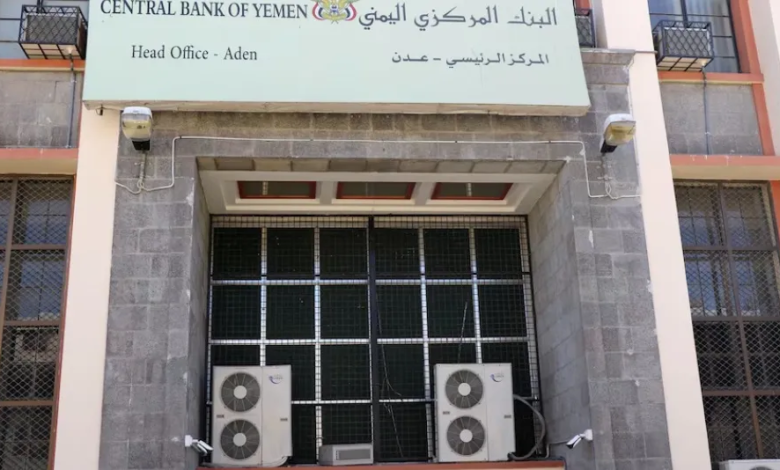
The liquidity crisis was not a sudden occurrence, but rather the cumulative result of years of conflict that began in 2014. The turning point was the split of the Central Bank of Yemen in 2016 into two rival branches: one in the capital, Sana'a, controlled by the Houthis, and the other in the interim capital, Aden, affiliated with the internationally recognized government. This division paralyzed the country's monetary policy and created financial chaos. The government in Aden printed large quantities of new banknotes to address the deficit, while the Sana'a authorities refused to accept these new notes, resulting in two different exchange rates within the country and exacerbating the shortage of older banknotes.
The importance of the event and its expected impact
The repercussions of the liquidity crisis extend far beyond mere salary delays, striking at the very heart of the country's economic cycle. Domestically, approximately 1.25 million government employees rely on these salaries to support their families, which number in the millions. The interruption of these salaries means a dramatic decline in purchasing power, leading to stagnation in local markets and the bankruptcy of thousands of small and medium-sized enterprises that depend on these employees' spending. It also erodes essential services such as education and healthcare, as teachers and doctors are forced to seek alternative sources of income.
At the regional and international levels, Yemen’s economic collapse is exacerbating instability in the region. International humanitarian organizations are finding it increasingly difficult to implement their programs due to restrictions on transferring funds and a shortage of cash needed to distribute aid. The continuation of this situation threatens the complete collapse of the remaining state institutions, pushing more Yemenis into extreme poverty, which could fuel extremism, increase irregular migration flows, and make any future political solution even more difficult and complex.