Machida's coach acknowledges luck, and Conceição says: Al-Ittihad didn't deserve to lose

An introduction to the match and Machida's historic qualification
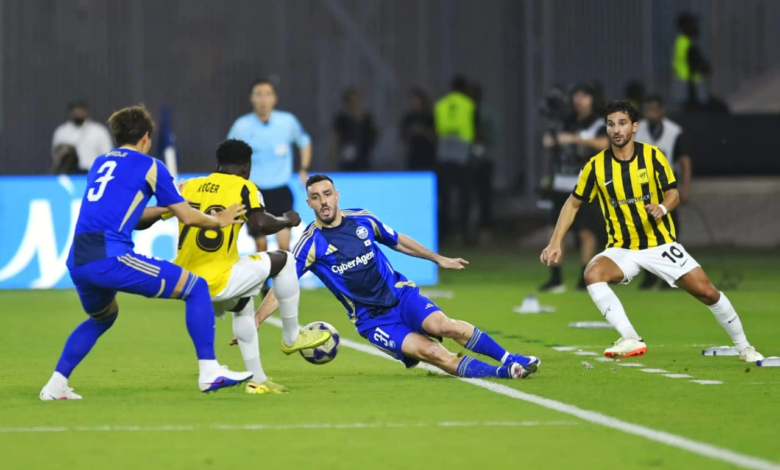
In a thrilling quarter-final clash in the AFC Champions League, Japan's Machida Zelvia secured their place in the semi-finals with a hard-fought 1-0 victory over Saudi Arabia's Al-Ittihad. The epic match, played at the Prince Abdullah Al-Faisal Sports City Stadium in Jeddah, saw contrasting reactions from both managers after the final whistle, reflecting the immense pressure and high expectations placed on both sides.
Go Kuroda's statements: Realism and teamwork
Go Kuroda, the manager of Machida Zelvia, expressed his immense joy at this continental achievement. During the post-match press conference, Kuroda emphasized that facing a team of Al-Ittihad's stature and history on their home ground and in front of their passionate fans was a significant and extremely difficult challenge. He explained that the players' collective performance and tactical discipline were the key factors in securing this thrilling victory.
The Japanese coach didn't hesitate to bravely admit that luck played a role in his team's victory, while emphasizing that football is always based on the principles of winning and losing, and that referees shouldn't be blamed for the results. Kuroda also touched on his unique background, noting that his previous experience in education had significantly contributed to developing his managerial and technical style, which positively impacted the team's organization and the players' continuous efforts since the beginning of the season. He expressed his deep gratitude to the Japanese fans who supported the team, both in the stands and from behind their screens.
Conceição's reaction: Regret over missed opportunities
On the other hand, Al-Ittihad's manager, Conceição, was visibly frustrated, insisting that his team did not deserve to lose or be eliminated from the tournament at this advanced stage. He indicated that he had tried his best to change the course of the match and the score by adjusting the tactical and technical approach to counter the speed of the opposing players and their effective attacking transitions.
Conceição explained that his team showed marked improvement defensively and appeared more dangerous and aggressive offensively after the substitutions he made in the second half. He revealed that his decision to bring on Danilo Pereira in the holding midfield position was aimed at strengthening the balance in the midfield. However, the coach lamented the lack of finishing touch, which prevented them from equalizing despite their repeated attacks on the Japanese team's goal. He concluded by praising the high fighting spirit displayed by Al-Ittihad's players until the final whistle.
Historical context of the AFC Champions League
This match comes as part of the revamped AFC Champions League, launched by the Asian Football Confederation to raise the level of competition and increase revenue. Al-Ittihad of Saudi Arabia boasts a rich history in Asian tournaments, having won the continental title in 2004 and 2005, and was counting on this edition to recapture its former glory. Meanwhile, the rise of Machida Zelvia is an inspiring success story, as the team has rapidly grown into a formidable force.
The importance of the event and its regional and international impact
Al-Ittihad's elimination from the quarterfinals carries significant repercussions for the Saudi Arabian football scene, as the team will now have to focus entirely on domestic competitions to appease its fans. Regionally, this Japanese victory underscores the continued strength of East Asian clubs and their ability to excel under the most challenging circumstances, even when playing away against star-studded West Asian teams. Internationally, this result highlights the ongoing development of the Japanese football system, which consistently produces clubs capable of fierce competition thanks to tactical discipline and strong institutional foundations.