The Minister of Industry will review the latest developments in the "Made in Saudi Arabia" initiative on Wednesday

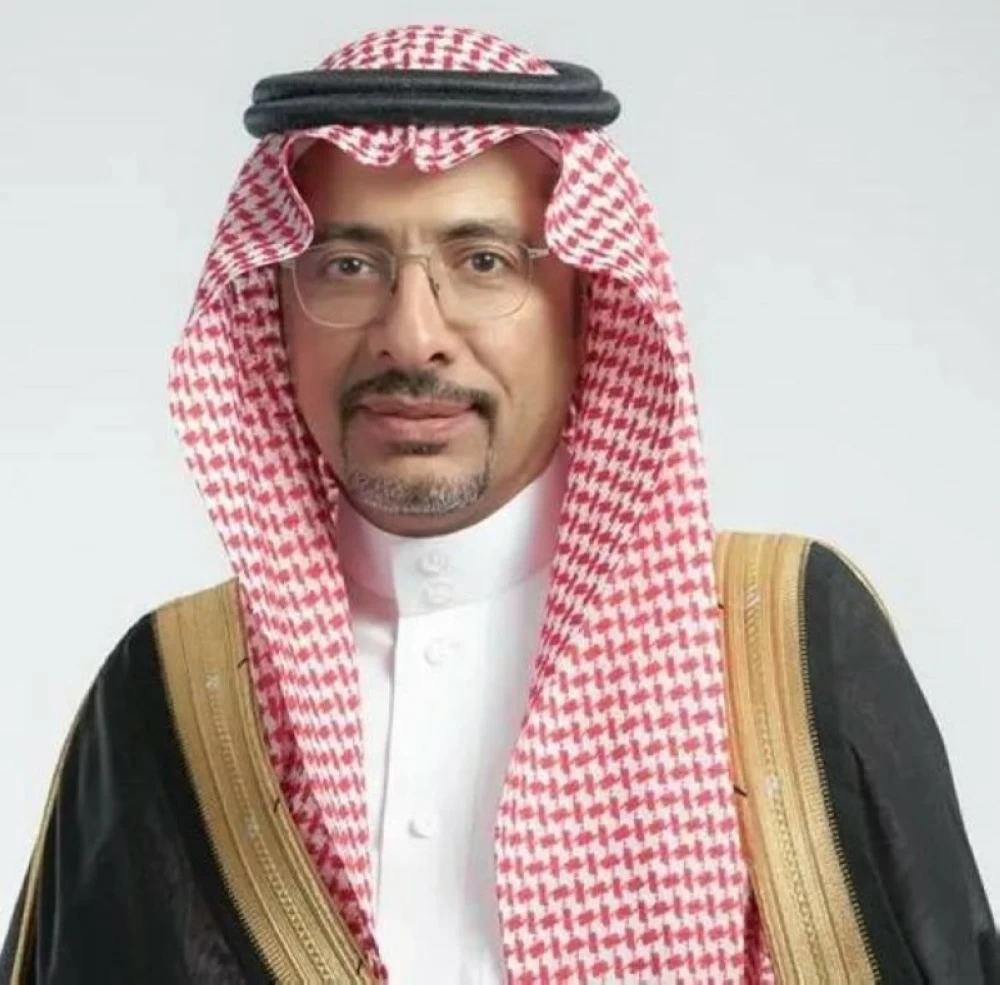
The government press conference will be held the day after tomorrow (Wednesday) corresponding to December 17, 2025, in an anticipated session during which the Minister of Industry and Mineral Resources, Mr. Bandar bin Ibrahim Al-Khorayef, will be hosted to highlight the most prominent qualitative developments in the industrial sector, and to review the achievements made by the “Made in Saudi Arabia” program since its launch.
During the conference, Minister Al-Khorayef is scheduled to discuss the details of the upcoming edition of the “Made in Saudi Arabia 2025” exhibition, explaining its direct impact on empowering national industry, in addition to announcing the country that will be the guest of honor in this edition. The conference will conclude with an open session to answer questions from media professionals and journalists about the future of industry in the Kingdom.
The context of industrial transformation and Vision 2030
This conference comes at a crucial time, as the Saudi economy undergoes profound structural transformations in line with the goals of Vision 2030, which places the industrial and mining sectors at the heart of its strategy to diversify income sources and reduce dependence on oil. The National Industrial Development and Logistics Program (NIDLP), under which the Ministry's initiatives fall, is one of the Vision's most ambitious programs, aiming to transform the Kingdom into a leading industrial power and a global logistics hub.
The statements of the Minister of Industry are of particular importance given the government’s strong focus on localizing promising industries, such as military industries, automobiles, pharmaceuticals, and food, in addition to maximizing the benefit from the mineral wealth that the Kingdom abounds in, which has been estimated to be worth more than 5 trillion riyals, to be the third pillar of Saudi industry alongside oil, gas and petrochemicals.
The importance of the "Made in Saudi Arabia" program
The “Made in Saudi Arabia” program is a national initiative launched by the Saudi Export Development Authority to promote the industrial identity of Saudi products. The importance of discussing the program's achievements lies in its pivotal role in shifting local consumption patterns towards favoring national products, as well as enhancing the position of Saudi exports in global and regional markets. The Minister is expected to reveal new figures related to the growth in the number of companies joining the program and the volume of non-oil exports, which is a key indicator of the success of economic plans.
Expected economic impact
Economic observers view this conference as an opportunity to understand the Ministry's future directions in light of global economic challenges. Empowering the industrial sector contributes to creating thousands of job opportunities for citizens, attracting foreign direct investment, and facilitating the transfer of technology and knowledge. The government press conference also reflects its commitment to transparency and continuous communication, keeping the public and investors informed about the progress of major projects and the completion rates of national initiatives.