Keir Starmer discusses the implications of war in Iran with economic leaders

Urgent British moves to contain the crisis
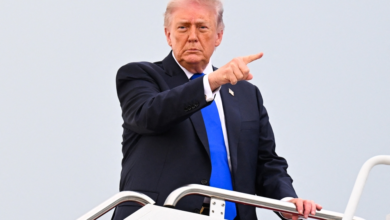
In a move reflecting the government's deep concern over the rapidly evolving situation in the Middle East, British Prime Minister Keir Starmer is holding an emergency meeting today, Monday, with key players in the global and domestic economy. The meeting, taking place at Downing Street, aims to discuss the serious repercussions of a war in Iran and its direct impact on supply chains and energy markets.
The meeting is being attended by prominent figures and representatives from major global companies, including oil giants Shell and BP, as well as leading shipping company Maersk. Leaders from the banking and financial sector are also participating in the discussions, represented by HSBC and Goldman Sachs, along with global insurance company Lloyds of London, reflecting the comprehensive nature of the crisis and its impact on the transport, energy, and financial sectors.
The strategic importance of the Strait of Hormuz and the impact of its closure
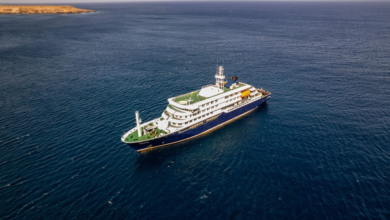
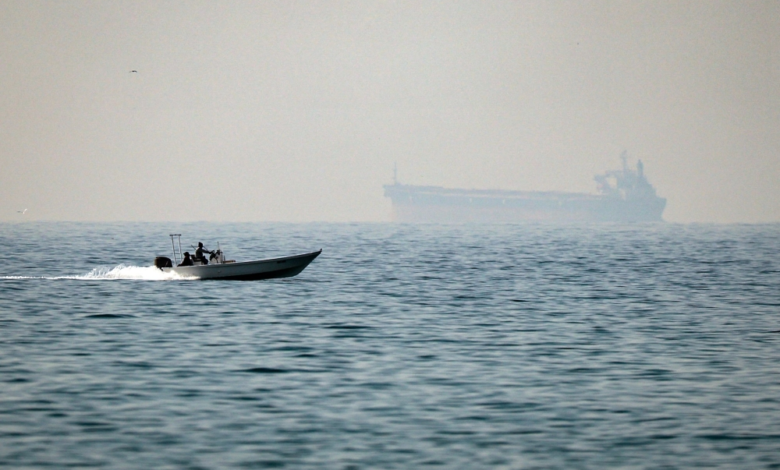
These moves come in response to the new reality on the ground, as Iran has effectively closed the strategic Strait of Hormuz since the start of the military escalation in the Middle East, which included Israeli and American airstrikes targeting Iranian sites on February 28. This closure led to an immediate shock in global markets, resulting in a sharp rise in fuel prices.
Historically and economically, the Strait of Hormuz is the world's most important energy artery, with roughly one-fifth of the world's daily oil production passing through it, in addition to enormous quantities of liquefied natural gas from the Gulf states. Any disruption to this waterway would mean a direct increase in production and shipping costs, which would negatively impact global inflation rates and increase the cost of living for citizens in Britain and Europe.
Britain's military and security position
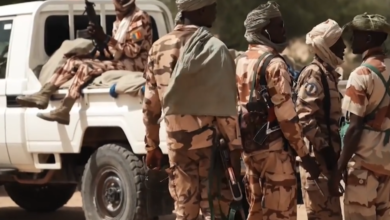
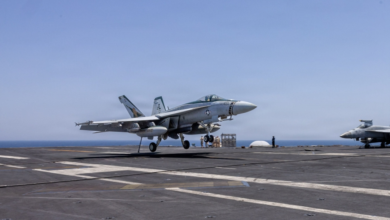
On the security front, Western countries did not stand idly by. Several nations, including France and Britain, deployed naval and air forces to the region to intercept Iranian airstrikes, in an effort to protect international shipping. In a related development, the British government authorized US forces to use its military bases to conduct certain operations against Iran, emphasizing that these operations were purely defensive in nature and not intended to escalate the conflict.
During Monday's meeting, the British naval commander is scheduled to give a detailed and comprehensive presentation on the current maritime security situation in the Strait of Hormuz and the wider Middle East region, to assess the risks facing commercial vessels and develop contingency plans to deal with them.
Domestic political repercussions and challenges for the Labour Party
Domestically, Keir Starmer is seeking to balance a firm foreign policy with easing the economic burden on citizens. He intends to reiterate that the best way to limit the war's impact on the cost of living is through diplomatic and military de-escalation. These statements come at a politically sensitive time, as Starmer, as Labour leader, prepares to launch his party's campaign for the local elections scheduled for May 7.
The Prime Minister faces significant challenges, including a sharp decline in his popularity since taking office in July 2014. In an attempt to reassure the public, Starmer is strongly defending his decision not to involve the UK in any direct offensive operations in a war with Iran. He is expected to deliver a decisive message to voters and partners, according to a Labour Party statement, saying: “We will protect our troops, our people, and our allies in the region,” emphasizing his government’s commitment to defending British interests without being drawn into open warfare.