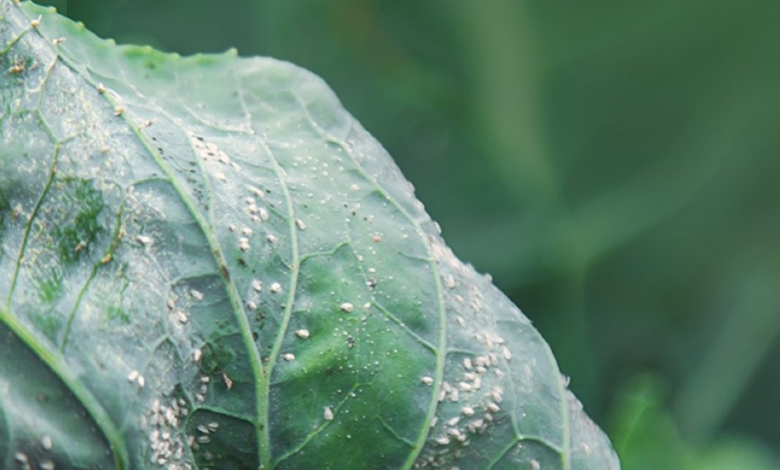
Whitefly control: Prevention recommends yellow traps for sustainable agriculture

Strategic recommendation to boost agricultural production
The National Center for Plant Pest and Animal Disease Prevention and Control (Wiqa’) issued an important recommendation for farmers, emphasizing the effectiveness of using yellow sticky traps as a key tool in integrated pest management programs to reduce the damage caused by whiteflies to crops grown in greenhouses. This recommendation comes as part of the center’s ongoing efforts to promote sound and sustainable agricultural practices, with the aim of improving the quality of local production, ensuring plant health, and achieving food security in the Kingdom.
How it works and the importance of the color yellow
The “Wiqaa” Center explained that yellow sticky traps are waterproof plastic or paper panels painted a bright yellow and coated with a non-toxic, non-drying adhesive. The effectiveness of this technique lies in the natural visual attraction of many flying insects, especially whiteflies, to the yellow color, which they mistake for tender plant leaves. When the insect attempts to land on the panel, it becomes permanently stuck to the adhesive, preventing it from reproducing or damaging plants. This simple mechanism directly contributes to reducing pest populations and significantly limiting their spread within the enclosed environment of greenhouses.
Global context: The whitefly as a devastating agricultural pest
The whitefly, particularly the species *Bemisia tabaci*, is one of the most serious agricultural pests worldwide, attacking hundreds of plant species, including strategic crops such as tomatoes, cucumbers, and cotton. Its damage extends beyond sucking plant sap and weakening the plant; it also secretes honeydew, a substance on which sooty mold fungus grows, hindering photosynthesis. Even more alarming, it is a major vector for over 100 devastating plant viruses, such as tomato yellow leaf curl virus (TYLCV), which can wipe out an entire crop. Historically, the over-reliance on chemical pesticides to control it has led to the emergence of resistant strains, as well as environmental and health damage, making the search for safe and sustainable alternatives, such as sticky traps, vital.
Importance and expected impact on Saudi agriculture
The “Prevention” recommendation is particularly important within the context of Saudi Vision 2030, which aims to achieve self-sufficiency in several crops and enhance food security. Adopting environmentally friendly pest control techniques reduces reliance on chemical pesticides, resulting in safer crops for consumers and boosting the export opportunities for Saudi agricultural products to global markets that impose strict standards for pesticide-free products. Regionally, this practice offers a successful model that can be applied in neighboring countries facing similar agricultural and climatic challenges. It also contributes to maintaining ecological balance by protecting beneficial insects such as bees and other pollinators that can be negatively impacted by the indiscriminate spraying of pesticides.
Guidelines to ensure maximum effectiveness
To achieve optimal results, Waqaa emphasized the importance of following certain best practices when using traps. They should be evenly distributed within the greenhouse to ensure complete coverage of the cultivated area. He also stressed the importance of gradually adjusting the trap height as the plants grow, ensuring they remain close to the growing tips, the primary area of insect activity. The center noted that these traps are not only for pest control but also serve as an effective monitoring and early warning tool, allowing farmers to identify the onset and extent of infestations and take appropriate control measures in a timely manner.