
Introduction: A decisive US move to control energy markets
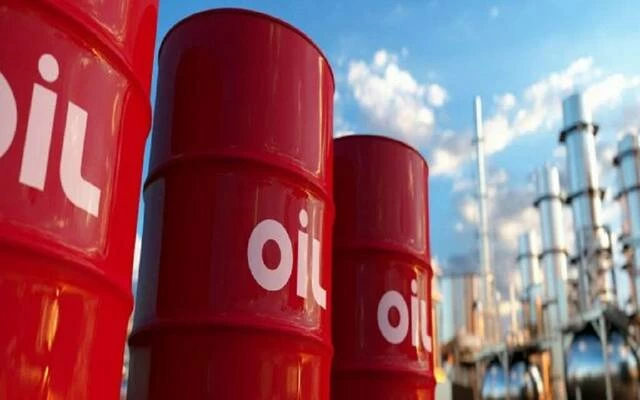
In a significant strategic move, the U.S. Department of Energy announced it has loaned 8.48 million barrels of crude oil from the Strategic Petroleum Reserve to four major oil companies. This action is part of the second phase of the U.S. administration's intensive efforts to curb the sharp rise in fuel prices, a direct result of recent geopolitical tensions and conflicts that have impacted global energy supplies, including disruptions to shipping lanes and production lines.
Historical background of the US Strategic Petroleum Reserve
To understand the significance of this event, one must consider its historical context. The U.S. Strategic Petroleum Reserve in 1975 in response to the oil embargo crisis, with the aim of protecting the U.S. economy from supply shocks. This massive reserve is stored underground in giant salt caverns distributed across four main sites off the coasts of Louisiana and Texas. It serves as a vital tool used by the U.S. government to stabilize markets during emergencies or disasters that disrupt normal production.
Details of payments and oil tenders
In a related development, the U.S. Department of Energy recently offered a third tranche of 30 million barrels of light, low-sulfur crude oil from the West Hackberry Refinery in Louisiana. Earlier this month, the U.S. offered to lend up to 10 million barrels in the second tranche.
The overall U.S. plan aims to release approximately 172 million barrels from the Strategic Petroleum Reserve this year through 2027. Notably, energy companies only tapped into the first tranche last month, taking in 45.2 million barrels, representing just 52% of the total amount offered by the Department of Energy. Bids for the next tranche are scheduled to open next Monday.
The lending mechanism and its economic impact
The Department of Energy employs a smart system in this process, whereby oil is drawn from the Strategic Petroleum Reserve in the form of loans. The companies receiving the oil are obligated to repay these quantities later, along with additional barrels as a premium or interest on the loan. The Department asserts that this innovative system will effectively help stabilize volatile markets "without imposing any additional cost on American taxpayers."
Domestically, this injection helps lower gasoline and diesel prices for the American consumer, thus easing inflation rates that put pressure on the economy and affect citizens' purchasing power.
International alliance and broad global influence
This is not just a unilateral US effort; it is part of a broader international agreement involving 32 member countries of the International Energy Agency. This alliance aims to release approximately 400 million barrels from global strategic reserves.
This coordinated withdrawal aims to control crude oil prices, which have soared to record highs due to wars and unrest. The International Energy Agency has described these tensions as having led to the greatest disruption in the oil market in history. Regionally and internationally, this move sends a reassuring message to global markets that major consuming nations are prepared to intervene decisively to ensure energy security, curbing price speculation and preserving the stability of the global economy in the face of ongoing geopolitical challenges.