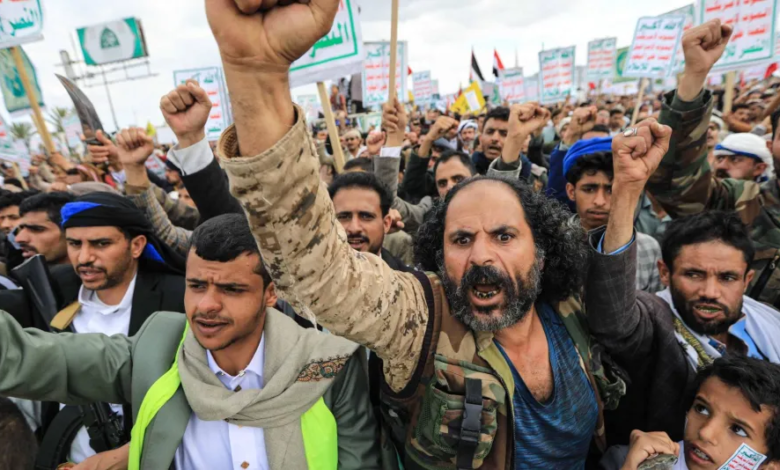

يدفع الاقتصاد اليمني، الذي كان هشاً بالفعل قبل اندلاع الصراع، ثمناً باهظاً للحرب الدائرة منذ سنوات والتي تقودها جماعة الحوثي. لم تقتصر تداعيات الحرب على الخسائر البشرية الهائلة والأزمة الإنسانية التي وصفتها الأمم المتحدة بالأسوأ في العالم، بل امتدت لتحدث انهياراً شبه كامل في مقومات الدولة الاقتصادية، ملقية بملايين اليمنيين في براثن الفقر والجوع.
خلفية الانهيار: من الهشاشة إلى التدمير الممنهج
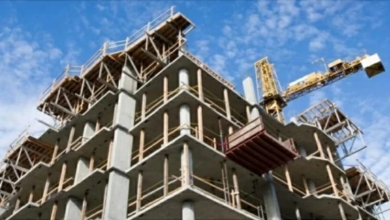
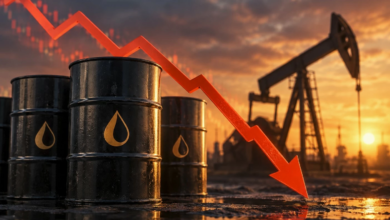
قبل عام 2014، كان اليمن يُصنف ضمن أفقر دول العالم العربي، معتمداً بشكل كبير على عائدات النفط والغاز المحدودة والمساعدات الدولية. ومع سيطرة الحوثيين على العاصمة صنعاء وتصاعد النزاع في عام 2015، بدأت عجلة الاقتصاد في التراجع بشكل متسارع. تعرضت البنية التحتية الحيوية، من موانئ ومطارات ومحطات طاقة وطرق، لدمار واسع، مما شلّ حركة التجارة والإنتاج المحلي. كما أدى توقف صادرات النفط والغاز، التي كانت تشكل أكثر من 70% من إيرادات الدولة، إلى حرمان الخزينة العامة من أهم مواردها.
أبعاد الكارثة الاقتصادية وتأثيرها
تتجلى الكارثة الاقتصادية في عدة جوانب مدمرة، أبرزها الانقسام النقدي والمؤسسي. أدى نقل البنك المركزي من صنعاء إلى عدن إلى وجود بنكين مركزيين متنافسين، مما أفرز سياستين نقديتين مختلفتين وعملتين بقيمتين متفاوتتين. هذا الانقسام تسبب في انهيار تاريخي لقيمة الريال اليمني، وارتفاع معدلات التضخم إلى مستويات قياسية، مما أدى إلى تآكل القوة الشرائية للمواطنين بشكل كارثي. كما توقفت الحكومة عن صرف رواتب مئات الآلاف من موظفي القطاع العام في المناطق الخاضعة لسيطرة الحوثيين، مما فاقم من معاناة ملايين الأسر التي فقدت مصدر دخلها الوحيد.
التأثير الإقليمي والدولي للصراع
لم تعد تداعيات الحرب الاقتصادية محصورة داخل حدود اليمن. ففي الآونة الأخيرة، أدت هجمات الحوثيين على سفن الشحن في البحر الأحمر ومضيق باب المندب، تحت ذريعة دعم غزة، إلى اضطراب خطير في أحد أهم الممرات الملاحية في العالم. هذه الهجمات أجبرت شركات الشحن العالمية على تغيير مساراتها، مما زاد من تكاليف النقل والتأمين وأثر على سلاسل الإمداد العالمية. وبهذا، لم تعد الحرب اليمنية مجرد صراع محلي، بل أصبحت عاملاً مؤثراً في استقرار الاقتصاد العالمي وأمن الطاقة، مما يضع ضغوطاً دولية إضافية لإيجاد حل سياسي ينهي الصراع ويعيد الاستقرار للمنطقة.
في المحصلة، فإن تكلفة الحرب الحوثية على اقتصاد اليمن لا تُحصى بالأرقام فقط، بل تُقاس بحجم المعاناة الإنسانية والدمار الذي سيتطلب عقوداً وربما أجيالاً لإصلاحه، شريطة التوصل إلى سلام شامل ومستدام يعيد لليمن عافيته ولمؤسساته وحدتها.