
مشاركة المملكة العربية السعودية في الاجتماع الوزاري
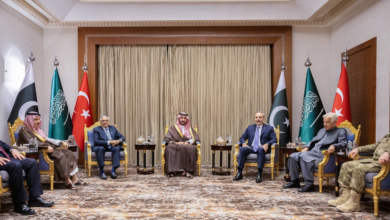
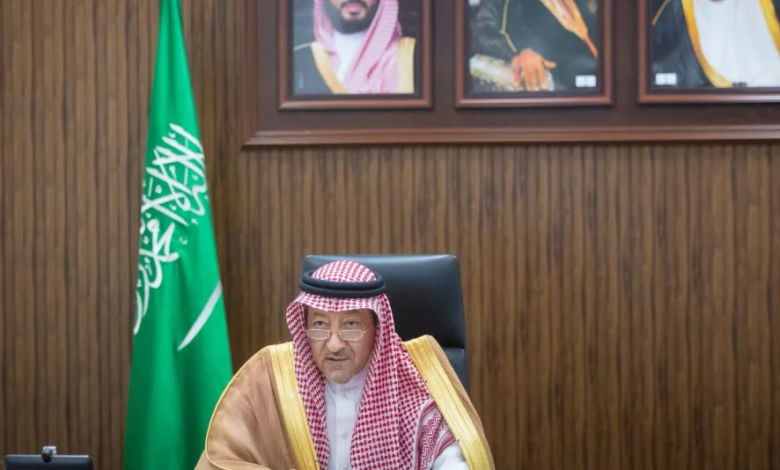
في خطوة تعكس التزامها الراسخ بتعزيز الأمن والاستقرار الإقليمي والدولي، تشارك المملكة العربية السعودية في الاجتماع الوزاري رفيع المستوى المخصص لتنسيق الجهود وبحث الترتيبات المتعلقة بضمان حرية الملاحة وإعادة فتح وتأمين مضيق هرمز أمام حركة التجارة العالمية. تأتي هذه المشاركة في ظل التحديات الجيوسياسية المتصاعدة التي تشهدها منطقة الشرق الأوسط، وتأكيداً على الدور الريادي الذي تلعبه الرياض في حماية الممرات المائية الاستراتيجية التي تعتبر شرياناً حيوياً للاقتصاد العالمي.
الأهمية الاستراتيجية والاقتصادية لمضيق هرمز
يُعد مضيق هرمز واحداً من أهم الممرات المائية وأكثرها حساسية على مستوى العالم. يربط هذا المضيق الاستراتيجي بين الخليج العربي من جهة، وخليج عمان وبحر العرب والمحيط الهندي من جهة أخرى. وتكمن أهميته الاقتصادية البالغة في كونه الممر الرئيسي لصادرات النفط والغاز من منطقة الخليج العربي إلى الأسواق العالمية. تشير الإحصاءات الموثوقة إلى أن ما يقارب خمس إنتاج العالم من النفط، أي حوالي 20 إلى 30 بالمائة من إجمالي الاستهلاك العالمي، يمر يومياً عبر هذا المضيق. لذلك، فإن أي تهديد أو إغلاق لهذا الممر ينعكس بشكل فوري ومباشر على أسعار الطاقة العالمية وسلاسل الإمداد.
السياق التاريخي والتوترات الإقليمية في المنطقة
تاريخياً، كان مضيق هرمز بؤرة للتوترات الجيوسياسية والنزاعات الإقليمية. منذ حرب الناقلات إبان الحرب العراقية الإيرانية في ثمانينيات القرن الماضي، برزت أهمية تأمين هذا الممر المائي. وفي السنوات الأخيرة، تصاعدت التوترات مجدداً مع تكرار حوادث استهداف السفن التجارية وناقلات النفط، مما دفع المجتمع الدولي إلى تشكيل تحالفات بحرية، مثل التحالف الدولي لأمن وحماية الملاحة البحرية، لضمان سلامة السفن العابرة. إن التلويح المستمر بإغلاق المضيق أو عرقلة الملاحة فيه يمثل ورقة ضغط سياسية تستدعي تنسيقاً دولياً وإقليمياً عالي المستوى للتعامل معها بحزم وفقاً للقانون الدولي.
الدور السعودي المحوري في تأمين الملاحة البحرية
تلعب المملكة العربية السعودية دوراً محورياً في الجهود الدولية الرامية إلى الحفاظ على حرية الملاحة البحرية. وبصفتها أكبر مُصدّر للنفط في العالم وعضواً قيادياً في منظمة أوبك، تدرك المملكة أن أمن مضيق هرمز ليس مجرد مسألة أمن قومي، بل هو ركيزة أساسية لاستقرار الاقتصاد العالمي. وقد دعت السعودية مراراً وتكراراً المجتمع الدولي إلى تحمل مسؤولياته في حماية الممرات المائية وتأمين حركة التجارة العالمية ضد أي ممارسات غير قانونية تهدد السلم والأمن الدوليين.
التأثير المتوقع للاجتماع وتداعياته المستقبلية
من المتوقع أن يسفر الاجتماع الوزاري عن نتائج ملموسة تنعكس إيجاباً على عدة أصعدة. على الصعيد المحلي والإقليمي، سيساهم التنسيق المشترك في تعزيز الثقة لدى الأسواق الإقليمية وضمان استمرار تدفق الصادرات الخليجية دون عوائق. أما على الصعيد الدولي، فإن نجاح هذه الجهود الدبلوماسية والأمنية سيبعث برسالة طمأنة قوية لأسواق الطاقة العالمية، مما يساعد في استقرار أسعار النفط والحد من التقلبات الاقتصادية. إن تضافر الجهود بين الدول المشاطئة والقوى الدولية الفاعلة يمثل السبيل الأمثل لضمان بقاء مضيق هرمز ممراً آمناً ومفتوحاً للتجارة العالمية، بعيداً عن أي تجاذبات سياسية أو تهديدات عسكرية.