
مقدمة: تحدي جديد للأخضر الشاب
أسفرت قرعة بطولة كأس العالم تحت 17 سنة، التي سُحبت اليوم الخميس في مدينة زيورخ السويسرية، عن وقوع المنتخب السعودي للناشئين في المجموعة الرابعة، في مواجهة منتخبات قوية تضم كل من فرنسا، هايتي، والأوروغواي. وتترقب الجماهير الرياضية انطلاق هذه النسخة الاستثنائية التي تستضيفها العاصمة القطرية الدوحة خلال الفترة من 19 نوفمبر وحتى 13 ديسمبر القادمين، في محفل كروي يجمع أفضل المواهب الشابة حول العالم.
السياق التاريخي والنظام الجديد للبطولة
تكتسب هذه النسخة أهمية تاريخية كبرى، حيث تأتي ضمن النظام الموسع الجديد الذي اعتمده الاتحاد الدولي لكرة القدم (فيفا). فقد تقرر زيادة عدد المنتخبات المشاركة إلى 48 منتخباً بدلاً من 24، مع إقامة البطولة بشكل سنوي بدلاً من كل عامين. وقد نالت دولة قطر شرف استضافة خمس نسخ متتالية من هذه البطولة العالمية المرموقة في الفترة من 2025 وحتى 2029، مما يعكس الثقة الكبيرة في البنية التحتية الرياضية القطرية وقدرتها على تنظيم أحداث رياضية ضخمة ومستدامة.
أهمية الحدث وتأثيره الإقليمي والدولي
على المستوى الإقليمي، يمثل إقامة كأس العالم تحت 17 سنة في الشرق الأوسط فرصة ذهبية للمنتخبات العربية، مثل المنتخب السعودي والمصري والمغربي والجزائري والقطري، للاحتكاك المستمر بأعرق المدارس الكروية العالمية وتطوير الأجيال القادمة. أما دولياً، فإن هذا التجمع السنوي لـ 48 منتخباً يحول الدوحة إلى العاصمة العالمية لاكتشاف المواهب، حيث يتوافد مئات الكشافين من كبرى الأندية الأوروبية والعالمية لمتابعة نجوم المستقبل عن قرب وبناء قاعدة بيانات لأبرز اللاعبين الصاعدين.
نتائج قرعة كأس العالم تحت 17 سنة
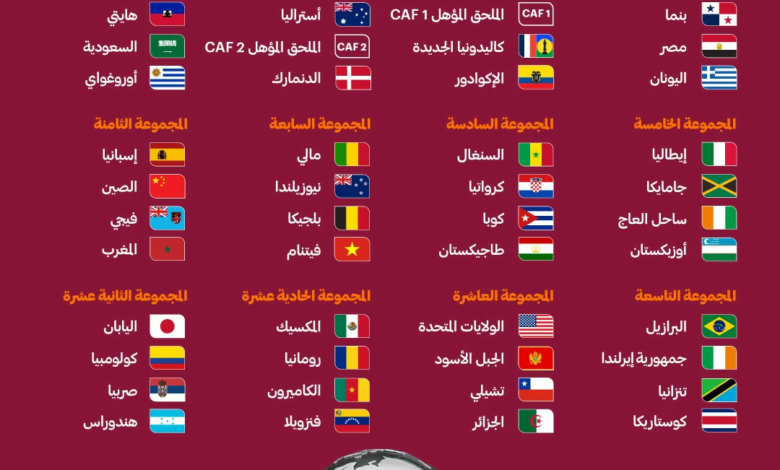
جرى توزيع المنتخبات الـ 48 المتأهلة على 12 مجموعة، بواقع أربعة منتخبات في كل مجموعة، لتمهيد الطريق نحو منافسات مليئة بالإثارة، وجاءت النتائج على النحو التالي:
- المجموعة الأولى: قطر، بنما، مصر، اليونان.
- المجموعة الثانية: كوريا الجنوبية، مرشح إفريقيا 1، كاليدونيا الجديدة، الإكوادور.
- المجموعة الثالثة: الأرجنتين، أستراليا، مرشح إفريقيا 1، الدنمارك.
- المجموعة الرابعة: المنتخب السعودي، فرنسا، هايتي، الأوروغواي.
- المجموعة الخامسة: إيطاليا، جامايكا، كوت ديفوار، أوزبكستان.
- المجموعة السادسة: السنغال، كرواتيا، كوبا، طاجيكستان.
- المجموعة السابعة: مالي، نيوزيلندا، بلجيكا، فيتنام.
- المجموعة الثامنة: إسبانيا، الصين، فيجي، المغرب.
- المجموعة التاسعة: البرازيل، جمهورية أيرلندا، تنزانيا، كوستاريكا.
- المجموعة العاشرة: الولايات المتحدة الأمريكية، مونتينيغرو، تشيلي، الجزائر.
- المجموعة الحادية عشرة: المكسيك، رومانيا، الكاميرون، فنزويلا.
- المجموعة الثانية عشرة: اليابان، كولومبيا، صربيا، هندوراس.
استعدادات قطر وبنية تحتية عالمية
من جانبه، أكد جاسم الجاسم، الرئيس التنفيذي للجنة المحلية المنظمة للبطولة، التزام قطر بتقديم نسخة استثنائية. وأشار إلى أن قطر صنعت التاريخ باستضافة أول بطولة تابعة للفيفا بنظام 48 منتخباً، حيث استقبلت أكثر من 1008 لاعبين ناشئين، وشهدت حضور أكثر من 197 ألف مشجع في 104 مباريات أُقيمت في أجواء احتفالية. وأضاف الجاسم أن التركيز ينصب على تقديم تجربة متكاملة تبني على نجاحات النسخ السابقة لإبراز المواهب الصاعدة.
وتُقام مباريات البطولة بنظام الاستضافة المركزية في مجمع المنافسات بأسباير زون، مما يتيح للمشجعين وكشافي المواهب حضور عدة مباريات في يوم واحد بسهولة تامة. ومن المقرر أن يُسدل الستار على البطولة بإقامة المباراة النهائية يوم 13 ديسمبر على استاد خليفة الدولي، وهو الصرح الرياضي العريق الذي يحتفل بمرور 50 عاماً على افتتاحه (1976)، والذي سبق له استضافة أبرز الفعاليات العالمية، وعلى رأسها مباريات كأس العالم للكبار FIFA قطر 2022.