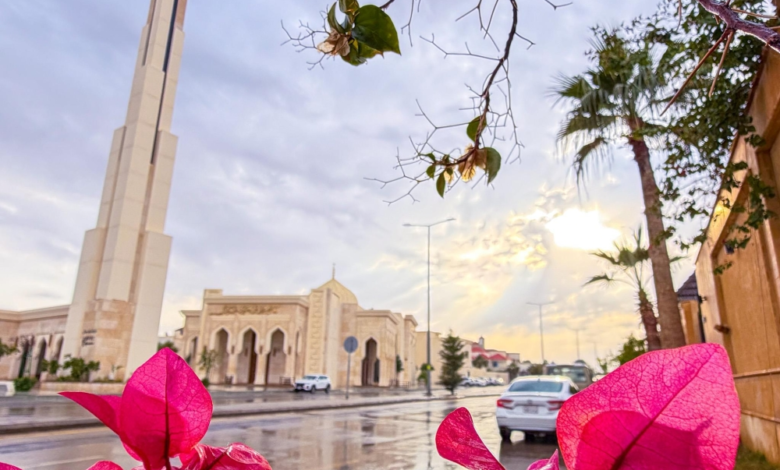

The Qassim region witnessed light to moderate rainfall this evening, including in the city of Buraidah and several other governorates and towns within the region, a welcome development for residents. This rainfall coincided with the formation of cumulonimbus clouds that covered the region's skies, indicating a continued chance of precipitation in the coming hours, according to initial indicators from the National Center for Meteorology.
Weather forecast and continued rainfall
Weather forecasts indicate a continued chance of more thunderstorms accompanied by strong surface winds, which may reduce horizontal visibility in some areas. Meteorologists are monitoring the movement of rain-bearing cumulonimbus clouds as they move towards various parts of the region, and warn the public to follow weather updates regularly for the latest developments.
Civil Defense warnings and safety guidelines
In a related context, and with the continued weather fluctuations, the General Directorate of Civil Defense and relevant authorities urged citizens and residents to exercise caution. They emphasized the importance of staying away from valleys and flood channels, avoiding low-lying areas where water may accumulate, and adhering to traffic safety instructions while driving on wet roads, in order to protect lives and property.
Agricultural and environmental importance of Qassim rains
Rainfall in the Qassim region is of paramount strategic and economic importance, given the region's status as the "breadbasket of the Kingdom." Qassim is renowned as one of the largest agricultural areas, boasting millions of palm trees and vast expanses of wheat and vegetable farms. These winter rains, known locally as "al-Wasmi" or its aftermath, contribute to irrigating the soil and washing the trees, in addition to their vital role in replenishing the groundwater reserves upon which agriculture in the region is heavily dependent.
The climatic context and its impact on daily life
The Qassim region is characterized by a continental desert climate, with hot, dry summers and cold, rainy winters. These rainy spells are part of the typical climate pattern for this time of year, contributing to a more pleasant atmosphere and a noticeable drop in temperatures. This pleasant weather usually encourages locals to head to desert parks (for picnics) once the weather stabilizes, boosting tourism and the local economy. However, there is a constant emphasis on the importance of adhering to environmental regulations and avoiding risks while in wadis (valleys) that are flowing.