Health prevention and artificial intelligence: an investment in quality care

The global and local context of comprehensive health care
Coinciding with World Health Day, established by the World Health Organization since its founding in 1948 to highlight major health issues, a group of experts emphasized that the concept of universal health coverage has moved beyond simply providing treatment to patients. In the local context, these insights align closely with the objectives of the Health Sector Transformation Program within the Kingdom's Vision 2030, which aims to restructure the health sector into a comprehensive, efficient, and integrated healthcare system that prioritizes individual and community health (prevention) over illness. The experts explained that integrating modern technologies, such as artificial intelligence and telemedicine, is a fundamental pillar for achieving sustainable development, reducing economic burdens, and increasing life expectancy with high-quality healthcare.
Prevention is a cornerstone of social and economic stability
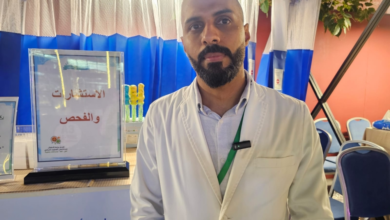
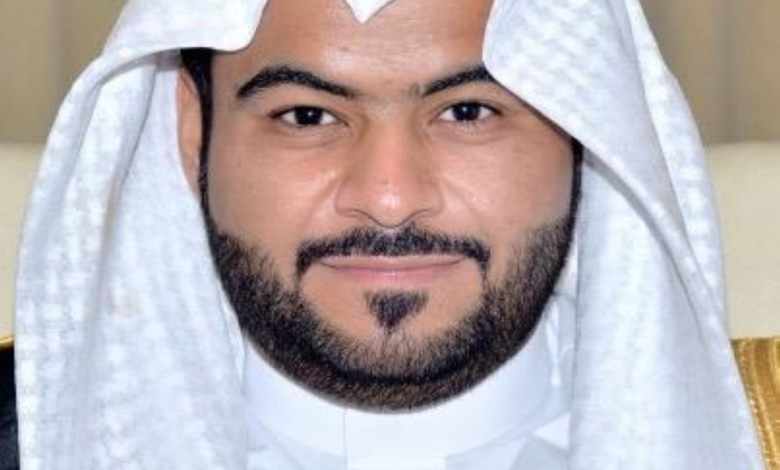
Dr. Ammar Baltayour, a family physician specializing in public health and preventive care, explained that universal health coverage is a cornerstone of social stability. It ensures access to medical services for all without financial burden, thus reducing poverty and enhancing individual productivity. He pointed out that the world today faces major health challenges such as chronic diseases like diabetes and hypertension, as well as mental health disorders. These are issues that require societal awareness and concerted efforts to address them effectively and sustainably.
Dr. Baltayour revealed that individuals can embody the concept of "prevention is better than cure" by adopting a healthy lifestyle that includes a balanced diet, regular physical activity, and adherence to periodic checkups, thus alleviating pressure on healthcare systems. He also highlighted the revolutionary role of modern technologies, such as artificial intelligence and telemedicine, in accelerating diagnosis and improving the quality of healthcare. He concluded by emphasizing that health is a human right and a shared responsibility; an individual's investment in their health today is a guarantee for their community's future.
Equity in access to health services
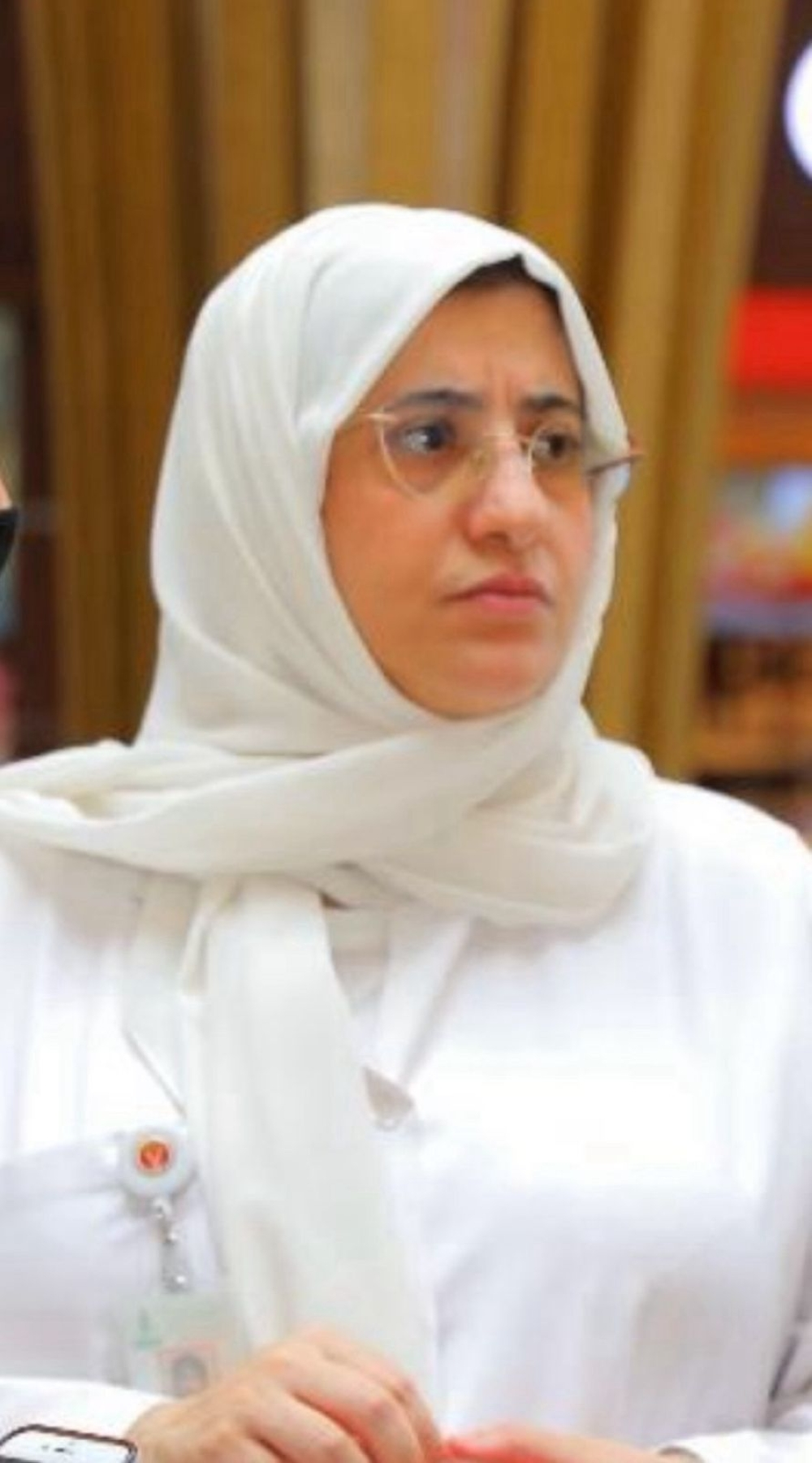
For her part, Professor Dr. Nabila Al Abdullah, Professor of Public Health and Epidemiology, explained that universal health coverage is a cornerstone of public health, ensuring equitable access to preventive and curative services. This contributes to reducing morbidity and mortality rates and enhancing the productivity and stability of societies. She further explained that public health faces increasing challenges, most notably chronic diseases, emerging epidemics, and unhealthy lifestyles, requiring concerted efforts from individuals and institutions to promote awareness and healthy behaviors.
She noted that modern technologies and artificial intelligence contribute to supporting public health systems by improving epidemiological surveillance, accelerating diagnosis, and enhancing health response, stressing that investing in prevention is the path towards healthier and more sustainable societies.
Psychological well-being and quality of life

Dr. Dima Hammami, a consultant in general surgery, endocrine surgery, and breast cancer with reconstructive surgery, affirmed that universal health coverage means peace of mind. When individuals are confident they can access healthcare without financial burden or delays, they become more productive and psychologically and socially stable. She explained that societies built on an equitable healthcare system experience fewer health disparities and greater opportunities for education and employment, which directly impacts the strength of the economy.
She explained that the current challenges are interconnected, ranging from the spread of chronic diseases to delays in early detection of certain illnesses such as breast cancer. She emphasized that artificial intelligence and precision medicine have transformed medical practice, making diagnosis more accurate and faster, and treatment more personalized.
Reliable awareness is the first line of defense
Dr. Joud Al-Mutairi, Assistant Professor at the College of Medicine, King Saud University, and Consultant in Clinical Public Health, Obesity, and Metabolic Diseases, explained that universal health coverage is the cornerstone of building more productive societies, as it contributes to early detection and reduces disease complications. She revealed that adopting preventative measures begins with simple daily choices, noting that modern medical technologies play a pivotal role in supporting health decisions.
She stressed that proper health awareness can only be achieved by referring to specialists and reliable sources, and avoiding being misled by misleading information spread through some platforms, which may cause direct harm to the health of the individual and society.
Investing in a healthy future

Dr. Mashael Ahmed Houbani, Assistant Professor of Health Policy at King Abdulaziz University and Head of the Scientific Research Committee, revealed that universal health coverage is one of the most important pillars of sustainable development. She explained that the prevalence of chronic lifestyle-related diseases and the growing concern for mental health issues necessitate a high level of public awareness.
She emphasized that the healthcare sector has witnessed remarkable development thanks to modern technologies that have contributed to increased diagnostic accuracy and faster treatment, such as artificial intelligence and telemedicine. She concluded by stressing that every small step towards a healthy lifestyle represents a genuine contribution to building a more prosperous society, and that investing in prevention is the path to a sustainable future.