
International concerns are mounting that escalating geopolitical tensions in the Strait of Hormuz could cast a dark shadow over another vital shipping lane, the Red Sea, raising the specter of a resurgence of piracy and maritime attacks that could destabilize global trade. This link between the two strategic waterways is not accidental; rather, it is the product of a complex web of regional conflicts that make maritime security hostage to political rivalries.
Historical context: From Somali pirates to new threats
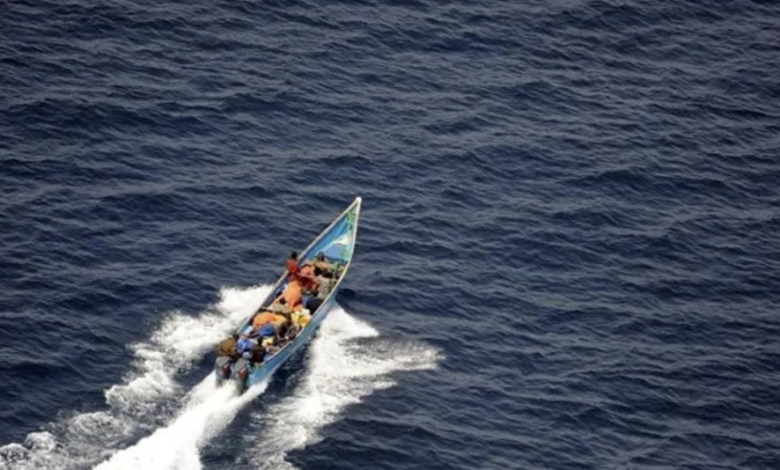
The Red Sea and the Gulf of Aden region have long been plagued by security threats. In the first decade of the 21st century, Somali piracy reached its peak, becoming a nightmare for merchant ships and shipping companies. Kidnappings and hostage-takings occurred almost daily, prompting the international community to form joint naval forces, such as Combined Task Force 151, which largely succeeded in curbing the phenomenon. However, the current threat differs in its nature and motivations; it is no longer simply organized criminal activity but has become more complex, with political and military dimensions, carried out by groups supported by regional powers.
The importance of the Strait of Hormuz and the Red Sea to the global economy
The Strait of Hormuz and the Bab el-Mandeb Strait (the southern entrance to the Red Sea) are among the world's most critical maritime chokepoints. Approximately one-fifth of the world's oil consumption passes through Hormuz, while roughly 12% of global trade, including vast quantities of manufactured goods and commodities destined for Asia and Europe, transits Bab el-Mandeb and the Red Sea. Any disruption to these waterways not only impacts energy prices but also destabilizes entire global supply chains, leading to shipment delays and increased transportation and insurance costs.
Expected impact: Widespread economic and geopolitical repercussions
The shift of tensions from the Strait of Hormuz to the Red Sea, as recently witnessed in the Houthi attacks on commercial vessels, carries serious implications. Economically, major shipping companies are forced to make difficult decisions, such as rerouting their vessels around the Cape of Good Hope in Africa—a much longer and more expensive route. This diversion adds weeks to the journey time, increases fuel consumption and operating costs, and is ultimately passed on to the consumer, contributing to rising global inflation. Geopolitically, these attacks necessitate international responses and the formation of new military alliances to protect shipping, such as Operation Prosperity Sentinel, further militarizing the region and raising the likelihood of a wider regional conflict that could draw in major world powers.