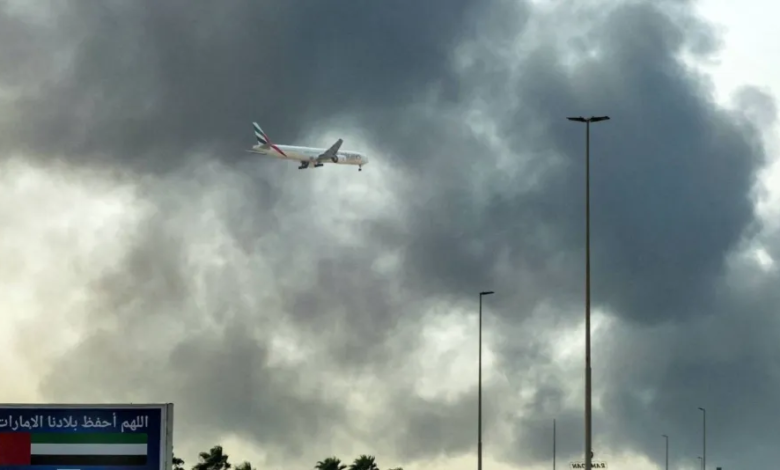
Iranian attacks target civilian facilities in the Gulf | Details and repercussions

Introduction to escalating security tensions in the Gulf region
The Arabian Gulf region has witnessed a marked escalation in security tensions in recent years, with reports and incidents documenting Iranian attacks targeting civilian and residential facilities in the Gulf. These attacks, whether carried out directly or through proxies backed by Tehran, pose a serious threat to regional and international security. The Gulf region is a vital artery for the global economy, making any targeting of its infrastructure extremely dangerous and with repercussions that extend far beyond the region's borders, jeopardizing maritime security and energy supplies.
General context and historical background of the event
Historically, relations between Iran and the Gulf Cooperation Council (GCC) states have been characterized by periods of tension and rapprochement, particularly as Tehran seeks to bolster its regional influence through various strategies. This tension has manifested in several incidents targeting maritime navigation in the strategic Strait of Hormuz, as well as drone and ballistic missile attacks targeting oil and civilian facilities. Among the most prominent of these incidents was the 2019 attack on Saudi Aramco facilities in Abqaiq and Khurais, which was blamed on Iran and temporarily disrupted a significant portion of global oil supplies. Furthermore, in early 2022, the United Arab Emirates was subjected to attacks by the Iranian-backed Houthi group, targeting civilian areas and vital infrastructure, underscoring the continued strategy of targeting civilian infrastructure as a tool for political and military pressure.
The importance of the event and its expected impact at different levels
Local and regional impact
At the local and regional levels, any Iranian attacks in the Gulf serious concerns about the safety of civilians and residents in major cities. Targeting civilian and residential areas constitutes a flagrant violation of international humanitarian law and the Geneva Conventions. These ongoing threats have prompted Gulf states to strengthen and modernize their air defense systems, such as deploying advanced Patriot and THAAD systems, and to intensify security, military, and intelligence cooperation among themselves and with their international allies to ensure the protection of their territories and citizens from any surprise attacks.
International and economic impact
Internationally, the repercussions of these attacks cannot be confined to the regional sphere alone. The Gulf region is responsible for producing and exporting a significant portion of the world's energy needs (oil and gas). Any threat to vital infrastructure or maritime shipping lanes immediately leads to fluctuations in global oil prices, further straining a global economy already grappling with inflationary challenges and supply chain crises. Moreover, targeting civilian infrastructure invites widespread condemnation from the international community, including the United Nations, the United States, and the European Union, potentially leading to additional economic and diplomatic sanctions against Tehran and its proxies.
International stance and diplomatic efforts
Faced with these complex security challenges, the international community is seeking diplomatic solutions to de-escalate tensions in the region and prevent it from sliding into open conflict. Many countries are calling on Iran to adhere to the principles of good neighborliness, refrain from interfering in the internal affairs of other states, and cease supplying its proxies with advanced weaponry. At the same time, the Gulf states affirm their legitimate right to defend their national security and protect their civilian and residential infrastructure from any attacks, while continuing to support peaceful efforts aimed at achieving lasting stability in the Middle East and ensuring freedom of navigation and global trade.