
A pioneering step towards protecting biodiversity in the Kingdom
As part of the Kingdom of Saudi Arabia’s ongoing environmental efforts to achieve the goals of Vision 2030 and the Saudi Green Initiative, the National Center for Wildlife Development has launched the first national program dedicated to the breeding and reintroduction of freshwater fish in Saudi Arabia. This strategic step aims to protect rare and endangered species and enhance the sustainability of their populations in their natural habitats within Saudi valleys, thus contributing to restoring ecological balance in these sensitive areas.
Environmental context and importance of freshwater fish
Freshwater environments in the Arabian Peninsula, and specifically in the Kingdom of Saudi Arabia, are rare ecosystems due to the arid desert climate. Freshwater fish play a vital role in maintaining the health of these ecosystems, contributing to water purification and insect control, in addition to being an integral part of the national natural heritage. This program underscores the Kingdom's commitment to international agreements for the protection of biodiversity and the reduction of endemic species loss.
Strategic partnership and target types
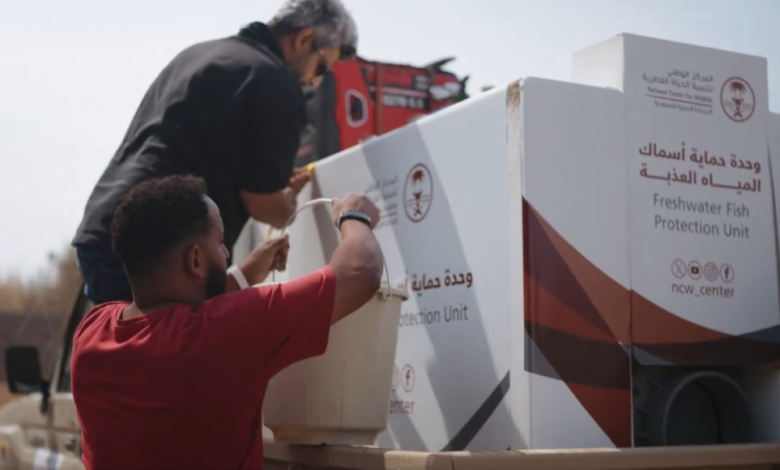
The center explained that the program is being implemented in close collaboration with King Abdullah University of Science and Technology (KAUST), targeting in its current phase two endangered fish species native to the region: the Arabian bream and the Arabian red snapper. Fieldwork began with the collection of Arabian bream samples from carefully selected locations in Wadi Khaybar, including the historic Al-Thamud Dam and a pond in Wadi Al-Gharas, following extensive field surveys to identify aggregation sites and the logistical requirements for collection and transportation.
Employing modern technologies and genetic analyses
To ensure the highest success rates, the center noted that remote sensing technologies effectively identified more than 21 important sites for these species, which were designated as permanent habitats. Despite the challenges faced by the field teams, including rugged terrain and difficult access to some locations, the teams successfully transported the fish live over long distances while maintaining appropriate temperatures and water flow rates.
The program is based on an integrated scientific system that includes:
- Collecting mothers from their natural environments with utmost care.
- Conducting accurate genetic analyses to assess genetic diversity and ensure the health of future generations.
- Developing advanced protocols for breeding and feeding in captivity through precise control of the physical and chemical properties of the water.
- Employing modern technologies to increase survival and growth rates.
- Establishing early incubation and rearing systems that ensure individuals are ready for release into nature.
Continuous monitoring and establishment of a sustainable infrastructure
In the long term, the program extends beyond mere breeding; it includes a comprehensive assessment of target release sites and the implementation of long-term monitoring programs to measure the success of reintroduction efforts and the response of ecosystems. As a culmination of these efforts, a specialized national freshwater fish hatchery will be established at the Prince Saud Al-Faisal Center in Taif Governorate. This hatchery will serve as the cornerstone for sustaining breeding and reintroduction programs and will further solidify the Kingdom's position as a regional leader in wildlife conservation.