Ministers of Religious Endowments in the Islamic world condemn Iranian attacks

Islamic unity in the face of current challenges
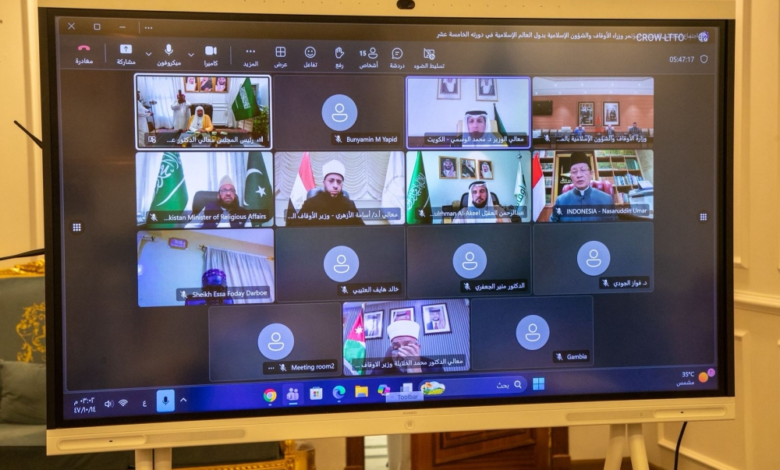
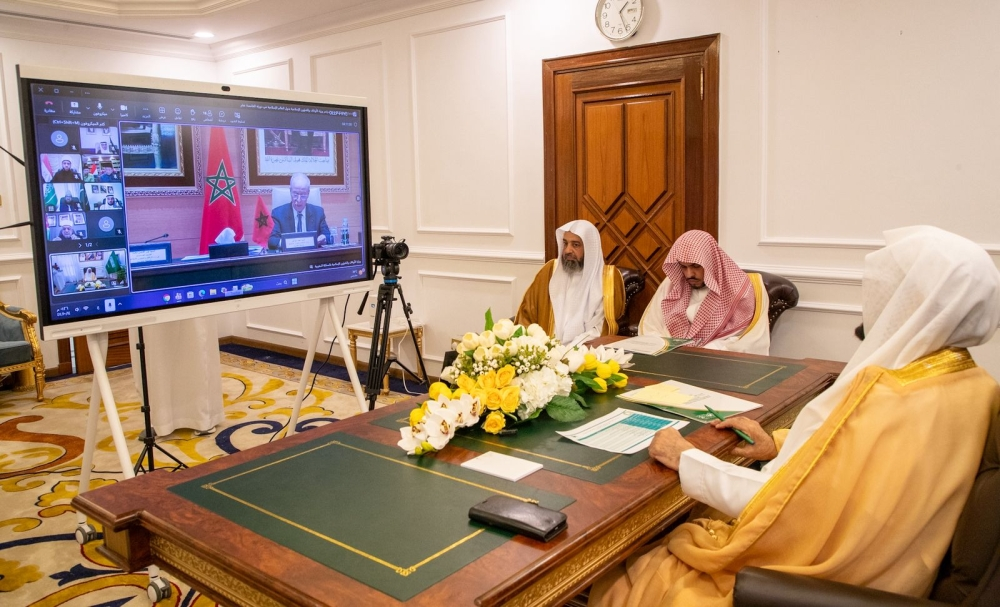
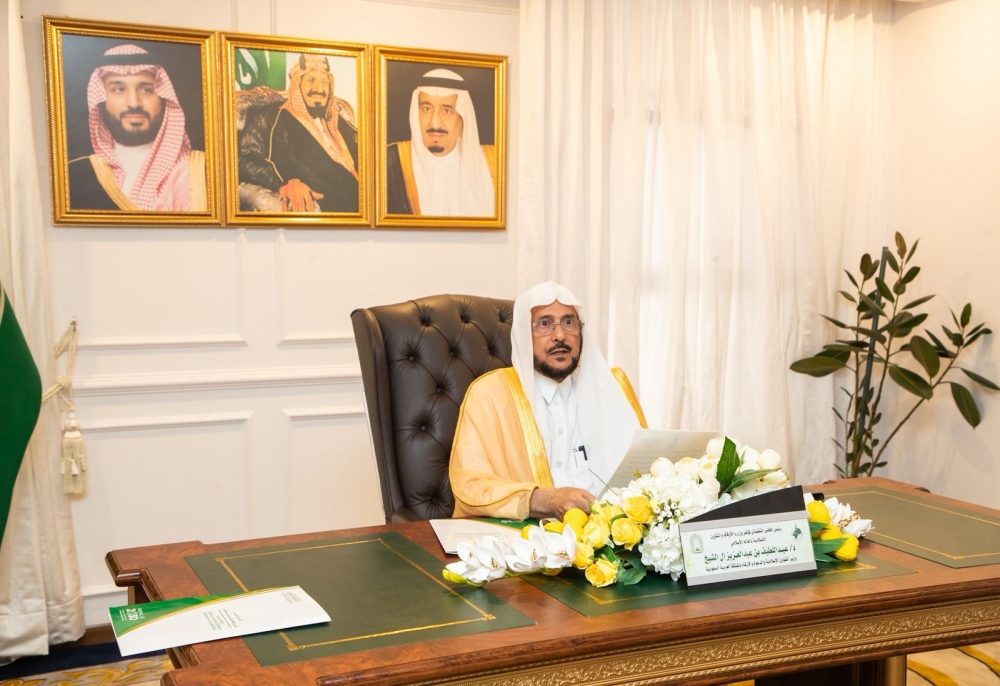
In a move reflecting deep solidarity and a unified stance on regional and international issues, the final communiqué of the fifteenth session of the Executive Council of the Conference of Ministers of Endowments and Islamic Affairs of the Muslim World was issued on Thursday, Shawwal 14, 1447 AH (April 2, 2026). This landmark meeting was held virtually from the Council's headquarters in Jeddah, Saudi Arabia, under the chairmanship of His Excellency the Saudi Minister of Islamic Affairs, Dawah and Guidance, Sheikh Dr. Abdul Latif bin Abdulaziz Al Sheikh. The meeting witnessed active participation from Their Excellencies the Ministers from several member countries, including: the Hashemite Kingdom of Jordan, the Republic of Indonesia, the Islamic Republic of Pakistan, the Republic of The Gambia, the State of Kuwait, the Arab Republic of Egypt, and the Kingdom of Morocco.
General context and strategic importance of the conference
The Conference of Ministers of Endowments in the Islamic World is a major institutional platform aimed at coordinating efforts among Islamic countries to promote the values of moderation and combat extremism. The importance of this session stems from the delicate geopolitical circumstances facing the Islamic world and the Middle East region, necessitating concerted efforts to protect Muslim societies intellectually and in terms of security. In his opening address, the Council Chairman emphasized these points, stressing that the current stage requires strengthening unity and unifying visions to serve the causes of Muslims and showcase the true, tolerant image of Islam.
Developing Islamic work and employing modern technologies
During its sessions, the Council reviewed a range of working papers and vital topics on its agenda. Among the most prominent was a discussion of modern strategies for reforming the Muslim character through proper Islamic education and practice. In a move that keeps pace with the times, the ministers discussed mechanisms for employing artificial intelligence technologies in the field of Islamic affairs and serving religious causes, reflecting an awareness of the importance of digital transformation. The Council also highlighted the pioneering Saudi experience in developing the endowments sector and maximizing its economic and developmental impact, the role of endowments in achieving sustainable development and supporting humanitarian work, and strengthening channels of cultural dialogue between East and West.
Strong condemnation of Iranian aggression and its regional influence
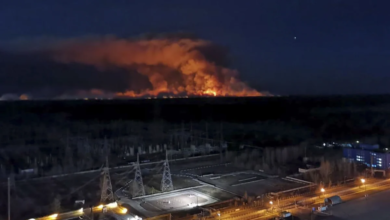
On the political and security front, the Council adopted a firm stance against interventions that destabilize the region. The final statement expressed its strong condemnation and denunciation of the Iranian attacks targeting the Kingdom of Saudi Arabia, the Gulf Cooperation Council (GCC) states, and the Hashemite Kingdom of Jordan. This condemnation comes within a historical context of ongoing regional tensions stemming from the support and arming of militias with drones and weapons, which terrorizes innocent civilians and destroys vital infrastructure such as airports, desalination plants, and residential areas. The Council affirmed that these practices constitute a flagrant violation of Islamic values, the principles of good neighborliness, and international law, threatening international peace and security. It called upon Tehran to immediately cease these attacks and halt the funding and arming of its affiliated militias.
Condemnation of Israeli violations at Al-Aqsa Mosque
The Council did not overlook the central issue for Muslims, expressing its strong condemnation of the repeated violations perpetrated by the Zionist entity against the blessed Al-Aqsa Mosque, particularly its closure to worshippers during the holy month of Ramadan. This stance carries significant international weight, sending a clear message to the international community about the necessity of upholding its responsibilities in protecting Islamic holy sites and guaranteeing freedom of worship.
Future decisions and vision for 2027
At the conclusion of its proceedings, the Council adopted a series of strategic resolutions, including designating the theme of the Tenth General Conference as: “The Responsibility of Ministries of Islamic Affairs and Endowments in Preserving Islamic Identity and Promoting the Values of Citizenship.” It was also decided that the Council’s Sixteenth Session would be held in the second quarter of 2027 in the holy city of Mecca. The statement concluded with expressions of profound gratitude and appreciation to the government of the Kingdom of Saudi Arabia, under the leadership of the Custodian of the Two Holy Mosques, King Salman bin Abdulaziz, and His Royal Highness the Crown Prince, Mohammed bin Salman, for their unwavering support of joint Islamic action, and to Sheikh Abdul Latif Al-Sheikh for his wise leadership of the Council.