Saudi Arabia calls on the Security Council to condemn Iran's attacks and protect navigation

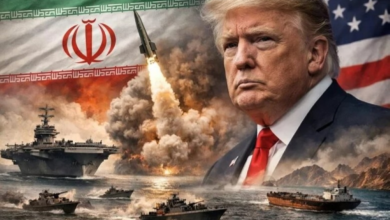
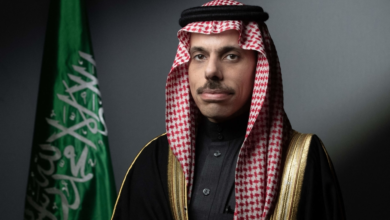
The Kingdom of Saudi Arabia, through its Permanent Representative to the United Nations, Ambassador Dr. Abdulaziz Al-Wasil, reiterated its firm commitment to the paramount importance of protecting international navigation and called upon the UN Security Council to take a decisive stance and condemn the Iranian attacks that threaten the stability of the region and the world. This came during Ambassador Al-Wasil's participation in a ministerial session of the Security Council that addressed ways to enhance the safety of vital waterways.
General context: The Strait of Hormuz, a global energy artery
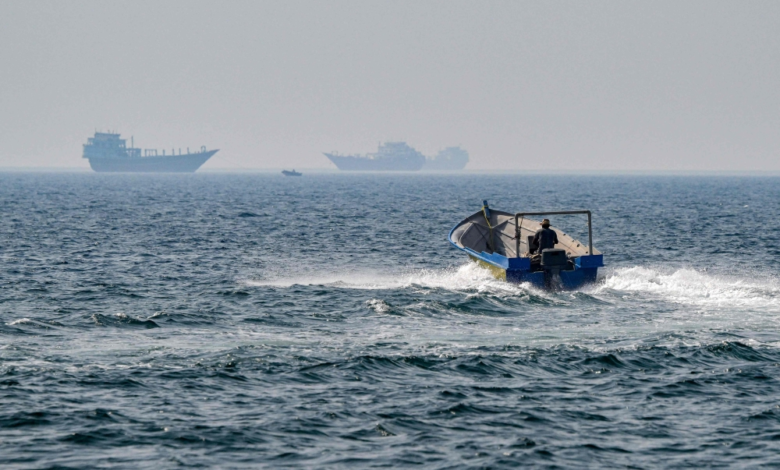
The Kingdom's call is particularly significant given the strategic location of the Arabian Gulf region, specifically the Strait of Hormuz, which is the geographical chokepoint for global trade. Approximately one-fifth of the world's daily oil consumption passes through this strait, making it a vital and indispensable chokepoint. Any disruption to this waterway not only affects the countries of the region but also has repercussions, causing shocks in global energy markets and threatening the supply chains upon which the international economy depends. Historically, the region has witnessed escalating tensions, with threats to close the strait or target oil tankers being used as political leverage, making the security of navigation through it an international priority.
A firm Saudi stance to protect stability
In his address, Ambassador Al-Wasel clarified that any threat to freedom of navigation in the Gulf and the Strait of Hormuz is a direct threat to the stability of global energy markets and international economic security. He emphasized that the security of navigation in this sensitive region is a collective responsibility of the entire international community and necessitates strict adherence to the principles of international law and relevant Security Council resolutions. He noted that the Kingdom supports all international and regional efforts aimed at de-escalation and establishing peace, including mediation efforts undertaken by friendly nations such as Pakistan, with the goal of defusing the crisis and preventing the region from sliding into a wider conflict.
Expected impact and call to action
Saudi Arabia’s position at the Security Council is not merely a defense of its national interests as the world’s largest oil exporter, but also a call to protect the global economic order. Regionally, this call aims to build a united front to deter any hostile acts that could destabilize the Gulf states. Internationally, the stability of navigation in the Strait of Hormuz ensures the flow of energy at reasonable prices and prevents economic crises that could affect both developed and developing countries. Therefore, the Kingdom’s Permanent Representative called on the Security Council to issue a clear and unequivocal condemnation of the attacks on the Kingdom and its vital facilities, attacks which evidence points to as being perpetrated by Iran. He emphasized that the absence of a decisive international stance encourages the aggressor to repeat its violations of international law.