
السياق العام والتاريخي لمكافحة التصحر في المملكة
عانت شبه الجزيرة العربية لعقود طويلة من تحديات بيئية قاسية، أبرزها التصحر، شح المياه، وزحف الرمال الذي أثر على الغطاء النباتي والحياة الفطرية. ومع إطلاق رؤية السعودية 2030، تبنت المملكة نهجاً شاملاً للتحول البيئي. وفي 27 مارس 2021، أطلق صاحب السمو الملكي الأمير محمد بن سلمان بن عبدالعزيز آل سعود، ولي العهد رئيس مجلس الوزراء، مبادرة السعودية الخضراء، والتي شكلت نقطة تحول تاريخية في مسيرة حماية البيئة محلياً وإقليمياً.
إنجاز نوعي: تأهيل مليون هكتار وزراعة 159 مليون شجرة
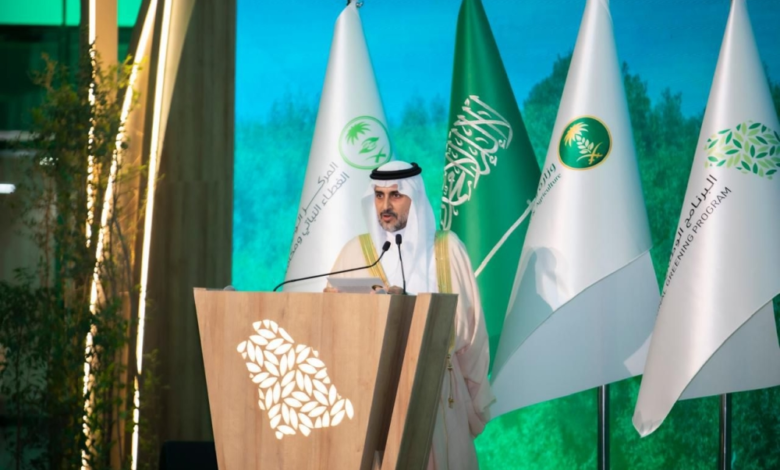
حققت المملكة العربية السعودية إنجازاً وطنياً غير مسبوق في مجال حماية البيئة واستعادة الغطاء النباتي، حيث أعلنت عن إعادة تأهيل أول مليون هكتار من الأراضي المتدهورة. وترافق هذا الإنجاز مع زراعة أكثر من 159 مليون شجرة في مختلف مناطق المملكة.
وأكد المهندس عبدالرحمن الفضلي، وزير البيئة والمياه والزراعة ورئيس مجلس إدارة المركز الوطني لتنمية الغطاء النباتي ومكافحة التصحر، أن هذا الإنجاز يعكس الدعم اللامحدود من القيادة الرشيدة. وأوضح أن الرحلة بدأت بتأهيل 18 ألف هكتار، ثم تسارعت لتصل إلى 250 ألف هكتار في عام 2024، وصولاً إلى هذا الرقم المليوني الذي يمهد الطريق لتحقيق هدف تأهيل 2.5 مليون هكتار بحلول عام 2030، والهدف الأكبر المتمثل في زراعة 10 مليارات شجرة، أي ما يعادل 40 مليون هكتار.
التأثير المحلي والإقليمي: عودة الحياة الفطرية وانخفاض العواصف
لم يقتصر تأثير مبادرة السعودية الخضراء على زراعة الأشجار فحسب، بل امتد ليشمل صون الحياة الفطرية وإعادة توطين الكائنات المهددة بالانقراض. وقد أصبحت أجواء المملكة ومحمياتها الملكية موطناً آمناً للطيور المهاجرة والمستوطنة بفضل توفير الموائل الطبيعية.
من جانبه، كشف نائب وزير البيئة والمياه والزراعة، المهندس منصور المشيطي، عن الأثر الملموس للبرامج الداعمة مثل البرنامج الوطني لاستمطار السحب، والذي أسهم في زيادة الهاطل المطري. ومن المتوقع أن ينعكس ذلك إيجاباً على خفض العواصف الغبارية بنسبة تصل إلى 50% في عام 2025 مقارنة بعام 2024. هذا التحسن البيئي يدعم السياحة البيئية، يعزز الاستثمارات الخضراء، ويحسن جودة الحياة للمواطنين والمقيمين.
إشادة دولية ودور ريادي عالمي
على الصعيد الدولي، لفتت جهود المملكة أنظار العالم. وأشادت القيادات البيئية في الأمم المتحدة واتفاقية مكافحة التصحر بهذا الإنجاز، مؤكدين أنه يثبت إمكانية استعادة الأراضي حتى في أكثر البيئات تحدياً، وأن العمل الجماعي قادر على تحويل التحديات إلى فرص حقيقية.
وتتزامن هذه الإنجازات مع استعدادات المملكة لاستضافة مؤتمر الأطراف لاتفاقية الأمم المتحدة لمكافحة التصحر (COP16) في العاصمة الرياض، مما يرسخ مكانة السعودية كقائد عالمي في تبني الحلول القائمة على الطبيعة. وفي ختام الفعاليات المصاحبة لهذا الإنجاز، تم تكريم الجهات الوطنية المشاركة، واستعراض التقنيات الحديثة المستخدمة في تنمية الغطاء النباتي، مما يثبت أن تضافر جهود القطاعين الحكومي والخاص هو السبيل لضمان استدامة الموارد للأجيال القادمة.