Repairing the Druzhba pipeline: Implications for the return of Russian oil to Europe

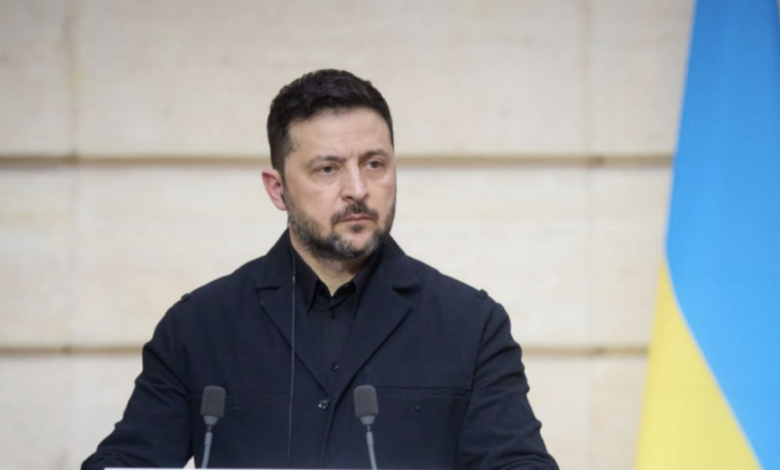
Ukrainian President Volodymyr Zelensky announced the completion of repairs to the damaged section of the Druzhba oil pipeline, a vital artery for transporting Russian crude oil to several Central European countries. This announcement brings a temporary end to a crisis that threatened energy supplies in the region and sparked political tensions within the European Union.
Historical background and strategic importance of the “Drogba” line
The Druzhba pipeline, whose name means “friendship” in Russian, is one of the world’s longest oil pipeline networks. Built during the Soviet era in the 1960s, it was designed to supply Moscow’s Eastern Bloc allies with crude oil. The pipeline runs from Russia through Ukraine, branching into two main routes: a northern route supplying Poland and Germany, and a southern route supplying Hungary, Slovakia, and the Czech Republic. Despite European efforts to reduce dependence on Russian energy following the invasion of Ukraine, landlocked countries like Hungary and Slovakia remain heavily reliant on oil flowing through this pipeline, having received exemptions from the EU embargo on Russian oil transported by sea.
Details of the recent crisis and its political repercussions
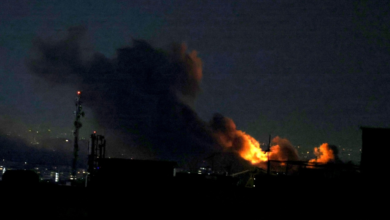
The pipeline was damaged in late January by what Kyiv described as “Russian strikes” targeting Ukraine’s energy infrastructure, halting flows. This disruption created a multifaceted crisis, as the pipeline became the focus of a sharp dispute between Ukraine and Hungary. Hungarian Prime Minister Viktor Orbán used the situation as leverage, blocking a vital €90 million EU aid package for Ukraine, making it contingent on guarantees that the pipeline would be repaired and oil flows to his country resumed. Kyiv, in turn, accused Budapest and Bratislava of dragging their feet in supporting repair efforts, while it was grappling with a budget deficit and desperately needed European funding to address its economic and military challenges.
Local and regional impact of the resumption of the line's operation
The repair and resumption of the pipeline represent a significant breakthrough for Hungary and Slovakia, ensuring stable energy supplies for their economies. For Ukraine, the pipeline's return to service means the resumption of transit fees, a vital source of hard currency. However, President Zelensky warned that Russia might target the pipeline's infrastructure again, maintaining uncertainty. In his statement, Zelensky affirmed that "Ukraine has completed the repair work... and the pipeline is ready to resume operations," while simultaneously emphasizing the need for Europe to maintain sanctions pressure on Russia and intensify efforts to diversify its energy sources. He stated, "Europe must be independent of those who seek to destroy or weaken it.".