
Transavia, the low-cost airline arm of the Air France-KLM group, announced a move that could disrupt travel plans for many, canceling a number of its scheduled flights during May and June. This decision comes as a direct response to the sharp and continuous rise in jet fuel prices, exacerbated by recent global geopolitical tensions, particularly in the Middle East and Eastern Europe.
In a statement to AFP, a company spokesperson explained that the canceled flights represent a small percentage, approximately 2%, of its total flight schedule, and confirmed that the company is working to mitigate the impact on its customers. Transavia is committed to providing alternative solutions for affected passengers, including the possibility of rescheduling their bookings free of charge, receiving a travel voucher, or a full refund, in an effort to ease the disruption to their travel plans.
Global context: A storm hits the aviation sector
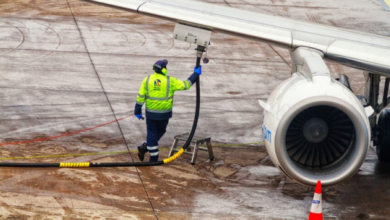
Transavia’s decision cannot be viewed in isolation from the broader global context. The aviation sector is currently experiencing a perfect storm, with the strong recovery in travel demand following the COVID-19 pandemic colliding with highly volatile energy markets. Since the start of the war in Ukraine, energy prices in Europe have been extremely unstable, directly impacting the operating costs of airlines, for which fuel is one of the largest expense items. This situation has led many companies, including Transavia, to gradually increase their ticket prices, with the spokesperson noting an average increase of €10 for a round-trip flight.
Impact of tensions in the Middle East
Escalating tensions in the Middle East add another layer of complexity. While vital shipping lanes like the Strait of Hormuz remain open, regional conflicts increase risks and insurance and shipping costs. Europe imports a significant portion of its kerosene (jet fuel) from the Gulf states, and any potential threat to the stability of these supplies is immediately reflected in higher prices on global markets. This anxiety about potential future disruptions is driving prices upward, putting airlines, especially those operating on a low-cost model, under immense pressure.
The repercussions for travelers and the economy
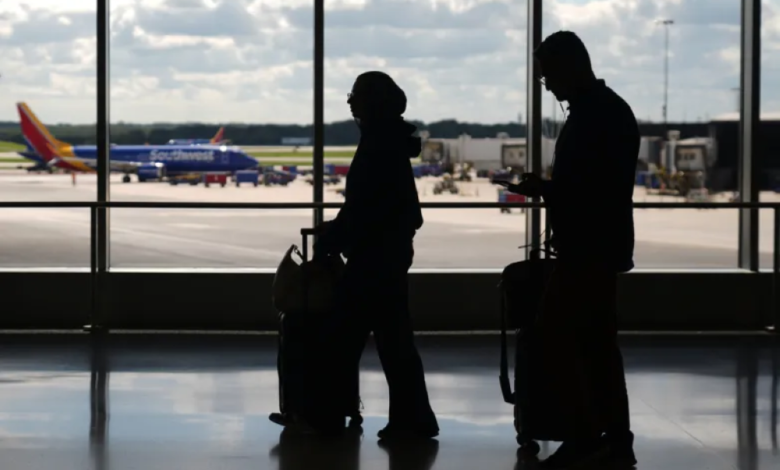
For travelers, this decision means not only the possibility of canceled trips but also facing higher ticket prices overall as the summer season approaches. Economically, these disruptions threaten the European tourism sector, which relies heavily on low-cost airlines to bring in visitors. Dan Jorgensen, the EU Commissioner for Energy, warned that the bloc is “rapidly approaching a potential supply crisis,” which could inevitably lead to further price hikes and flight cancellations if the situation persists, casting a shadow of uncertainty over the entire summer holiday season.