
Introduction: The energy crisis and rising costs
witnessed power plant fuel bill an unprecedented surge during February and March, registering an increase of approximately 87.5%. The cost rose to EGP 60 billion, compared to EGP 32 billion during the same period last year. This significant increase is driven by severe volatility in global energy markets and geopolitical tensions, including the direct repercussions of regional conflicts and reports indicating the impact of tensions related to Iran and the Middle East on global oil prices.
General context and historical background of the Egyptian energy sector
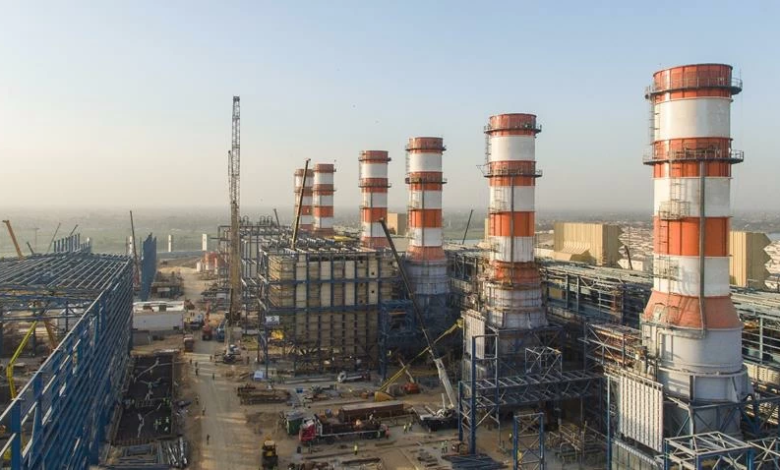
Historically, Egypt has relied heavily on natural gas and fuel oil to power its thermal power plants, which form the backbone of the national electricity grid. Although Egypt achieved self-sufficiency in natural gas in previous years thanks to major discoveries like the Zohr field, the continuous increase in domestic consumption, urban and industrial expansion, coupled with the natural decline in production from some fields, has forced the country back into imports to bridge the gap between production and consumption. This shift has made the Egyptian economy more vulnerable to global price fluctuations, especially during crises that destabilize oil and gas markets.
Reasons for the rise and the impact of global markets
Informed government officials attributed the sharp rise in the fuel bill to the significant increases in global gas and oil prices. Amid unprecedented turmoil in energy markets, geopolitical tensions pushed oil prices above $100 per barrel at times, directly and immediately impacting Egypt's fuel import costs. Consequently, the fuel import bill surged by 56% in March alone, reaching approximately $1.2 billion, compared to around $767 million before the escalation of global crises.
Efforts to bridge the gap and the volume of local consumption
To secure the needs of the domestic market and ensure the continued operation of power plants, Egypt is forced to import approximately one million tons of various petroleum products monthly. These imports are distributed as follows: 600,000 tons of diesel, 230,000 tons of gasoline, and 170,000 tons of butane. Statistics indicate that the country consumes petroleum products annually worth nearly one trillion Egyptian pounds (equivalent to approximately 20 billion US dollars), with about 60% of this going directly to power generation plants. These enormous figures reveal a significant pricing gap, as estimates suggest that current electricity prices for consumers are up to 75% lower than the actual cost of production.
Accumulation of debts and financial burdens
This significant gap between production costs and selling prices has led to a massive accumulation of financial burdens. Officials explained that the Ministry of Electricity bears part of the cost of fuel used in its power plants, paying approximately 8 billion Egyptian pounds monthly out of a total of 30 billion pounds, while the Ministry of Finance covers the remaining difference, which is recorded as accumulated debt owed by the Ministry of Electricity. This substantial increase has directly impacted the financial entanglements and debts between the electricity and petroleum sectors. The petroleum sector's receivables from the Ministry of Electricity reached an unprecedented 390 billion pounds as of April 1st, driven by the rising cost of fuel, particularly imported natural gas.
Importance and expected impact (locally and regionally)
Domestically, this surge in fuel costs for power plants is placing immense pressure on the state budget, potentially forcing the government to accelerate subsidy restructuring plans and adjust electricity tariffs to alleviate the financial burden. It also impacts foreign currency reserves due to the urgent need for hard currency to finance petroleum imports. Regionally and internationally, this crisis underscores the importance of accelerating the transition to renewable energy sources, such as solar and wind power, and expanding regional electricity interconnection projects to reduce reliance on fossil fuels and enhance sustainable energy security.