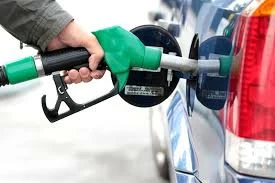

Gasoline prices in the United States have risen significantly to their highest levels in several months, reflecting the escalating geopolitical tensions in the Middle East and their impact on global energy markets, in addition to domestic seasonal factors that are pushing prices upward.
According to data from the American Automobile Association (AAA), the average price of a gallon of gasoline in the United States rose by about 8% in just one month, or roughly 40 cents, from $4.06 to $4.39 per gallon. This increase is part of a broader upward trend that began with the deteriorating security situation in key oil-producing and exporting regions.
General context: Intersection of international and local factors
The current surge in fuel prices stems from a complex mix of factors. Internationally, escalating tensions in the Middle East, particularly attacks on shipping lanes in the Red Sea and fears of wider conflict, have added a so-called “risk premium” to global crude oil prices. Markets react anxiously to any potential threat to oil supplies from this vital region, driving up Brent and West Texas Intermediate crude futures prices, which directly impacts gasoline refining costs.
Domestically, this external tension coincides with seasonal factors that contribute to rising prices. As summer approaches, US refineries begin switching from producing winter gasoline to summer gasoline, a type of fuel with a different chemical composition to reduce evaporation at higher temperatures. Producing summer gasoline is more expensive, adding to the final price for consumers. Fuel demand also naturally increases during the summer months with the start of the holiday and road trip season.
Varying impact between states
Although the overall trend in prices is upward, the picture varies considerably from state to state. Midwestern states such as Ohio, Michigan, and Indiana saw sharp increases exceeding 20% in just one week, while other states like Florida and Arizona recorded marginal weekly increases of less than 2%.
California remains the most expensive state for gasoline, with drivers there paying an average of $6.06 per gallon. This high price in California and other West Coast states is attributed to a combination of factors, most notably high fuel taxes, stringent environmental standards that require specialized and expensive fuel formulations, and their relative distance from major Gulf Coast refineries.
The list of the five most expensive states includes California, Hawaii ($5.64), Washington ($5.61), Oregon ($5.21), and Nevada ($5.15), illustrating the greater burden borne by the western states of America.
Importance and expected impact
The rise in gasoline prices has broad economic and political repercussions. Domestically, it directly impacts American household budgets and reduces their purchasing power, while also increasing transportation and shipping costs for businesses, potentially contributing to inflationary pressures on the overall economy. In an election year, fuel prices are a sensitive political issue that can influence public opinion of the current administration. Internationally, the continued rise in energy prices in the world's largest economy could affect global growth rates and central bank policies worldwide.