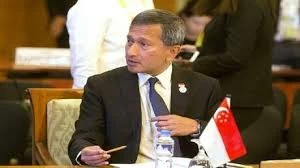

أعرب وزير خارجية سنغافورة، فيفيان بالاكريشنان، عن قلقه البالغ إزاء التطورات المتصاعدة في منطقة الشرق الأوسط، محذراً من أن استهداف منشآت الطاقة سيؤدي إلى توقف الصادرات النفطية لفترات طويلة. وأكد بالاكريشنان في تصريحاته أن إغلاق مضيق هرمز الاستراتيجي يمثل أزمة حقيقية ومباشرة لقارة آسيا بأكملها، مشيراً إلى خيبة أمله العميقة إزاء انهيار المحادثات الأمريكية الإيرانية والمفاجأة التي أحدثها اندلاع الأعمال القتالية. وشدد الوزير السنغافوري على أن الانخراط في حرب ضد طهران يُعد أمراً بلا جدوى وغير مبرر، نظراً للتداعيات الكارثية التي ستطال الاقتصاد العالمي.
السياق الاستراتيجي والأهمية التاريخية لمضيق هرمز
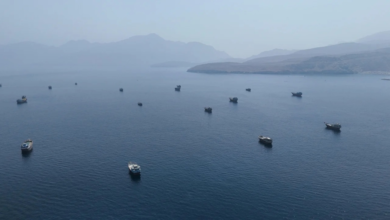
يُعد مضيق هرمز أحد أهم الممرات المائية وأكثرها حيوية في العالم، حيث يمر عبره نحو خُمس الاستهلاك العالمي من النفط، بالإضافة إلى كميات ضخمة من الغاز الطبيعي المسال. تاريخياً، لطالما كان هذا المضيق نقطة اشتعال جيوسياسية، بدءاً من “حرب الناقلات” في ثمانينيات القرن الماضي خلال الحرب العراقية الإيرانية، وصولاً إلى التوترات المتكررة في العقد الأخير. إن أي تهديد بإغلاق هذا الشريان الحيوي يثير الذعر في الأسواق العالمية، خاصة بالنسبة للدول الآسيوية الكبرى مثل الصين واليابان وكوريا الجنوبية والهند، فضلاً عن سنغافورة التي تعتبر مركزاً عالمياً رئيسياً لتكرير النفط وتعتمد بشكل شبه كلي على واردات الخام من منطقة الخليج العربي.
تداعيات الأزمة وارتفاع أسعار الطاقة عالمياً
منذ اندلاع شرارة التصعيد الأخير المتمثل في الهجوم الأمريكي الإسرائيلي على إيران، سارعت طهران للرد عبر استهداف مصالح في المنطقة والتلويح بإغلاق مضيق هرمز بشكل شبه تام أمام صادرات الطاقة الخليجية. هذا التطور الخطير أدى فوراً إلى قفزة حادة وغير مسبوقة في أسعار النفط والغاز في الأسواق العالمية، مما يهدد بموجة تضخم جديدة قد تضرب الاقتصادات الكبرى والناشئة على حد سواء وتؤثر على سلاسل الإمداد.
التهديدات المتبادلة ومحاولات كبح الأسعار
في سياق متصل، صعدت إيران من لهجتها مهددة بإغلاق المضيق بالكامل، وذلك رداً على تحذيرات شديدة اللهجة أطلقها الرئيس الأمريكي السابق دونالد ترمب. وقد نشر ترمب عبر منصته “تروث سوشيال” في وقت متأخر من ليل السبت إنذاراً حاسماً، قائلاً: “إذا لم تفتح إيران مضيق هرمز بالكامل، ومن دون أي تهديد، خلال 48 ساعة من الآن، فإن الولايات المتحدة الأمريكية ستضرب وتدمر تماماً مختلف محطاتها للطاقة، بدءاً بأكبرها”.
وفي محاولة أمريكية عاجلة لكبح جماح الارتفاع الجنوني في أسعار النفط، سمحت واشنطن يوم الجمعة ببيع وتسليم النفط الإيراني ومشتقاته المخزنة على متن الناقلات البحرية لمدة شهر واحد. ومع ذلك، جاء الرد من طهران ليؤكد عدم امتلاكها لأي فائض من النفط الخام في عرض البحر، مما يعقد من جهود تهدئة الأسواق ويضع الاقتصاد العالمي أمام سيناريوهات غامضة ومقلقة في الأيام المقبلة. إن استمرار هذه الأزمة دون حلول دبلوماسية سريعة قد يعيد تشكيل خارطة تحالفات الطاقة العالمية ويجبر الدول المستوردة على البحث عن بدائل مكلفة وصعبة.