
تصاعد التوتر بين إيران وأمريكا
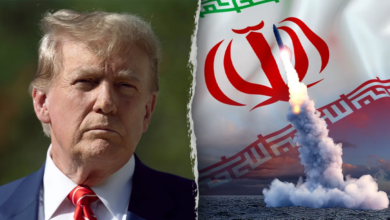
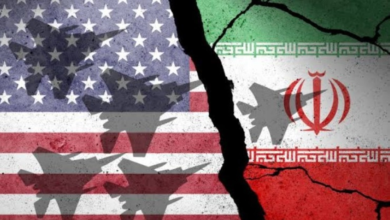
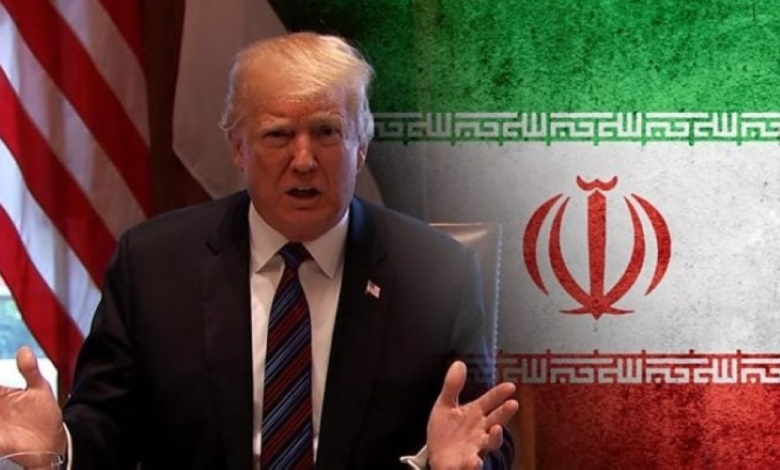
تصاعدت حدة التوترات السياسية والعسكرية بين الولايات المتحدة الأمريكية والجمهورية الإسلامية الإيرانية بشكل غير مسبوق، وذلك في أعقاب التصريحات النارية المتبادلة بين الطرفين. وفي أحدث تطورات هذا المشهد المعقد، أعلنت القيادة العسكرية المركزية الإيرانية رفضها القاطع للتهديدات التي أطلقها الرئيس الأمريكي دونالد ترامب، والتي تضمنت مهلة زمنية صارمة مدتها 48 ساعة.
تفاصيل مهلة ترامب والتهديد بتدمير البنية التحتية
وكان الرئيس الأمريكي دونالد ترامب قد وجه تحذيراً شديد اللهجة إلى طهران، مهدداً بتدمير البنى التحتية الحيوية ومحطات توليد الطاقة والجسور في البلاد إذا لم يتم التوصل إلى اتفاق يضع حداً للنزاع القائم. وتركزت مطالب ترامب بشكل أساسي على ضرورة فتح مضيق هرمز الاستراتيجي أمام حركة الملاحة الدولية خلال 48 ساعة، محذراً القيادة الإيرانية من مواجهة “الجحيم” وفتح أبوابه عليهم في حال عدم الامتثال لهذه المطالب، قائلاً: “إما فتح المضيق خلال 48 ساعة أو مواجهة الجحيم”.
الرد الإيراني الحازم
وفي رد سريع وحازم على هذه التصريحات، أصدر قائد مقر خاتم الأنبياء المركزي في إيران، اللواء علي عبد اللهي علي آبادي، بياناً رسمياً وصف فيه تهديدات ترامب بأنها تعكس “تصرفاً عاجزاً ومتوتراً وغير متزن وغبي”. وأكدت القيادة العسكرية الإيرانية استعدادها التام لمواجهة أي تصعيد عسكري محتمل، مشددة على أن لغة التهديد والوعيد لن تثني طهران عن حماية مصالحها القومية واستراتيجيتها في المنطقة.
السياق التاريخي للأزمة
تأتي هذه التطورات في سياق تاريخي طويل من العداء والتوتر بين واشنطن وطهران. فقد تبنت الإدارات الأمريكية المتعاقبة، وخاصة خلال فترات التوتر القصوى، سياسات تهدف إلى تحجيم النفوذ الإيراني، والتي شملت فرض عقوبات اقتصادية خانقة استهدفت قطاعات النفط والمصارف الإيرانية. ودائماً ما كانت طهران تستخدم ورقة مضيق هرمز كأداة ضغط مضادة في مواجهة العقوبات والتهديدات العسكرية.
الأهمية الاستراتيجية لمضيق هرمز والتأثير المتوقع
تكتسب أزمة مضيق هرمز أهمية بالغة على الصعيدين الإقليمي والدولي. يُعد المضيق أحد أهم الممرات المائية الاستراتيجية في العالم، حيث يمر عبره حوالي خُمس استهلاك العالم من النفط الخام. وأي إغلاق أو تعطيل لحركة الملاحة في هذا المضيق سيؤدي حتماً إلى أزمة طاقة عالمية، وارتفاع جنوني في أسعار النفط، مما يهدد استقرار الاقتصاد العالمي بأسره.
على الصعيد الإقليمي، تثير هذه التهديدات المتبادلة مخاوف عميقة لدى دول الجوار من اندلاع نزاع عسكري قد يمتد ليشمل المنطقة بأكملها ويؤثر على أمن الملاحة في الخليج العربي. أما دولياً، فإن المجتمع الدولي يراقب بقلق بالغ هذه التطورات، وسط دعوات مستمرة لضبط النفس وتجنب الانزلاق نحو مواجهة عسكرية مفتوحة قد تجر الشرق الأوسط إلى حرب مدمرة.