
A firm diplomatic escalation: Argentina expels the Iranian chargé d'affaires
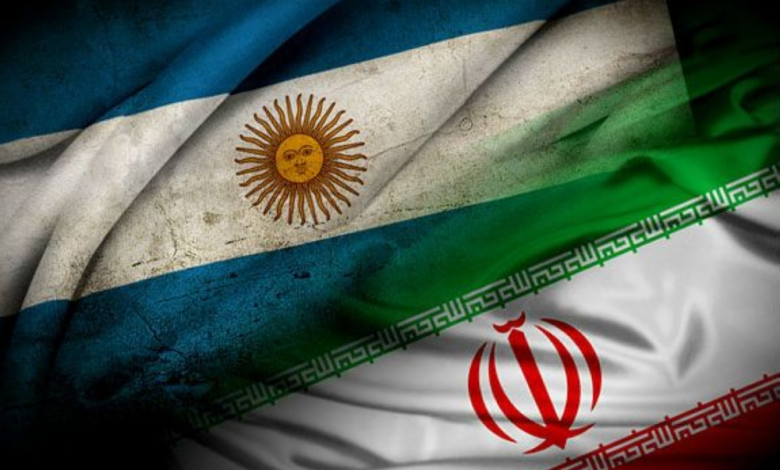
In a move reflecting escalating diplomatic tensions between Buenos Aires and Tehran, the Argentine government has officially declared Iran’s chargé d’affaires and advisor, Mohsen Soltani Tehrani, persona non grata. The Argentine Foreign Ministry issued a strict order for the Iranian diplomat to leave Argentina within 48 hours. This decisive action comes as part of a series of measures taken by the current Argentine administration to reshape its foreign policy and international stance toward Tehran.
Reasons for the expulsion and Argentina's response to Tehran
The Argentine Ministry of Foreign Affairs explained in its official statement that this firm measure was a direct response to a statement issued by the Iranian Ministry of Foreign Affairs. Buenos Aires described the Iranian statement as containing “false, offensive, and baseless accusations” against the Republic of Argentina and its sovereign authorities. The Argentine government considered these statements to constitute unacceptable interference and a breach of diplomatic norms, necessitating a firm and swift response to preserve the country’s sovereignty and dignity on the international stage.
Designating the Iranian Revolutionary Guard as a terrorist organization
The decision to expel the Iranian diplomat was not an isolated incident, but rather the culmination of a preceding escalation. Just two days prior, Argentina made the historic decision to designate the Iranian Revolutionary Guard Corps (IRGC) as a terrorist organization. This designation reflects a growing consensus between Argentina and Western countries that consider the IRGC an instrument of instability in the Middle East and the world. This designation provoked Tehran's ire, leading to a media and diplomatic spat that culminated in the expulsion of its representative in Buenos Aires.
Historical background: Unhealed wounds between Argentina and Iran
To understand the deep roots of this tension, one must go back to the 1990s, a decade marked by bloody events that left an indelible mark on the Argentine memory. Argentina accuses Iran and the Lebanese group Hezbollah of being behind two horrific terrorist attacks in Buenos Aires. The first attack targeted the Israeli embassy in 1992, while the second, and more deadly, targeted the headquarters of the Argentine Jewish Mutual Association (AMIA) in 1994, killing 85 people and injuring hundreds. Despite Iran's persistent denials, the Argentine judiciary issued international arrest warrants (Interpol) for senior Iranian officials, and this issue remained a major obstacle to any genuine normalization of relations between the two countries for decades.
Expected impact and shifts in foreign policy
Domestically, this decision demonstrates the commitment of the new Argentine administration under President Javier Mauricio Macri to its promises of a more assertive foreign policy and a distancing from the axis that includes countries like Iran. Regionally, this stance highlights a clear division in Latin America, where Argentina is strengthening its alliance with the United States and Israel, in stark contrast to other Latin American countries that maintain close ties with Tehran.
Internationally, Argentina's stance represents support for global efforts to isolate Iran politically and places additional pressure on Tehran at a time when it faces complex challenges. Expelling the chargé d'affaires and designating the Islamic Revolutionary Guard Corps as a terrorist organization sends a clear message that Argentina will no longer tolerate diplomatic transgressions and is prepared to take bold steps to protect its national security and strategic interests.