Trump and Iran: Between threats of a "small clash" and calls for a smart deal

Trump's statements about a possible confrontation with Iran
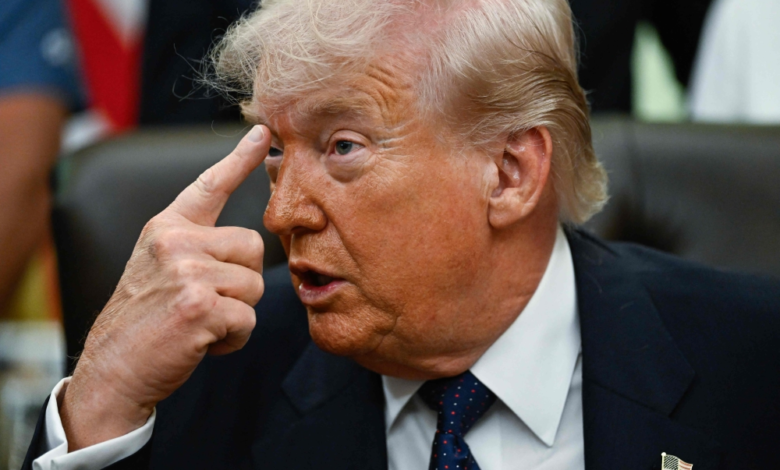
Amid escalating tensions between Washington and Tehran, former US President Donald Trump described any potential military confrontation with Iran as a “small skirmish,” while simultaneously asserting that the Iranian leadership must make a “smart choice” and avoid escalation by negotiating a new agreement. Trump made these remarks during a sporting event at the White House, telling reporters, “We’re in a small skirmish militarily. I say ‘skirmish’ because Iran doesn’t stand a chance.”.
Context of tension: From the nuclear agreement to the policy of “maximum pressure”
The roots of the current crisis go back to the Trump administration’s decision in May 2018 to unilaterally withdraw from the Iran nuclear deal (Joint Comprehensive Plan of Action – JCPOA) signed in 2015. Following the withdrawal, Washington reimposed harsh economic sanctions on Tehran as part of a strategy known as the “maximum pressure” policy, aimed at forcing Iran to return to the negotiating table to reach a broader agreement that includes its ballistic missile program and its regional influence.
Escalation on the ground in the Gulf region
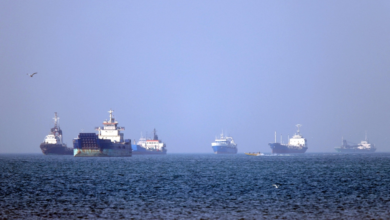
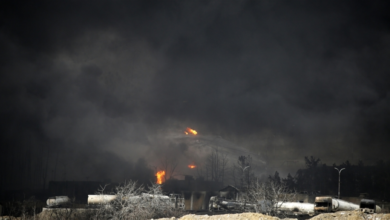
Trump’s remarks were preceded by a series of dangerous incidents in the Gulf region, raising global concerns about a potential military confrontation. These incidents included mysterious attacks on oil tankers in the Gulf of Oman, which the United States blamed on Iran. Tensions reached a peak when Iran shot down a sophisticated US drone, claiming it had violated its airspace—a claim Washington denied. Trump later revealed that he had called off a retaliatory military strike against Iranian targets at the last minute to avoid casualties.
Regional and international importance and impacts
These developments had far-reaching repercussions both regionally and internationally. Regionally, the crisis alarmed the Gulf Arab states, which feared that their territories and vital waterways could become battlegrounds. Internationally, the US stance strained relations with its European allies (Britain, France, and Germany), who had strived to preserve the nuclear agreement. The uncertainty also led to fluctuations in global oil prices, given the strategic importance of the Strait of Hormuz, through which a significant portion of the world's energy supply passes. In this context, Trump urged Iran to make a "smart choice," stating, "They should do something smart, because we don't want to go in and kill people, we honestly don't." His message, a blend of military threats and calls for diplomacy on his own terms, kept the region and the world on tenterhooks.