
Introduction: A new crisis hits agriculture in Yemen
faces Yemen's food security unprecedented challenges that extend beyond the repercussions of the years-long armed conflict to a silent but far more insidious threat: the proliferation of deadly pesticides marketed under attractive and misleading names. These toxic chemicals, which enter the country illegally, pose a grave danger to human health and the environment, and are destroying what remains of the local agricultural sector upon which millions of Yemenis depend for their daily sustenance.
General context and historical background of the event
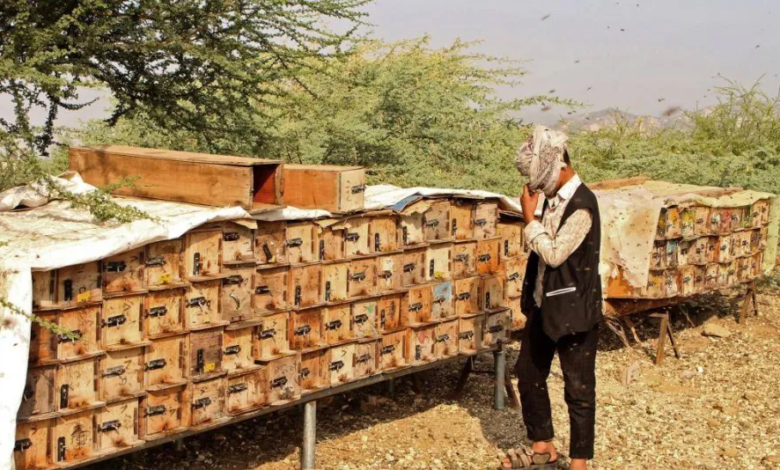
Historically, Yemen has relied heavily on agriculture, with its terraced fields and fertile valleys serving as a breadbasket for the local population. However, with the outbreak of armed conflict in late 2014, many state institutions collapsed, including the regulatory bodies responsible for inspecting and overseeing the import of agricultural materials. This institutional vacuum and the absence of strict oversight opened the floodgates for smuggling networks and black market traders to inundate the Yemeni market with tons of internationally banned pesticides. These traders exploit the desperate need of Yemeni farmers to increase their production under dire economic conditions, promoting these toxins under attractive brand names that suggest rapid effectiveness and high yields, completely disregarding the resulting health and environmental catastrophe.
Methods of misleading and deceiving farmers
Pesticide smugglers employ deceptive marketing strategies, using appealing, local names for pesticide containers. This facilitates their distribution among farmers, who often lack sufficient agricultural awareness and guidance. Farmers are persuaded that these products are a magic solution for eliminating agricultural pests and doubling crop yields in record time. Consequently, these highly toxic chemicals are used indiscriminately and excessively, particularly in the cultivation of khat, which consumes enormous quantities of pesticides, as well as on vegetable and fruit crops that directly reach consumers' tables.
Local impact: Environmental destruction and disease outbreaks
Locally, the impact is catastrophic by all measures. Environmentally, these pesticides degrade soil fertility and poison groundwater, threatening the future sustainability of agriculture and destroying biodiversity. From a health perspective, reliable medical reports indicate a frightening rise in chronic and serious diseases in Yemen, most notably cancer, kidney failure, and birth defects. Doctors and experts directly link this significant increase in illnesses to the continuous accumulation of toxic pesticide residues in agricultural products consumed daily by Yemenis.
Regional and international importance and influence
The impact of this crisis is not limited to Yemen alone; it extends to regional and international concerns. On the one hand, the destruction of the local agricultural sector exacerbates the humanitarian crisis in Yemen, which the United Nations classifies as one of the worst in the world. This increases the country's dependence on international food aid and places an additional burden on relief organizations and donor countries. On the other hand, the lack of oversight regarding the quality of agricultural products prevents Yemen from exporting any surplus to neighboring countries, where regional states impose strict food safety standards. This deprives the collapsing Yemeni economy of a vital source of hard currency.
Summary: Urgent need for intervention
Protecting Yemen’s food security from the threat of deadly pesticides requires urgent and comprehensive intervention. The international community and relevant agricultural and health organizations must support efforts to rebuild the regulatory capacity of Yemeni institutions and provide modern inspection equipment at ports of entry. Large-scale awareness campaigns targeting farmers must also be launched to inform them of the dangers of these chemicals and encourage them to use safe alternatives and sustainable agricultural practices. Saving agriculture in Yemen is not just an economic issue; it is a matter of life and death for millions of people who deserve access to safe and healthy food.