Makkah Environment: The Year of Artificial Intelligence 2026 Enhances Digital Transformation

Introduction: A strategic step towards the digital future
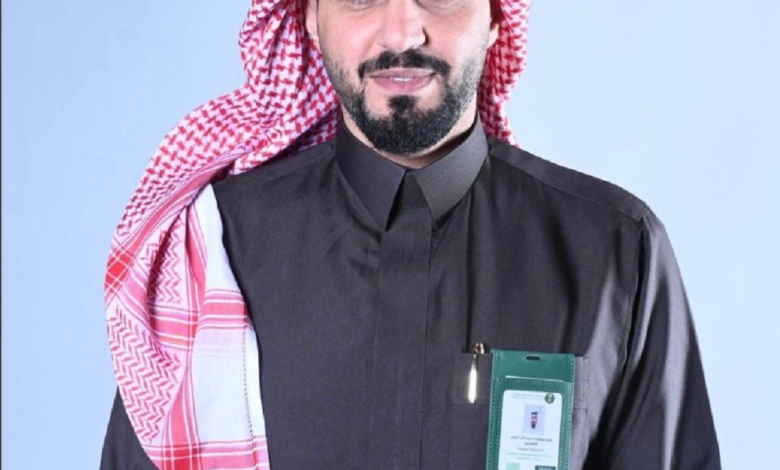
Engineer Waleed bin Ibrahim Al-Dughaither, Director General of the Ministry of Environment, Water and Agriculture branch in the Makkah region, affirmed that the Kingdom of Saudi Arabia's designation of 2026 as the "Year of Artificial Intelligence" represents a profound strategic direction aimed at bolstering the digital transformation and supporting innovation across various vital sectors. He explained that this historic announcement is not a coincidence, but rather the culmination of the Kingdom's ongoing efforts to adopt the latest global technologies, which directly contributes to enhancing the efficiency of government performance and improving the quality of services provided to citizens and residents, ultimately leading to the achievement of the ambitious goals of Saudi Vision 2030.
General context: Vision 2030 and the leadership of artificial intelligence
The Kingdom of Saudi Arabia places great importance on the data and artificial intelligence sector, having established the Saudi Data and Artificial Intelligence Authority (SDAIA) to lead this strategic direction. Designating 2026 as the Year of Artificial Intelligence underscores the wise leadership's commitment to making the Kingdom a global hub for advanced technologies. This direction positively impacts all ministries, most notably the Ministry of Environment, Water and Agriculture, which strives to integrate these technologies into its daily operations to ensure sustainability and achieve food and water security.
Harnessing smart technologies to protect natural resources
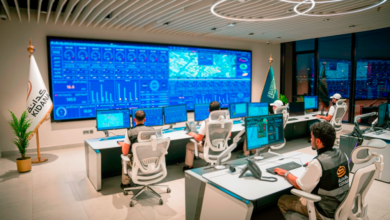
In a related context, Al-Dughaither pointed out that the Ministry is keeping pace with this rapid digital transformation by harnessing artificial intelligence technologies to protect and manage natural resources with high efficiency. This was demonstrated through the launch of a suite of smart and innovative programs, such as Hayat, Saqr, and Hafiz. The Ministry did not stop there, but also launched pioneering digital initiatives that included specialized platforms for monitoring water sources, tracking animal health, and closely supervising slaughterhouses and public markets. In addition, a specialized center was established to develop national capabilities and train Saudi personnel, thus enhancing the efficiency of environmental, water, and agricultural work alike.
Expected impact: Environmental sustainability and inclusive development
At both the local and regional levels, the application of artificial intelligence in the environmental and agricultural sectors is of paramount importance. Locally, it contributes to the rationalization of groundwater consumption, increases agricultural productivity with minimal resources, and improves the quality of life in the Kingdom's cities, particularly in the Makkah region, which is densely populated and receives millions of pilgrims and Umrah performers annually. Regionally and internationally, this trend reinforces the Kingdom's position as a leading nation in environmental protection initiatives, aligning with the objectives of the Saudi Green Initiative and the Middle East Green Initiative.
Conclusion: The environmental sector is the biggest beneficiary
Engineer Al-Dughaither concluded his statement by emphasizing that the environment, water, and agriculture sector is among the government sectors that stand to benefit most from the artificial intelligence revolution. These technologies play a pivotal role in developing early environmental monitoring systems, intelligently managing water resources, and enhancing agricultural sustainability to address climate challenges. He stressed that the Ministry's adoption of smart solutions and the development of young national talent to improve performance efficiency will make the declaration of 2026 as the Year of Artificial Intelligence a golden opportunity to strengthen strategic partnerships, drive innovation, and achieve comprehensive and sustainable development for future generations.