Medical breakthrough: Al-Diriyah Hospital saves a child with a delicate cerebral catheterization

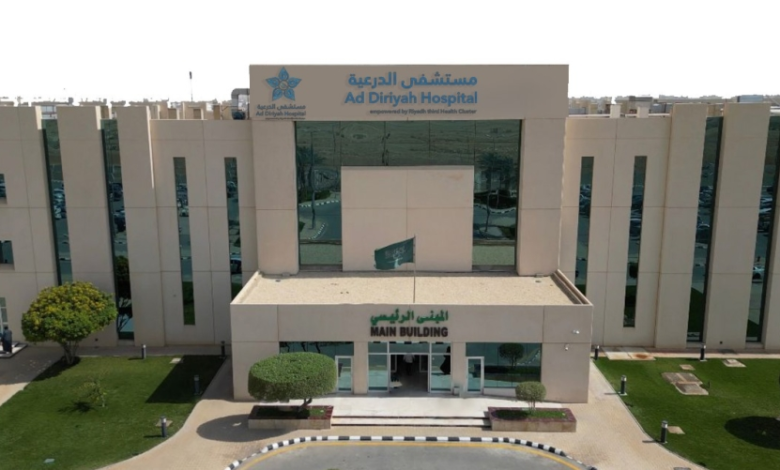
In a medical achievement reflecting the significant advancements in the Saudi healthcare sector, a specialized medical team at Al-Diriyah Hospital, part of the Third Riyadh Health Cluster, successfully saved the life of a 15-year-old boy who suffered a severe stroke that nearly proved fatal or left permanent neurological damage. This achievement was accomplished through a highly successful interventional neuro-catheterization procedure.
Medical details and speed of response
The story began when the child was admitted to Dawadmi General Hospital in critical condition. Initial clinical and radiological examinations revealed a complete blockage of the middle cerebral artery. This severe obstruction caused sudden and acute symptoms, including extreme weakness on the right side of the body, loss of sensation, and significant difficulty speaking. Given the severity of the condition and the globally recognized principle of "time is of the essence" in stroke treatment, the case necessitated urgent medical coordination to transfer the child to Diriyah Hospital, which is equipped with the latest technologies for handling such complex cases.
Cerebral catheterization: An advanced technique that saves lives
Upon the patient's arrival at Al-Diriyah Hospital, the specialized medical team immediately began a delicate procedure to remove the blood clot. The interventional neurocatheterization technique was used, in which the catheter was inserted through the right femoral artery and guided to the brain. This technique is among the latest advancements in modern medicine, eliminating the need for open surgery and significantly reducing its complications. The swift surgical intervention and precise access to the site of the blockage contributed to restoring normal blood flow to the brain, effectively limiting further damage to brain tissue.
Strokes in children: a medical and historical context
Historically, strokes have been known to primarily affect the elderly, but their occurrence in children and adolescents is a rare and very serious medical condition. These cases require extensive expertise and highly precise intervention due to the fragility of blood vessels at this age. The success of such procedures reflects the significant progress made by local hospitals in providing specialized care that previously required travel to advanced international medical centers.
A quantum leap in healthcare
In this context, Dr. Ahmed Al-Shanbari, head of the neurology track at the Third Riyadh Health Cluster, explained that the patient showed remarkable and rapid improvement after the procedure, regaining consciousness normally and continuing his delicate recovery journey. Dr. Al-Shanbari emphasized that the success of these advanced interventions represents a true "qualitative leap" in the management of critical strokes, attributing this to the high level of preparedness of the medical staff and the effective institutional integration among the cluster's hospitals.
Vision 2030 and the Health Sector Transformation Program
This achievement underscores the commitment of the Third Riyadh Health Cluster to supporting national medical talent and providing the latest medical equipment. Offering such advanced specialized services directly contributes to improving the quality of life for citizens and residents, which aligns perfectly with the objectives of the Health Sector Transformation Program, a key component of Saudi Arabia's Vision 2030, aimed at facilitating access to and developing comprehensive, world-class healthcare services.