
في تطور لافت يزيد من حدة التوترات الجيوسياسية في منطقة الشرق الأوسط، ألمح الرئيس الأمريكي دونالد ترامب إلى تمديد المهلة الزمنية الممنوحة لإيران للتوصل إلى اتفاق حاسم بشأن إعادة فتح مضيق هرمز الاستراتيجي. جاء ذلك عبر منشور غامض ومقتضب نشره ترامب، مما يضع المنطقة بأسرها على صفيح ساخن وسط ترقب دولي لما ستؤول إليه المفاوضات الحالية.
تفاصيل المهلة الأمريكية والتهديدات الموجهة لطهران
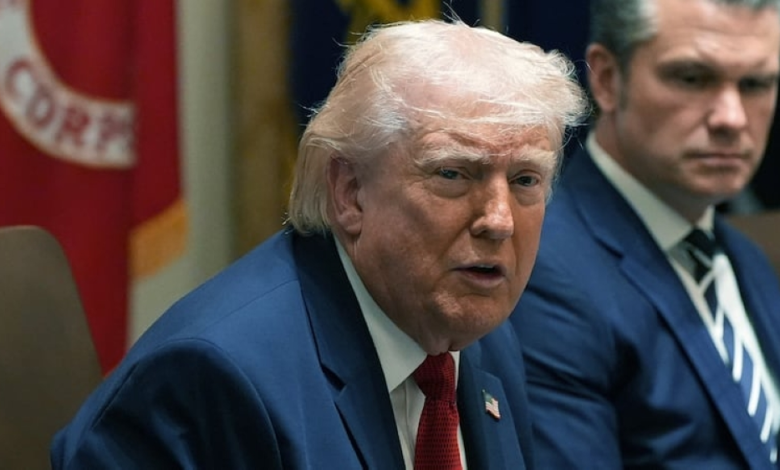
نشر الرئيس الأمريكي رسالة مقتضبة عبر حساباته الرسمية جاء فيها: “الثلاثاء، الساعة 8:00 مساءً بتوقيت الساحل الشرقي!”. وتمثل هذه المهلة الجديدة، التي توافق منتصف ليل الثلاثاء-الأربعاء بتوقيت غرينتش، تأجيلاً لمدة يوم واحد للإنذار الشديد الذي وجهته واشنطن إلى طهران. وتتضمن التهديدات الأمريكية وعيداً صريحاً بتنفيذ قصف مدمر يستهدف البنية التحتية الحيوية في إيران، بما في ذلك محطات توليد الكهرباء والجسور الرئيسية، في حال فشل الأطراف في التوصل إلى اتفاق يضمن حرية الملاحة.
وعلى الرغم من لغة التصعيد العسكري، ترك ترامب باباً مفتوحاً للحلول الدبلوماسية، حيث صرح لمراسل قناة “فوكس نيوز” الأمريكية قائلاً: “أعتقد أن هناك فرصة جيدة غداً، فهم يتفاوضون الآن”، مما يشير إلى وجود قنوات اتصال خلفية تعمل على نزع فتيل الأزمة وتجنب مواجهة عسكرية شاملة.
الأهمية الاستراتيجية لمضيق هرمز
لفهم حجم الأزمة الحالية، يجب النظر إلى الأهمية الجيوسياسية والاقتصادية لمضيق هرمز. يُعد هذا المضيق الممر المائي الأهم عالمياً لتجارة الطاقة، حيث يمر عبره نحو خُمس إنتاج النفط العالمي المستهلك يومياً، بالإضافة إلى كميات ضخمة من الغاز الطبيعي المسال. أي إغلاق أو تعطيل لحركة الملاحة في هذا المضيق يعني أزمة طاقة عالمية فورية، مما سيؤدي إلى ارتفاع جنوني في أسعار المحروقات وتأثيرات كارثية على الاقتصاد العالمي.
السياق التاريخي للتوترات الأمريكية الإيرانية
تأتي هذه التطورات امتداداً لتاريخ طويل من التوترات بين الولايات المتحدة وإيران، خاصة فيما يتعلق بأمن الخليج العربي. منذ تبني واشنطن لسياسة “الضغوط القصوى”، استخدمت طهران مراراً ورقة التهديد بإغلاق مضيق هرمز أو تعطيل الملاحة فيه كرد فعل على العقوبات الاقتصادية الخانقة التي تستهدف صادراتها النفطية. في المقابل، عززت الولايات المتحدة وحلفاؤها تواجدهم العسكري في المنطقة لضمان أمن الملاحة البحرية وحماية خطوط إمداد الطاقة.
التداعيات المتوقعة للحدث إقليمياً ودولياً
يحمل هذا الحدث تداعيات بالغة الخطورة على عدة أصعدة. محلياً، إذا تم تنفيذ التهديدات الأمريكية، فإن تدمير محطات الكهرباء والجسور سيؤدي إلى شلل تام في الحياة المدنية والاقتصادية داخل إيران، التي تعاني أساساً من أزمات اقتصادية متراكمة. إقليمياً، قد تشعل أي ضربة عسكرية شرارة صراع أوسع يهدد أمن الدول المجاورة واستقرارها. أما على الصعيد الدولي، فإن مجرد التهديد بإغلاق مضيق هرمز يدفع أسواق المال والطاقة نحو حالة من الذعر، مما يضع الاقتصاد العالمي أمام اختبار صعب.
في الختام، تتجه أنظار العالم بأسره نحو الساعات القليلة القادمة، بانتظار ما ستسفر عنه المفاوضات الجارية. فإما أن تنجح الدبلوماسية في اللحظات الأخيرة في تجنيب المنطقة ويلات الحرب، أو أن تنزلق الأمور نحو تصعيد عسكري قد يغير خريطة التحالفات والاقتصاد في الشرق الأوسط والعالم.