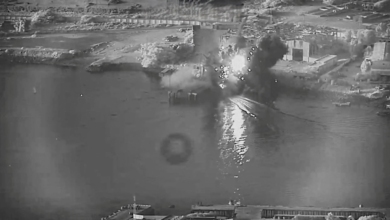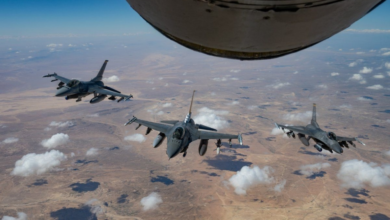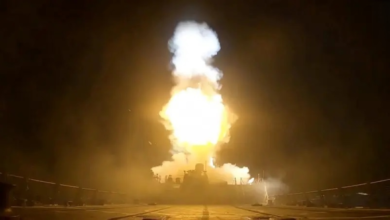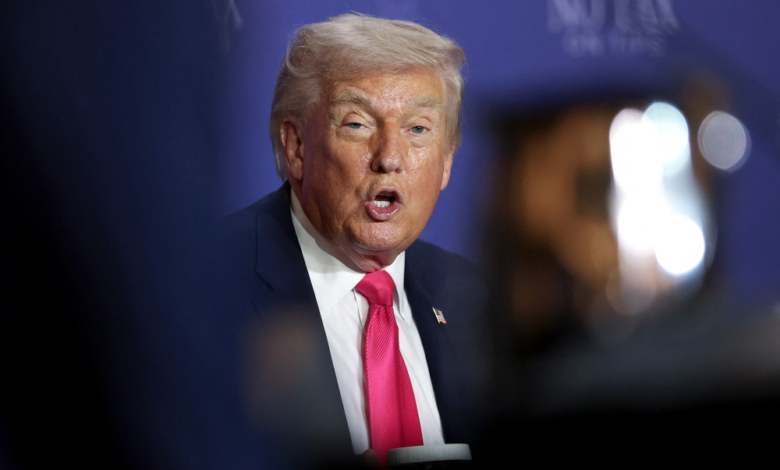

اعتبر الرئيس الأمريكي السابق، دونالد ترامب، أن المواجهة أو الحرب الأمريكية ضد إيران تمثل “مجرد انعطافة بسيطة” في مسار إدارته، متوقعاً أن النصر بات وشيكاً. تأتي هذه التصريحات في وقت حساس، حيث تظهر استطلاعات الرأي الحديثة تراجعاً في شعبية هذه المواجهة العسكرية لدى الشعب الأمريكي، نظراً لتداعياتها الاقتصادية المباشرة.
السياق التاريخي لسياسة “الضغوط القصوى”
لفهم طبيعة التصريحات الحالية، يجب العودة إلى الخلفية التاريخية للعلاقات بين واشنطن وطهران خلال فترة ولاية ترامب الأولى. فقد اعتمدت إدارته سياسة “الضغوط القصوى”، والتي تجلت أبرز محطاتها في الانسحاب الأحادي من الاتفاق النووي الإيراني في عام 2018، وفرض عقوبات اقتصادية قاسية. هذا التصعيد التاريخي وضع الأساس للتوترات الحالية، حيث تسعى الولايات المتحدة للحد من النفوذ الإقليمي لإيران ومنعها من تطوير أسلحة نووية، وهو ما ينعكس بوضوح في الخطاب السياسي الحالي لترامب.
القدرات النووية الإيرانية والوعود الاقتصادية
وفي لقاء جماهيري حاشد أُقيم في مدينة لاس فيغاس بولاية نيفادا، والذي خُصص للترويج لقانون “إلغاء الضرائب على الإكراميات” للعمال – وهو قانون أُقر ضمن الإصلاح الضريبي الرئيسي العام الماضي – تفاخر ترامب (79 عاماً) بإنجازاته الاقتصادية منذ عودته المفترضة إلى منصبه في عام 2025. وقال ترامب أمام حشد من أنصاره: “لقد حققنا أفضل اقتصاد في تاريخ بلادنا، رغم الانعطافة البسيطة في إيران الجميلة”. وأضاف مبرراً موقفه الحازم: “لكن كان علينا فعل ذلك، لأنه لولا ذلك، أمور سيئة قد تحصل، أمور سيئة جداً”، في إشارة واضحة إلى تنامي القدرات النووية الإيرانية.
وأكد ترامب بثقة: “نحن على وشك تحقيق النصر”، مضيفاً في مقارنة تاريخية للتدخلات العسكرية الأمريكية: “لقد قضينا 17 عاماً في فيتنام وخمسة أعوام في أفغانستان وأكثر من ذلك بكثير في أماكن مختلفة. أما نحن، فقد قلت إننا لم نمكث هناك سوى شهرين”.
الأهمية الاستراتيجية وتأثير إغلاق مضيق هرمز
لا يمكن التقليل من أهمية أي صراع مع إيران وتأثيره المتوقع على المستويين الإقليمي والدولي. يمثل مضيق هرمز شرياناً حيوياً للاقتصاد العالمي، حيث يمر عبره نحو 20% من استهلاك النفط العالمي يومياً. أي تهديد أو إغلاق لهذا المضيق الاستراتيجي يؤدي فوراً إلى صدمة في أسواق الطاقة العالمية، مما يرفع معدلات التضخم ويؤثر بشكل مباشر على أسعار الوقود.
التكاليف الباهظة وتراجع التأييد الشعبي
على الصعيد المحلي الأمريكي، يبدو أن الناخبين يشعرون بوطأة هذه التوترات. فقد أظهر استطلاع للرأي أجرته مؤسسة “إيبسوس” نهاية الأسبوع الماضي أن 51% من بين أكثر من ألف مشارك يعتقدون أن الحرب مع إيران لم تكن تستحق التكاليف الباهظة المرتبطة بها. وفي المقابل، قال أقل من ربع المشاركين في الاستطلاع، أي حوالي 24% فقط، عكس ذلك.
أزمة أسعار البنزين واستطلاعات الرأي
وفي استطلاع رأي آخر أجرته جامعة “كوينيبياك” ونُشرت نتائجه يوم الأربعاء، تبين أن التداعيات الاقتصادية تلعب دوراً حاسماً في توجيه الرأي العام. فقد أظهرت النتائج أن 65% من الناخبين الأمريكيين يحمّلون ترامب مسؤولية الارتفاع الأخير في أسعار البنزين، والذي جاء كنتيجة مباشرة لإغلاق مضيق هرمز. وأفاد الاستطلاع نفسه بأن 36% فقط من الناخبين راضون عن أداء ترامب في التعامل مع إيران، مقابل 58% أعربوا عن عدم رضاهم.