
Early preparations for the Hajj season
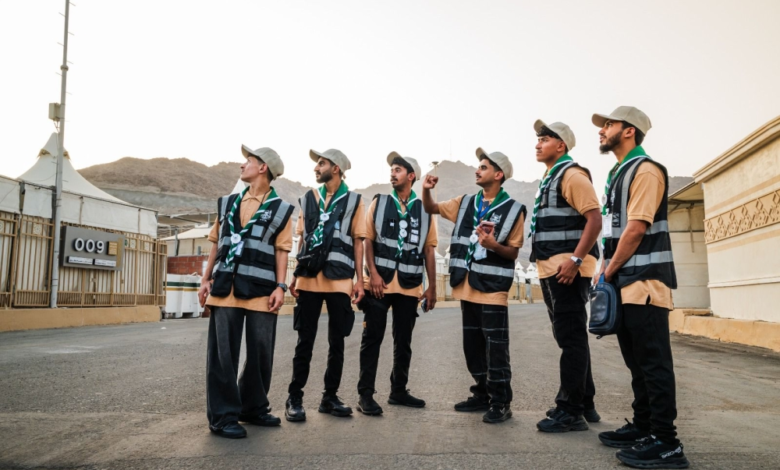
The Saudi Arabian Scouts Association continues its tireless efforts in Mecca and the Holy Sites, where public service camps are conducting intensive field surveys in preparation for the 1447 AH Hajj season. This proactive step is part of the preparatory phases to ensure full readiness for the task of guiding lost pilgrims, with broad and effective participation from young boys, youth, and scout leaders who represent a distinguished example of volunteer work in the Kingdom of Saudi Arabia.
Digital transformation and alternatives to paper maps
In a significant development keeping pace with digital transformation, the association explained that scouting units are deployed in two shifts, morning and evening, across various locations in the holy sites. These patrols aim to monitor routes, identify campsite locations, and update spatial data and guidance points. Perhaps the most notable feature this year is the complete reliance on an integrated technological system, utilizing a smart electronic application that serves as an advanced alternative to traditional paper maps. This transformation directly contributes to enhancing the accuracy of guidance and the speed and ease of reaching targeted sites and campsites, thus increasing the efficiency of guidance and support services during peak days.
The historical context of scouting efforts
Given the overall context and historical background, we find that the Saudi Scouts possess a long and distinguished legacy of serving pilgrims for decades. In the past, field surveys and guiding lost pilgrims relied primarily on printed paper maps, which required considerable human effort and constant manual updating to keep pace with the rapid changes in the geography of the holy sites. With the massive urban and organizational development that Makkah is witnessing, the need has become urgent to transition to digital solutions that provide real-time and interactive updates, reflecting the leadership's commitment to harnessing the latest technologies to serve the Two Holy Mosques.
Local and international impact of new technologies
The significance of this event and its anticipated impact are evident on several levels. Locally, this technological approach aligns with the objectives of Saudi Vision 2030, which emphasizes the importance of comprehensive digital transformation and empowering youth in volunteer and community work. Regionally and internationally, the success of this technological system will positively impact the experience of millions of pilgrims arriving from around the world, ensuring they can perform their rituals with peace of mind and security. This development also reinforces the Kingdom's position as a leading global model in crowd management and the efficient and effective organization of major mass events.
Integrated national system
The Scout Association pointed out that these field and technical efforts are not isolated, but rather part of a comprehensive national system operating with high-level coordination and strategic partnership with all relevant governmental and security agencies. This collaborative effort primarily aims to provide accessible and safe services to pilgrims, while simultaneously highlighting the humanitarian and pioneering role that Saudi Scouts play annually, thus portraying a distinguished image of the nation's youth who dedicate themselves to serving the pilgrims of the Holy House of God.