
رفض دولي قاطع للمقترح الإيراني
في تصعيد جديد يهدد أحد أهم الممرات الملاحية في العالم، أعلنت المنظمة البحرية الدولية (IMO)، التابعة للأمم المتحدة، رفضها القاطع لأي محاولة إيرانية لفرض رسوم عبور على السفن المارة عبر مضيق هرمز. جاء هذا الموقف الحاسم على لسان الأمين العام للمنظمة، أرسينيو دومينغيز، الذي أكد خلال مؤتمر صحفي في لندن أنه “لا يوجد أي أساس قانوني لفرض ضرائب أو رسوم جمركية أو أي مقابل مالي على المضائق المستخدمة للملاحة الدولية”. وشدد دومينغيز على أن مبدأ حرية الملاحة هو حجر الزاوية في القانون البحري الدولي، وأن المنظمة ترفض أي خطوات أحادية من شأنها تقويض هذا المبدأ.
خلفية التحرك الإيراني وأبعاده
يأتي الرفض الأممي ردًا على إعلان مسؤولين إيرانيين عن دراسة مشروع قانون يهدف إلى منح القوات المسلحة الإيرانية، وتحديدًا الحرس الثوري، صلاحيات كاملة لإدارة وتنظيم حركة الملاحة في مضيق هرمز. ووفقًا لتصريحات إبراهيم عزيزي، رئيس لجنة الأمن القومي في مجلس الشورى الإيراني، فإن مشروع القانون المقترح يهدف إلى “ضمان السيطرة الكاملة على حركة الملاحة”، ويتضمن بنودًا تسمح بفرض رسوم عبور بالعملة المحلية (الريال الإيراني) ومنع مرور ما وصفها بـ”السفن المعادية”. يُنظر إلى هذه الخطوة على أنها محاولة من طهران لتعزيز نفوذها في الممر المائي الاستراتيجي واستخدامه كورقة ضغط جيوسياسية واقتصادية في مواجهة العقوبات الدولية والتوترات المستمرة مع القوى الغربية.
الأهمية الاستراتيجية لمضيق هرمز
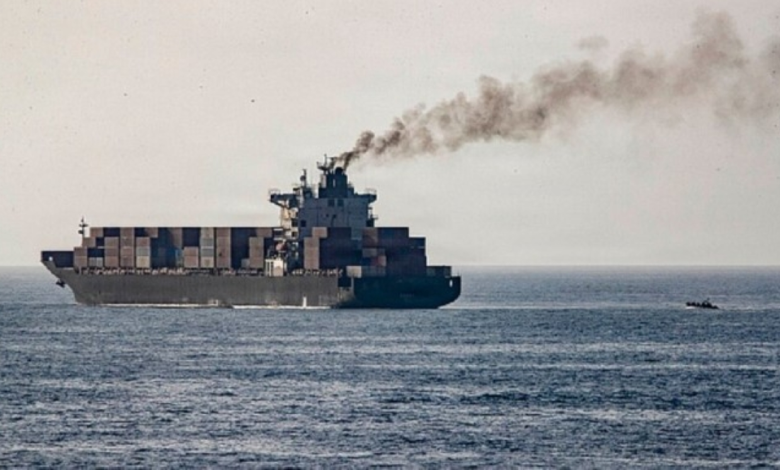
يكتسب مضيق هرمز أهميته من كونه شريان الطاقة العالمي الأبرز، حيث يمر عبره ما يقارب خُمس استهلاك النفط العالمي، بالإضافة إلى كميات ضخمة من الغاز الطبيعي المسال (LNG)، خاصة من دول الخليج العربي مثل السعودية والإمارات وقطر والكويت والعراق. يربط المضيق بين الخليج العربي وخليج عمان، ومنه إلى بحر العرب والمحيط الهندي. أي تعطيل لحركة الملاحة فيه، سواء عبر إغلاقه أو فرض قيود عليه، سيكون له تداعيات كارثية على الاقتصاد العالمي، حيث سيؤدي إلى ارتفاع فوري وحاد في أسعار الطاقة، وزيادة تكاليف الشحن والتأمين، وتعطيل سلاسل الإمداد العالمية.
التأثيرات المتوقعة على الصعيدين الإقليمي والدولي
على الصعيد الإقليمي، يُعد هذا التصعيد مصدر قلق كبير لدول الخليج التي تعتمد بشكل شبه كلي على المضيق لتصدير نفطها وغازها. وقد يؤدي إلى زيادة التوترات العسكرية في المنطقة التي تشهد بالفعل حالة من عدم الاستقرار. أما دوليًا، فإن القوى الكبرى، وعلى رأسها الولايات المتحدة التي تعتبر حرية الملاحة في المياه الدولية خطًا أحمر، سترى في الخطوة الإيرانية تحديًا مباشرًا لمصالحها. وقد يدفع هذا الأمر إلى تعزيز الوجود العسكري البحري الدولي في المنطقة لضمان أمن الممر المائي، مما يرفع من احتمالات الاحتكاك والمواجهة المباشرة. كما أكد دومينغيز أن فرض رسوم قد يعرقل الجهود الإنسانية التي تبذلها المنظمة لإجلاء آلاف البحارة العالقين في المنطقة، مما يضيف بعدًا إنسانيًا خطيرًا للأزمة.