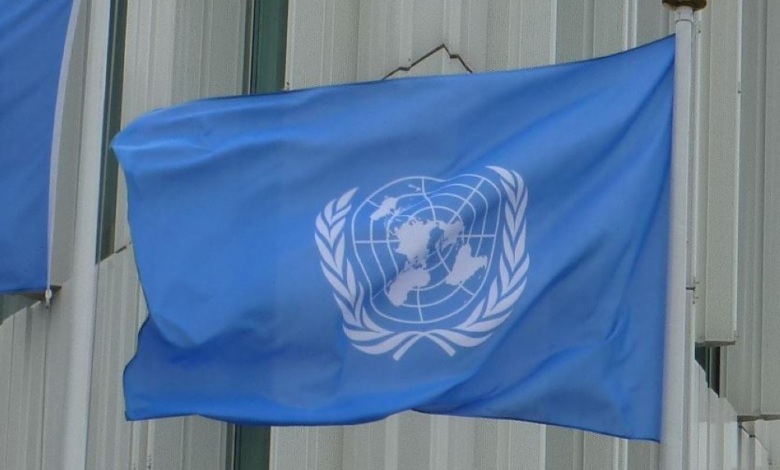

بدء سباق اختيار الأمين العام للأمم المتحدة العاشر
أعلنت الأمم المتحدة رسمياً عن بدء الإجراءات التمهيدية لاختيار الأمين العام للأمم المتحدة العاشر، والذي من المقرر أن يتولى مهام منصبه الرفيع في الأول من يناير عام 2027. يأتي هذا الاستحقاق الدولي الهام خلفاً للأمين العام الحالي، البرتغالي أنطونيو غوتيريش، الذي تنتهي ولايته الثانية والأخيرة في 31 ديسمبر 2026. وتتجه أنظار المجتمع الدولي نحو هذا الحدث البارز نظراً للدور المحوري الذي يلعبه هذا المنصب في الحفاظ على السلم والأمن الدوليين وتنسيق الجهود الإنسانية العالمية.
السياق التاريخي وأهمية المنصب
تأسست الأمم المتحدة عام 1945 عقب الحرب العالمية الثانية لمنع نشوب صراعات مدمرة جديدة. ومنذ ذلك الحين، تعاقب على قيادة المنظمة تسعة أمناء عامين، جميعهم من الرجال، بدءاً من النرويجي تريغفي لي، مروراً بشخصيات بارزة مثل داغ همرشولد وكوفي عنان، وصولاً إلى غوتيريش. يُعد الأمين العام “كبير الموظفين الإداريين” وكبير الدبلوماسيين في العالم. وتتجلى أهمية هذا الحدث في التأثير المباشر للأمين العام على الساحة الدولية؛ فهو يمتلك صلاحية لفت انتباه مجلس الأمن إلى أي مسألة قد تهدد حفظ السلم والأمن الدوليين، ويلعب دور الوسيط المحايد في الأزمات الإقليمية والدولية المعقدة، فضلاً عن قيادة جهود التنمية المستدامة ومواجهة التغير المناخي.
قائمة المرشحين البارزين حتى الآن
أوضحت المنظمة الأممية أنه تم ترشيح أربع شخصيات دولية بارزة حتى الآن لشغل هذا المنصب الحساس، وهم:
- ميشيل باشيليت (تشيلي): الرئيسة السابقة لتشيلي والمفوضة السامية السابقة للأمم المتحدة لحقوق الإنسان.
- رافائيل غروسي (الأرجنتين): المدير العام الحالي للوكالة الدولية للطاقة الذرية، والذي يلعب دوراً بارزاً في إدارة الملفات النووية العالمية.
- ريبيكا غرينسبان (كوستاريكا): الأمينة العامة لمؤتمر الأمم المتحدة للتجارة والتنمية (الأونكتاد).
- ماكي سال (السنغال): الرئيس السنغالي السابق والرئيس السابق للاتحاد الأفريقي.
الجدول الزمني وآلية الاختيار
وفقاً للمادة 97 من ميثاق الأمم المتحدة، يتم تعيين الأمين العام من قبل الجمعية العامة (التي تضم 193 دولة) بناءً على توصية من مجلس الأمن. يبدأ المسار الفعلي في نوفمبر 2025 بتوجيه دعوات للدول الأعضاء لتقديم مرشحيها. وحددت المنظمة الأول من أبريل 2026 كموعد نهائي لتقديم الترشيحات. بعد ذلك، سيخضع المرشحون لجلسات حوار غير رسمية في الجمعية العامة يومي 21 و22 أبريل 2026.
الخطوة الحاسمة تتمثل في عقد مجلس الأمن جلسات مغلقة في أواخر يوليو 2026 لتقييم المرشحين. يحتاج المرشح الفائز إلى تأييد الأغلبية داخل المجلس، والأهم من ذلك، عدم استخدام حق النقض (الفيتو) ضده من قبل أي من الدول الخمس دائمة العضوية (الولايات المتحدة، روسيا، الصين، فرنسا، والمملكة المتحدة). وبعد التوافق، يتم الاعتماد الرسمي من الجمعية العامة في وقت لاحق من نفس العام.
قواعد وأعراف غير مكتوبة
تشترط آلية العمل أن يتم ترشيح الشخصية من قبل دولة واحدة على الأقل، ولا يُسمح بالترشح الذاتي. ومن بين القواعد العرفية غير الرسمية، استبعاد مواطني الدول الخمس دائمة العضوية من تولي المنصب لضمان الحياد. ورغم عدم وجود سياسة رسمية للتناوب الإقليمي، إلا أن العرف جرى على توزيع المنصب بين القارات. كما تتصاعد حالياً الدعوات الدولية، المدعومة من العديد من الدول ومنظمات المجتمع المدني، لاختيار امرأة لقيادة المنظمة لأول مرة في تاريخها الممتد لثمانية عقود، إلا أن القرار النهائي يبقى مرهوناً بالتوافقات السياسية الكبرى داخل مجلس الأمن.